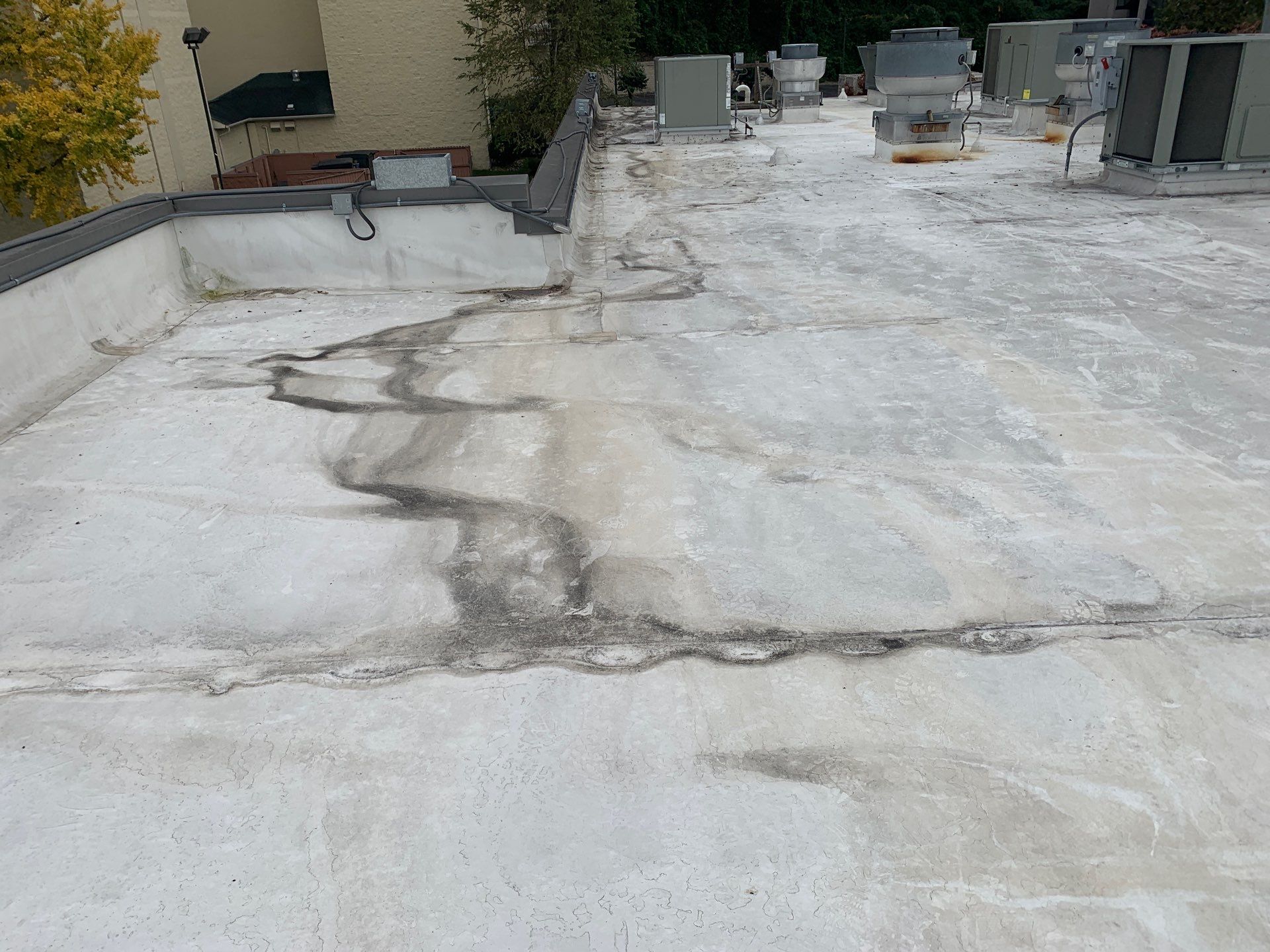
Hurricane Roof Damage Insurance Claims
Named-storm documentation, deductible awareness, and Florida Building Code wind requirements for hurricane-related roof claims.
View scope
Insurance Claims
When a storm or a slow leak turns into a commercial roof insurance claim, the building needs a documented roof file the adjuster can act on — not a sales pitch.
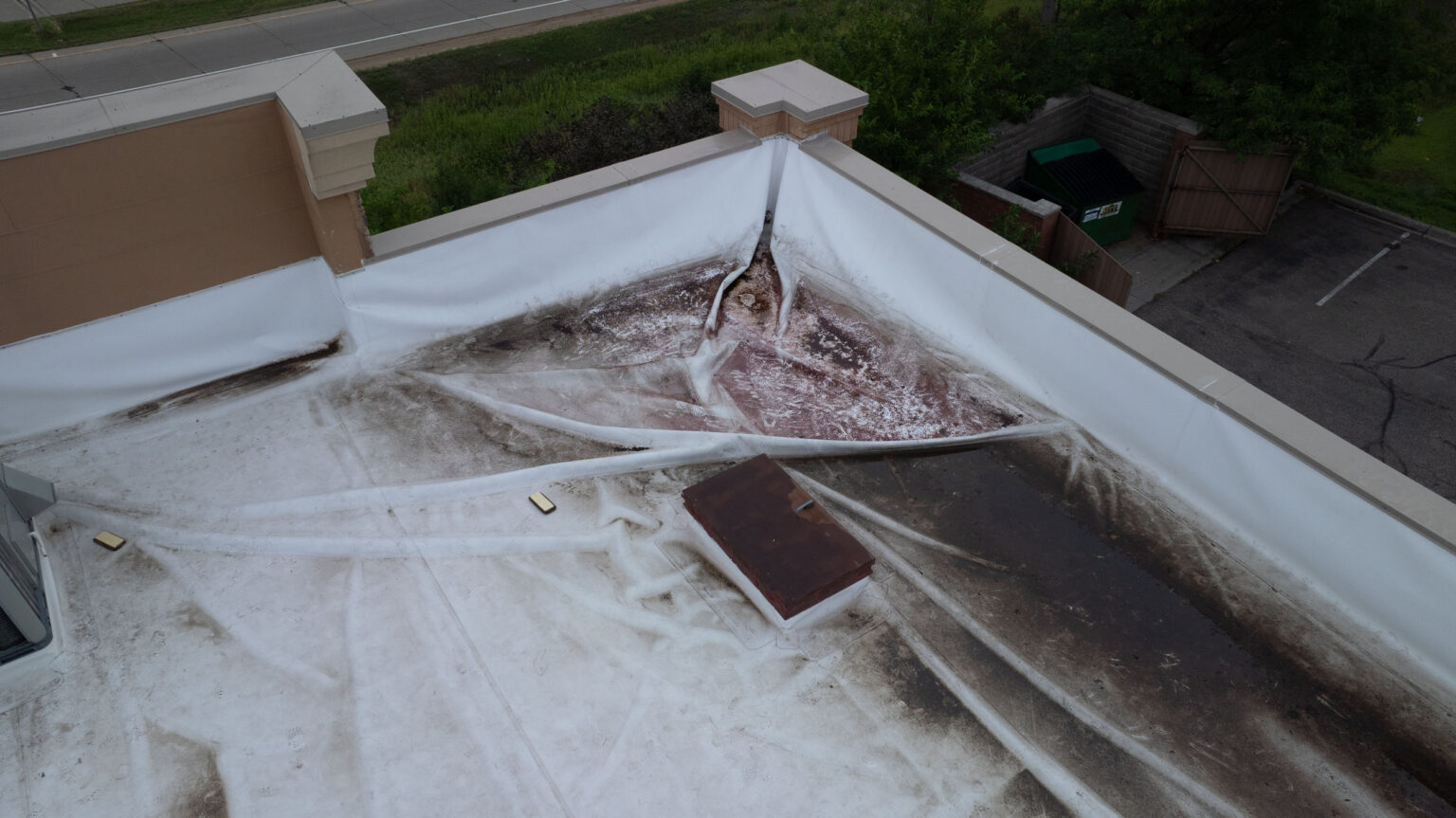
A commercial roof claim in West Palm Beach usually starts the same way: a leak shows up inside a tenant space, a roof walk after a storm turns up lifted membrane or damaged coping, or a routine inspection finds wind or wear damage the ownership group did not know was there. Whatever triggers the call, the property owner or facility manager is left with the same problem — they need a roof file the insurance carrier can actually act on, not a sales pitch.
Commercial Roofers of West Palm Beach builds that file. We walk the roof, document what the storm or the age of the system actually did, and produce a scope that reflects the real condition of the building — not a padded number and not a lowball patch.
We are your roofing contractor, not a public adjuster — we inspect, document, and substantiate the roof damage so you and your adjuster are working from the same accurate scope.
A usable claim file starts with a clear description of the roof before the loss event, where that record exists, and what changed. For most West Palm Beach commercial buildings that means low-slope membrane — TPO, PVC, modified bitumen, or built-up systems — though we also see tile roofs on hospitality, religious, and some mixed-use properties around Palm Beach and the barrier island corridor, where wind-driven tile loss and underlayment failure is a different animal than a lifted membrane seam. The file has to identify the roof type, the approximate age, prior repair history where it is known, and the specific area of loss.
From there we build out cause and extent: what the wind, rain, or hail actually did, how far the damage spreads across the field and perimeter, and whether the deck or insulation underneath took on water. Carriers want a scope that separates storm-caused damage from ordinary wear, and a contractor who blurs that line does the owner no favors when the adjuster pushes back.
Photo documentation on a commercial roof claim has to be organized by roof area, not a random phone camera roll. We photograph overview shots of each roof section, close-ups of specific damage — torn membrane, popped fasteners, cracked tile, damaged edge metal, displaced coping — and reference shots that show scale and location relative to rooftop equipment or parapet walls. Measurements matter too: square footage of affected membrane, linear footage of damaged edge metal or flashing, and wind uplift patterns where fasteners have pulled through.
Moisture is often the part an owner cannot see. We use moisture scans or core cuts where warranted to identify saturated insulation hidden beneath an intact-looking membrane surface, because that is the difference between a targeted repair and a section that has to come out. A claim file that skips this step tends to come back underpaid, because the adjuster only sees what is visible from the roof hatch.
We meet the insurance adjuster on site whenever the owner wants us there. Our job on that walk is to point to the documented damage, explain what we found and how we found it, and answer field questions about the roof assembly, the age of the system, and the local wind and building code context that applies to the property. We are not there to argue the claim or negotiate the settlement — that is between the owner, the carrier, and the owner's own advisors if they choose to involve one. Our role is to make sure the adjuster is looking at the same complete picture we documented, not a rushed visual pass from the edge of the roof.
A roof scope that only covers the visibly damaged square footage often misses what the Florida Building Code actually requires once a roof section is opened up for repair. Code-plus items — secondary water barrier requirements, upgraded fastening patterns tied to current wind uplift standards, product-approved edge metal and coping in wind-borne debris regions along the coast — can be part of a legitimate, defensible scope even though they were not part of the original roof. Matching is another piece: when a membrane, coating, or tile profile is no longer manufactured or the color has weathered unevenly, a full-slope or full-roof-plane repair may be the only way to produce a uniform, code-compliant result instead of a visible patch.
We write those items into the scope with the code section or manufacturer requirement behind them, not as a vague add-on. A complete, accurate scope means nothing legitimate gets left out of the file — not an inflated number, just the real cost of putting the roof back to a code-compliant, weathertight condition.
Commercial roof claims in Palm Beach County get denied or underpaid for a handful of recurring reasons: the initial documentation did not separate storm damage from pre-existing wear, moisture below the surface was never identified, or the scope priced a patch where the underlying damage called for a larger section of the roof. When a client comes to us after a denial or a low settlement, we do a fresh roof walk, build out the documentation that was missing the first time, and produce a supplemental report the owner can bring back to their carrier or their own claim representative. We cannot promise a different outcome on the claim itself, but we can make sure the roof condition is represented accurately the second time around.
The building stock here is not uniform, and neither is the risk profile. Office towers along South Flagler Drive and downtown West Palm Beach carry different roof assemblies than the industrial and marine-adjacent buildings near the Port of Palm Beach and Riviera Beach, and retail centers in Wellington or Boca Raton see different wear patterns than warehouse roofs along the 45th Street corridor or Okeechobee Boulevard. Coastal buildings also deal with salt-air corrosion on metal edge, fasteners, and rooftop equipment that inland properties do not see at the same rate, and that corrosion can complicate a wind claim if a carrier tries to attribute damage to age rather than the storm event. We document that distinction as part of the claim file.
If your building has storm or wind damage and you need a roof file that holds up, call Commercial Roofers of West Palm Beach at 561-728-0649.
Coverage depends on the policy, the cause of loss, and the roof's condition before the event. A documented scope that separates storm damage from pre-existing wear gives the carrier what it needs to make that determination accurately.
A roof walk and damage documentation, a written scope with photos and measurements, an adjuster meeting where we point to what we found, and a final file the owner keeps for their records and for the carrier.
We can re-inspect the roof and build a supplemental documentation package addressing what may have been missed the first time. We do not negotiate the claim itself, but we make sure the roof condition is accurately represented.
It depends on the extent of the damage, whether the deck or insulation took on water, and whether the existing membrane, coating, or tile can be matched. We lay out the options with the reasoning behind each one.
No. We are a roofing contractor, not a public adjuster. We inspect, document, and produce the scope; the property owner files and manages the claim with their carrier.
We prioritize active leaks and open roof conditions. Call us at 561-728-0649 and we will get a timeline based on the building's condition and access.
Named-storm documentation, deductible awareness, and Florida Building Code wind requirements for hurricane-related roof claims.
View scope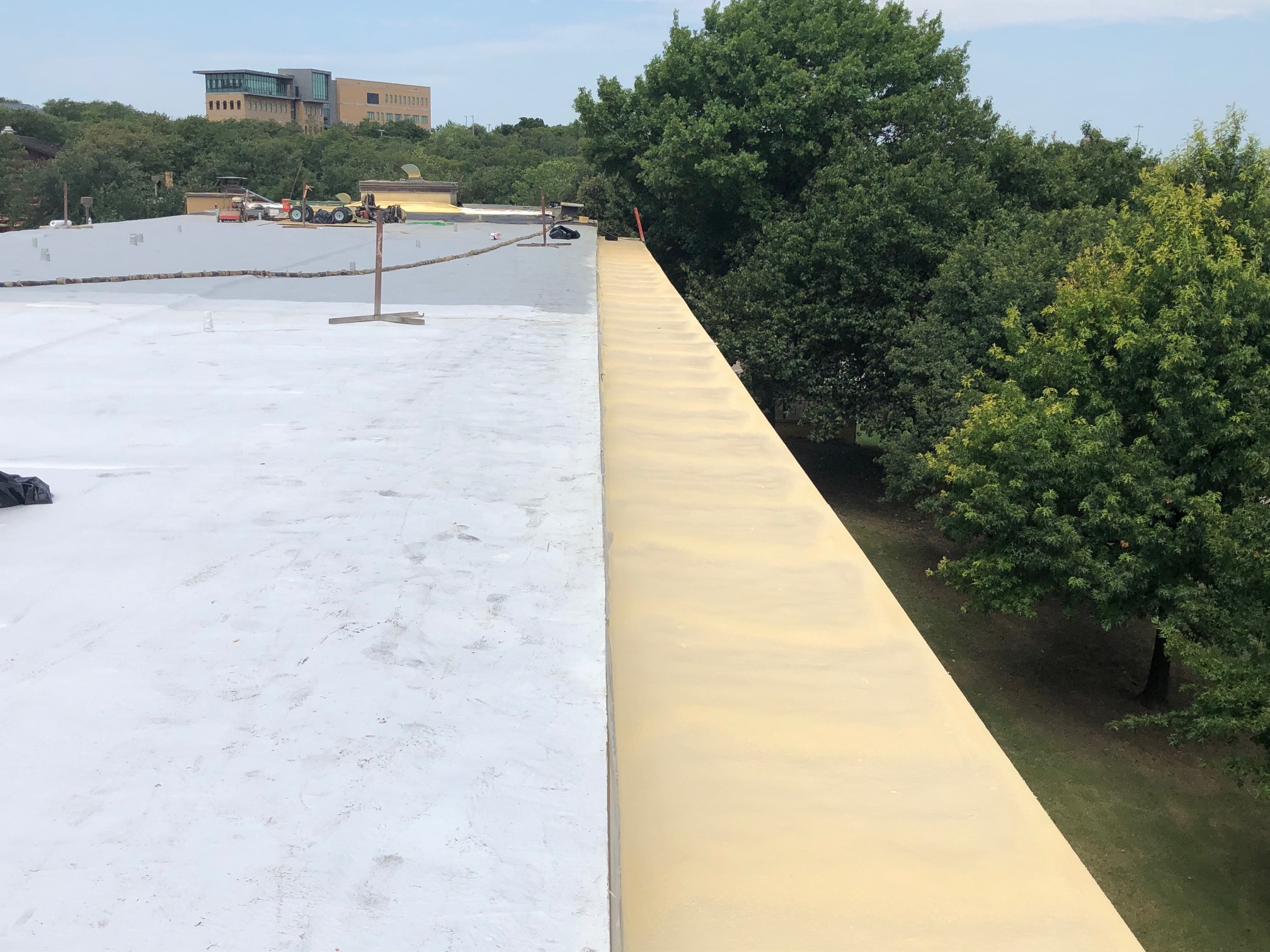
Documentation for wind uplift and severe-thunderstorm roof damage outside named storm events.
View scope
How we support the claim from the first roof walk through adjuster meeting and closeout file.
View scope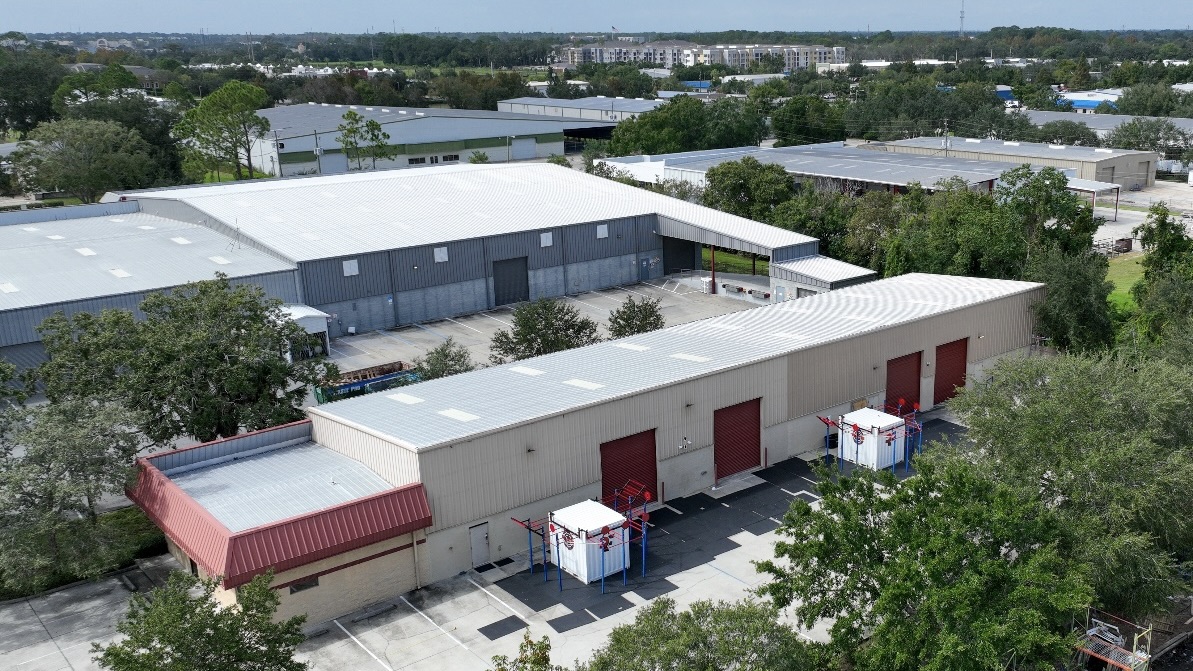
A baseline roof condition report that supports claims, capital planning, and warranty questions.
View scope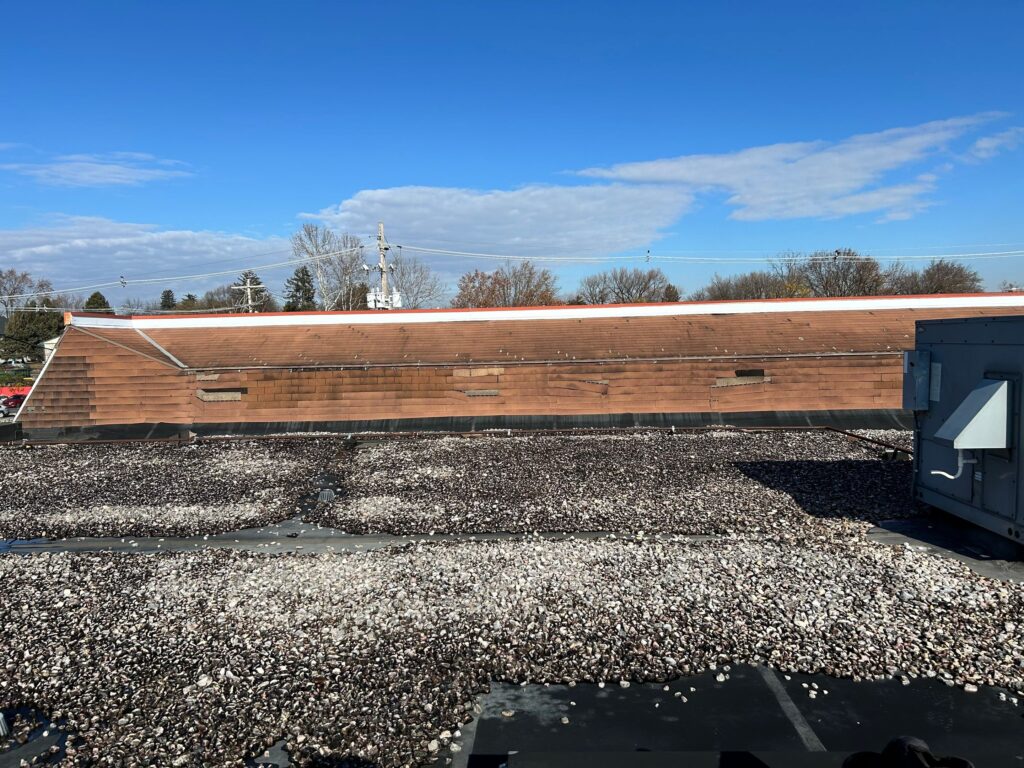
Temporary protection to stop interior damage while the claim and repair scope come together.
View scopeShare the building address, the roof concern, and any timing pressure. We will help frame the next roof scope.
Contact Commercial Roofers of West Palm Beach