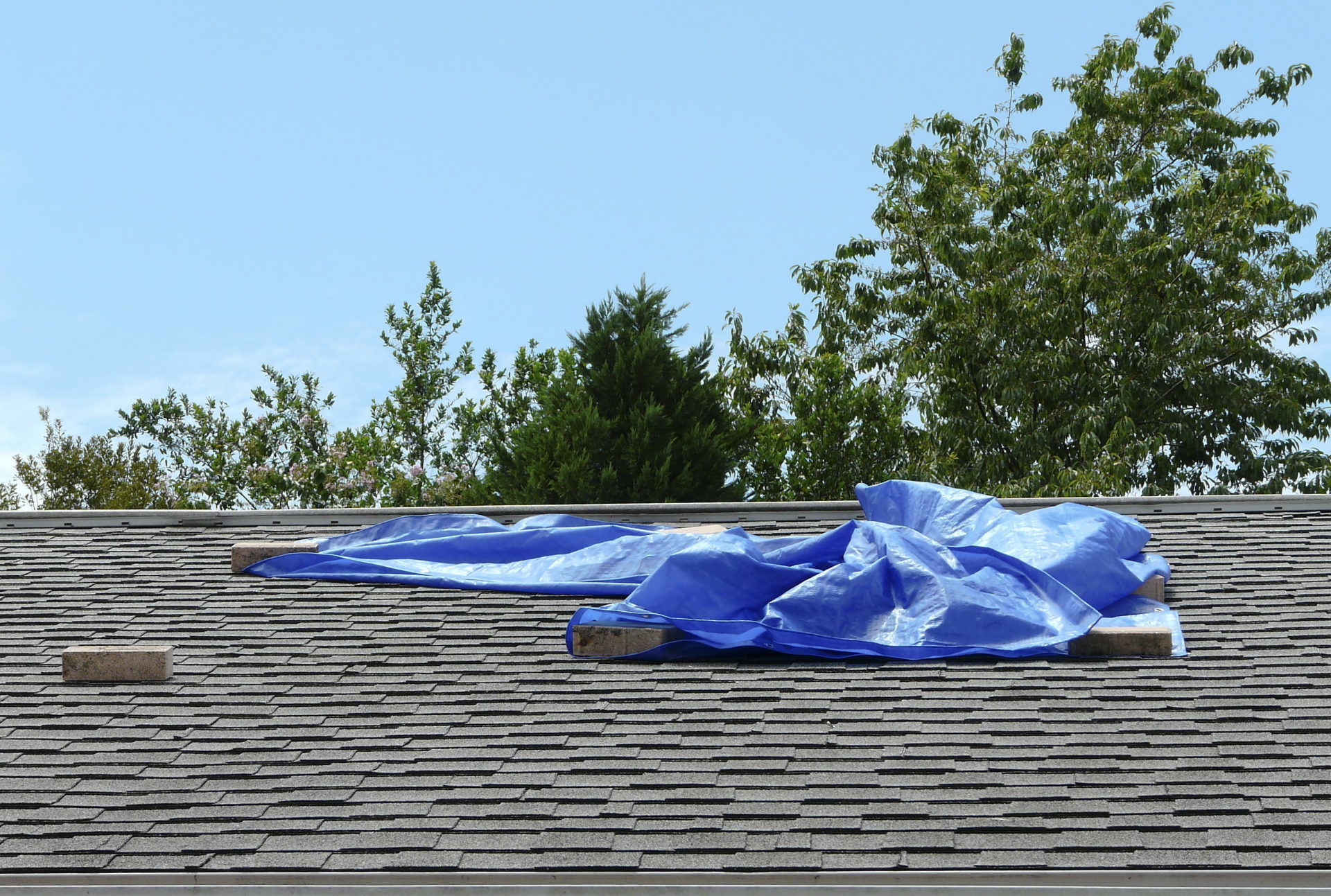
Commercial Roof Leak Repair
Commercial Roof Leak Repair keeps the first roof walk tied to leaks, drainage, edge conditions, and the roof file an owner can use.
View scope
Roof Services
Warehouse and Distribution Center Roofing in West Palm Beach starts with a practical roof walk, photo documentation, and a clear decision path for repair, maintenance, recover, or replacement work.
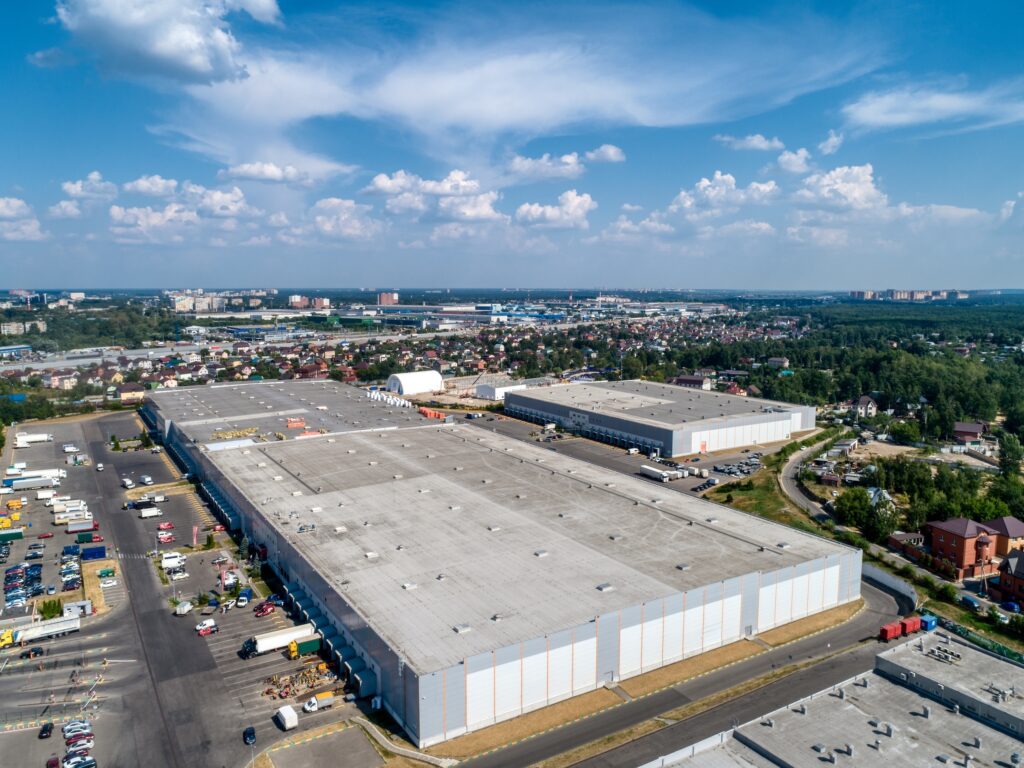
Cheney Brothers' massive food-service distribution facility in Riviera Beach, serving hotels, restaurants, and institutions across South Florida from Palm Beach County down to Miami-Dade, represents the gold standard for hurricane-resistant warehouse roofing in a coastal high-wind zone. West Palm Beach and the surrounding Palm Beach County coastline sit in ASCE 7 Wind Zone IV, the most demanding wind exposure category in the contiguous United States, where design wind speeds for industrial buildings can reach 170 mph or above. No warehouse roof in this region can be treated as a simple commodity purchase — it is an engineered life-safety and business-continuity system.
Florida Building Code wind uplift requirements for Palm Beach County industrial buildings are significantly more demanding than those in almost any other US jurisdiction. Every component of the roofing assembly — membrane, insulation, cover board, deck fasteners, and edge metal — must be tested and rated as a system under FM Global or UL procedures, and the installed configuration must match the approved test assembly exactly. Substituting a different insulation board thickness or using a different fastener than the tested assembly specifies voids the FM or UL approval, potentially voiding building permits and creating insurance coverage complications that can surface painfully after a hurricane loss.
TPO fully adhered over high-density polyiso cover board is the standard specification for new warehouse construction in West Palm Beach, and the fully adhered attachment is non-negotiable for hurricane zone compliance. Mechanically fastened systems in the field of the roof can develop progressive lap-seam failure during high-wind events as the fastener plates transmit uplift force concentrations to the membrane seams above them. A fully adhered system distributes uplift load across the entire membrane plane, providing more uniform resistance to the wind forces that a Category 2 or 3 hurricane imposes across a 300,000-square-foot warehouse roof.
Hurricane impact and flying debris are as relevant to warehouse roofing as wind pressure alone. During Hurricanes Frances and Jeanne, which both made landfall in Palm Beach County in 2004, numerous warehouse roofs sustained damage not from wind uplift failure but from penetration by airborne debris — lumber, signage, rooftop equipment from neighboring buildings — that punched through standard-thickness single-ply membranes and then allowed catastrophic water ingress during the sustained storm. Impact-resistant membrane products, high-density cover boards, and robust perimeter metal systems that resist being stripped off and becoming projectiles themselves are all elements of a complete hurricane-resistant roofing design.
Dock canopy flashings and loading dock area roofing on West Palm Beach warehouses are subject to the same Florida Building Code wind requirements as the main roof field, and the perimeter and corner zones carry significantly higher uplift load factors. Dock canopy roofing — often a small area of low-slope membrane over a steel or concrete deck — must be treated with the same engineering rigor as the primary warehouse roof, because a dock canopy that fails during a storm becomes a projectile hazard and exposes the dock openings to direct wind and water intrusion that can damage the entire facility interior.
Drainage design for South Florida warehouse roofs involves managing both hurricane storm surge (for sites in flood zones) and the extremely intense rainfall that accompanies tropical systems. Palm Beach County has recorded six-inch hourly rainfall rates during intense squalls, and a 200,000-square-foot warehouse roof generates enormous runoff volumes during these events. Internal drains must be sized for peak flow, overflow scuppers must be clear and adequately sized, and the site drainage system receiving rooftop discharge must not back up during a regional flooding event in ways that surcharge the rooftop drainage path.
Forklift and material-handling equipment exhaust on West Palm Beach warehouses presents a hurricane-season maintenance challenge: roof exhaust fans and ventilator caps that are not hurricane-rated can be destroyed during storm events, leaving large unflashed roof penetrations open to wind-driven rain. Hurricane-rated exhaust fan housings with rated closures that can be secured before a storm approaches are available from industrial ventilation suppliers and should be standard specification for all South Florida warehouse rooftop mechanical equipment. The few hundred dollars of additional cost per unit pales against the water damage claim that results from an unprotected roof penetration during a hurricane.
Florida's building inspection requirements for commercial re-roofing are among the most rigorous in the nation. Palm Beach County requires manufacturer-certified inspections at key installation milestones — substrate condition, insulation attachment, cover board installation, and membrane seaming — in addition to the standard local building department inspection at project completion. These inspections are not bureaucratic formalities; they are documentation that supports both the manufacturer's material warranty and the building's FM Global property insurance rating, which directly affects annual insurance premiums on a large warehouse facility.
Energy efficiency in South Florida warehouse roofing is overwhelmingly dominated by solar heat gain management. Florida's Climate Zone 1 designation corresponds to the most cooling-intensive climate classification in ASHRAE 90.1, and the mandatory minimum SRI for cool roofs on commercial buildings in Palm Beach County is enforced at permit. White TPO membranes that meet Florida Energy Code cool-roof requirements reduce cooling loads year-round and qualify West Palm Beach warehouse owners for FPL Business incentive rebates that can provide meaningful cost offsets for energy-efficient roofing upgrades.
Commercial Roof Leak Repair keeps the first roof walk tied to leaks, drainage, edge conditions, and the roof file an owner can use.
View scope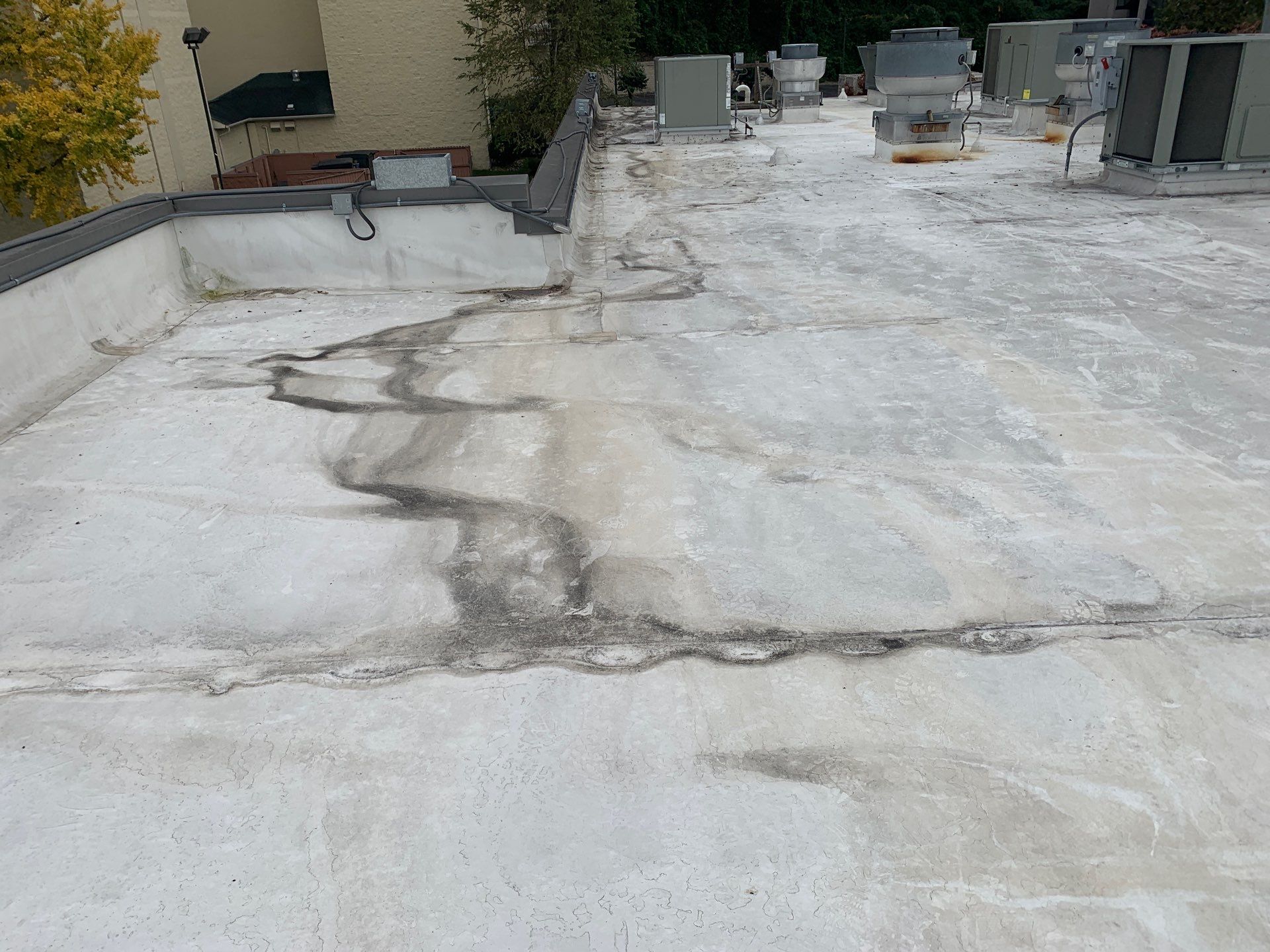
Hurricane Roof Damage Repair turns visible roof conditions into repair, maintenance, recover, or replacement options without generic brochure language.
View scope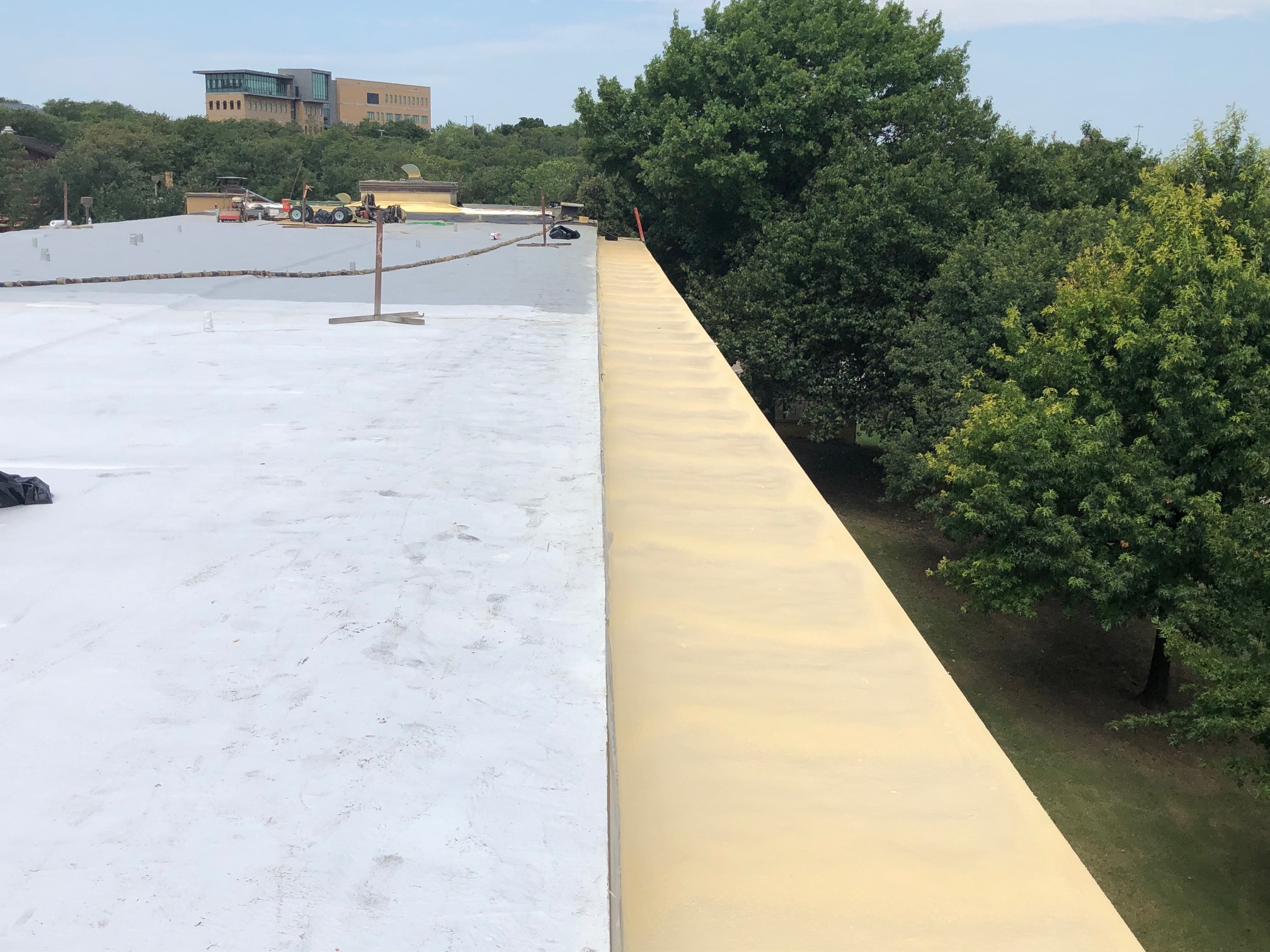
Wind Uplift Roof Repair helps property teams separate urgent work from capital planning with photos, notes, and a practical call path.
View scopeShare the building address, the roof concern, and any timing pressure. We will help frame the next roof scope.
Contact Commercial Roofers of West Palm Beach