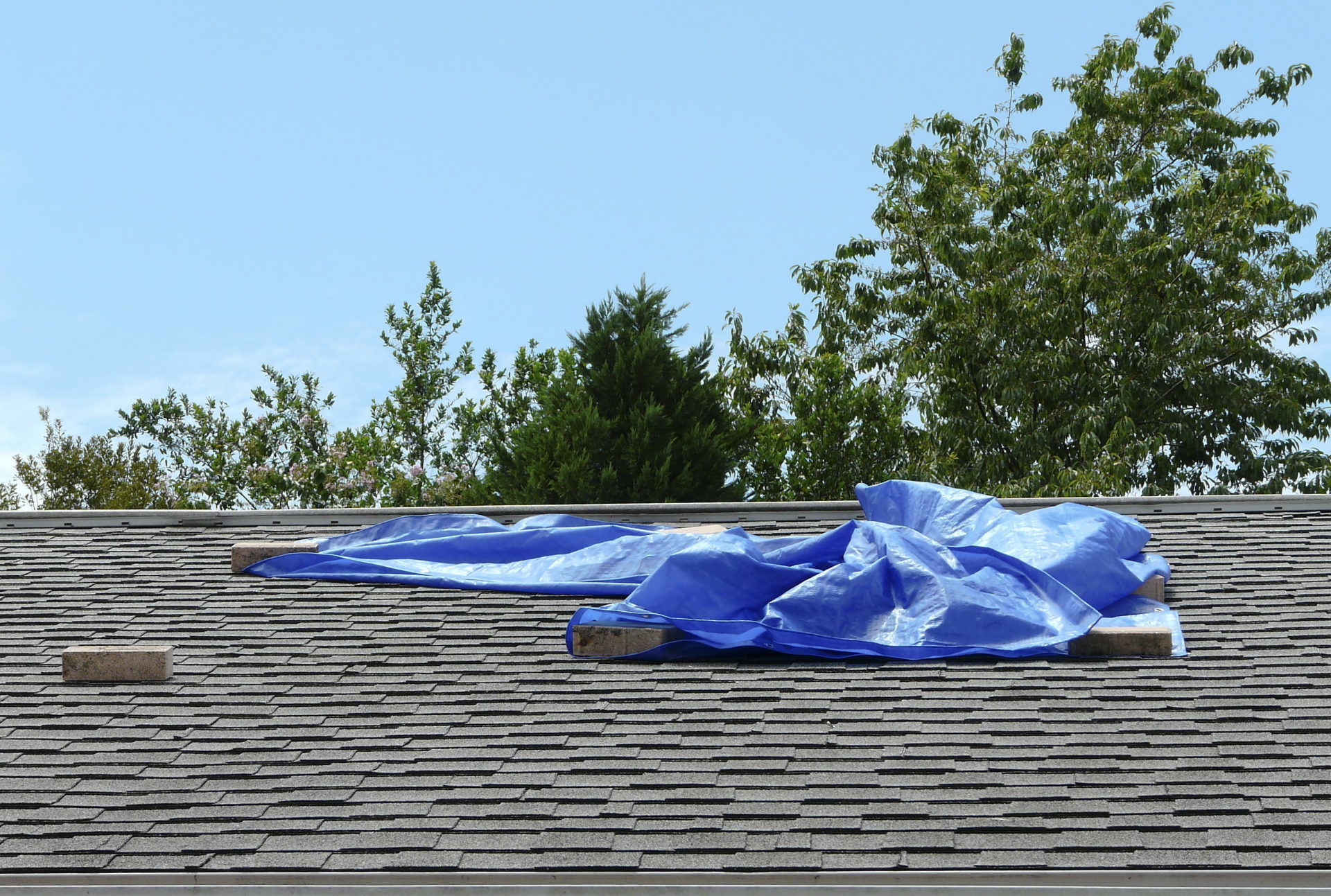
Commercial Roof Leak Repair
Commercial Roof Leak Repair keeps the first roof walk tied to leaks, drainage, edge conditions, and the roof file an owner can use.
View scope
Roof Services
University and College Campus Roofing in West Palm Beach starts with a practical roof walk, photo documentation, and a clear decision path for repair, maintenance, recover, or replacement work.
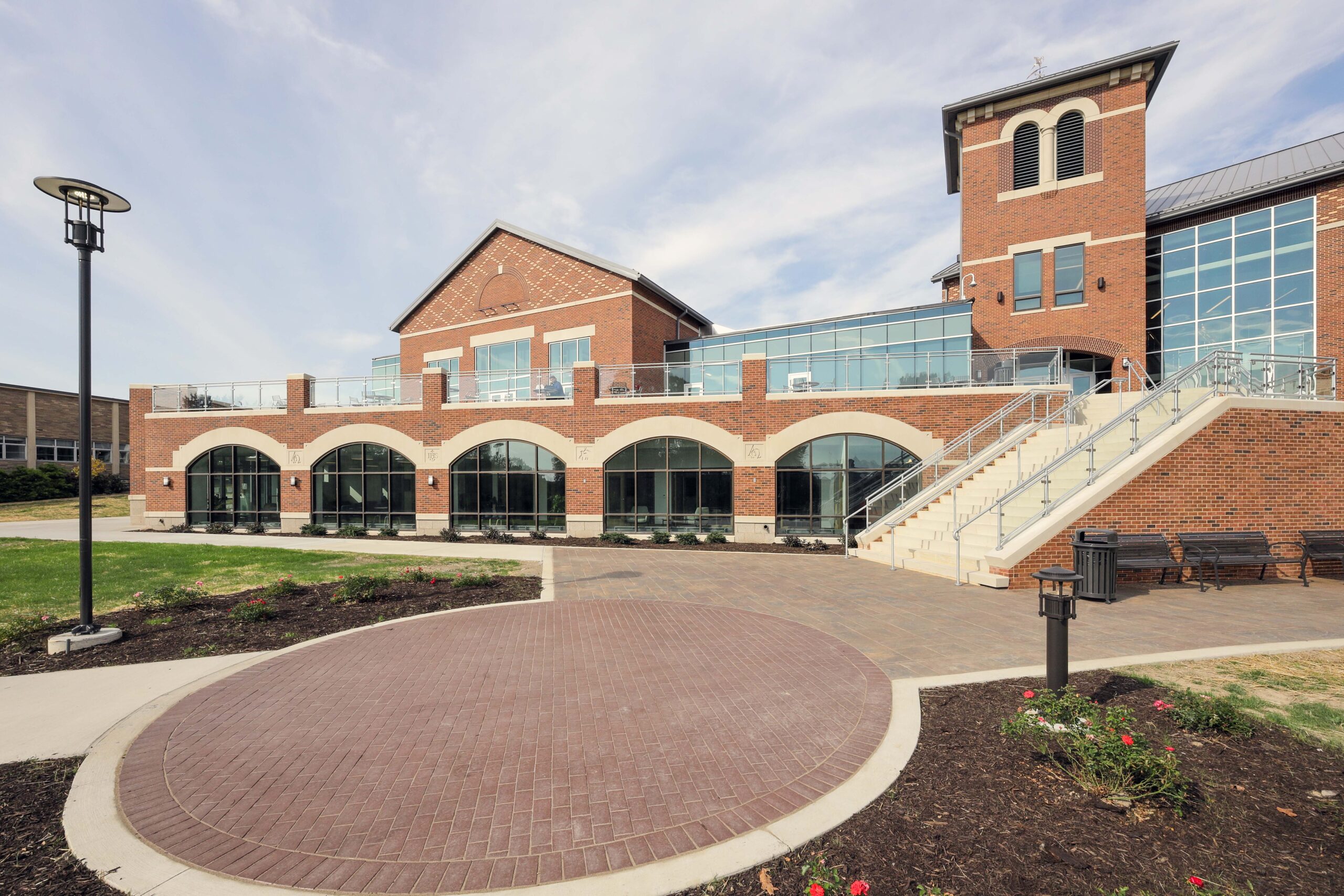
Florida Atlantic University, with its main campus in Boca Raton and an auxiliary campus in Jupiter, serves over 30,000 students and manages a building inventory that reflects the full range of South Florida's institutional construction—from the distinctive International Style buildings of the original 1960s campus design by Palm Beach architect Howard Chilton to contemporary research buildings housing the FAU Harbor Branch Oceanographic Institute and the Wilkes Honors College facilities. Palm Beach Atlantic University in downtown West Palm Beach adds a smaller but architecturally coherent campus to the regional university roofing market. Both institutions face roofing demands shaped by South Florida's hurricane exposure, extreme humidity, and the unique demands of coastal academic campus operations.
Semester scheduling at FAU follows the South Florida academic calendar, with the primary summer break window from mid-May through late August providing the main opportunity for major roofing work. Unlike Vermont or Minnesota institutions, FAU's summer break coincides with the most active phase of the Atlantic hurricane season, creating a fundamental tension between the scheduling window and the climate risk. Contractors working with FAU Facilities Planning must develop phased project plans that can be substantially completed and closed out before the peak August-September hurricane threat period—essentially compressing the effective work window to May through mid-July for any project that involves significant open-roof exposure.
FAU's original 1960s campus buildings in Boca Raton represent a distinctive preservation challenge. The International Style buildings, with their horizontal banding and flat roof profiles, are not individually landmarked but are collectively recognized as significant examples of mid-century South Florida institutional architecture. Re-roofing these buildings must respect their architectural integrity by maintaining the flat roof profiles and simple parapet lines that define the campus's visual character, even as the roofing systems themselves are upgraded to modern hurricane-resistance and energy efficiency standards. The integration of modern insulation levels with the slim parapet profiles of 1960s construction requires careful detailing—particularly at drain and scupper locations where the added insulation thickness changes the relationship between the membrane surface and the drainage outlet elevation.
Hurricane design requirements at FAU are among the most stringent in the university market. The Boca Raton and Jupiter campuses sit in the ASCE 7 160 mph basic wind speed zone, and Florida Building Code requires that all roofing systems on university buildings meet Florida Product Approval requirements for the applicable wind uplift load. Re-roofing projects at FAU require wind uplift calculations performed by a licensed Florida PE, Florida Product Approval documentation for the complete assembly, and special inspector monitoring of the installation to verify that the approved assembly is installed as tested. The special inspector's report is a required building permit close-out document in Palm Beach County.
LEED certification is standard at FAU for buildings above $2 million in project value, and the university's sustainability plan includes specific targets for building energy use intensity and water consumption. Roofing upgrades contribute to both goals—high-SRI membrane surfaces reduce cooling loads in a climate where cooling represents 60-70% of building energy consumption, and green roof assemblies can qualify for water quality credits by reducing rooftop runoff. FAU's Office of Sustainability provides guidance on the LEED documentation process for capital projects and can advise on which specific credits are achievable through roofing scope, helping contractors understand the documentation requirements before project completion.
Research facilities at FAU include the Harbor Branch Oceanographic Institute on Indian River Lagoon and marine science buildings that face the unique roofing challenge of salt-air corrosion from the lagoon and intracoastal environment in addition to the ocean exposure from the east. Metal roofing components on FAU's research buildings adjacent to water bodies must be specified in Type 316 stainless steel or marine-grade aluminum regardless of their distance from the ocean, because estuarine and lagoon air carries chloride concentrations comparable to ocean air. Annual inspection of metal components specifically looking for corrosion initiation is the minimum maintenance standard for these facilities.
Campus security at FAU is enhanced by the presence of an on-campus FAU Police Department, and contractors working on FAU projects must be registered in the university's vendor management system, which includes background check verification for all workers. The registration process takes 10-14 business days, and contractors who do not begin this process at contract execution risk delaying their start date while clearances are processed. FAU's campus in Boca Raton is surrounded by an affluent neighborhood, and construction vehicle routing must follow FAU's designated access paths to avoid neighborhood traffic conflicts.
Palm Beach Atlantic University's downtown West Palm Beach campus presents a different set of challenges from FAU's suburban Boca Raton campus. The urban campus is surrounded by the downtown commercial district and waterfront, limiting staging areas and requiring careful coordination with the city for any crane permits or lane closures required for material deliveries. PBA's commitment to its Christian institutional identity is reflected in its historic chapel building, which has preservation requirements analogous to a church in an urban historic context. Roofing work on PBA's chapel and heritage buildings requires the same historic materials sensitivity and HPRB-equivalent coordination that would apply to a church in an established historic district.
Long-term maintenance programs for FAU and PBA must incorporate South Florida's aggressive building envelope degradation timeline. The combination of UV intensity, salt-air corrosion, and hurricane exposure means that roofing systems that might achieve 20-25 year service lives in moderate climates should be maintained on 15-18 year replacement cycles in Palm Beach County. Annual inspections that specifically address the five failure modes most relevant to South Florida—edge metal wind uplift, seam adhesion loss, penetration sealant cracking, drain blockage, and metal component corrosion—provide the condition data needed to justify timely replacement before catastrophic failure rather than reacting to acute leaks after the fact.
Commercial Roof Leak Repair keeps the first roof walk tied to leaks, drainage, edge conditions, and the roof file an owner can use.
View scope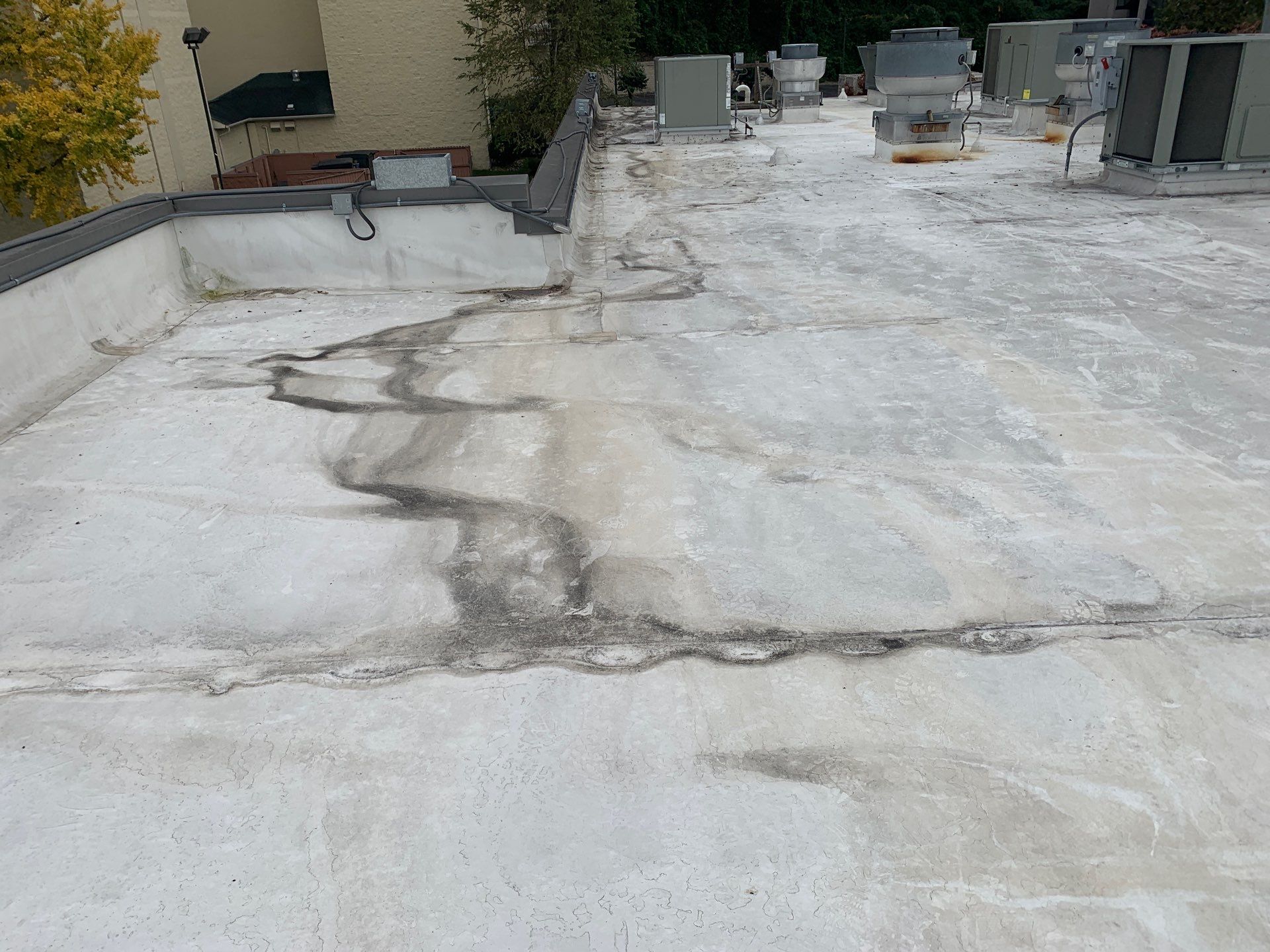
Hurricane Roof Damage Repair turns visible roof conditions into repair, maintenance, recover, or replacement options without generic brochure language.
View scope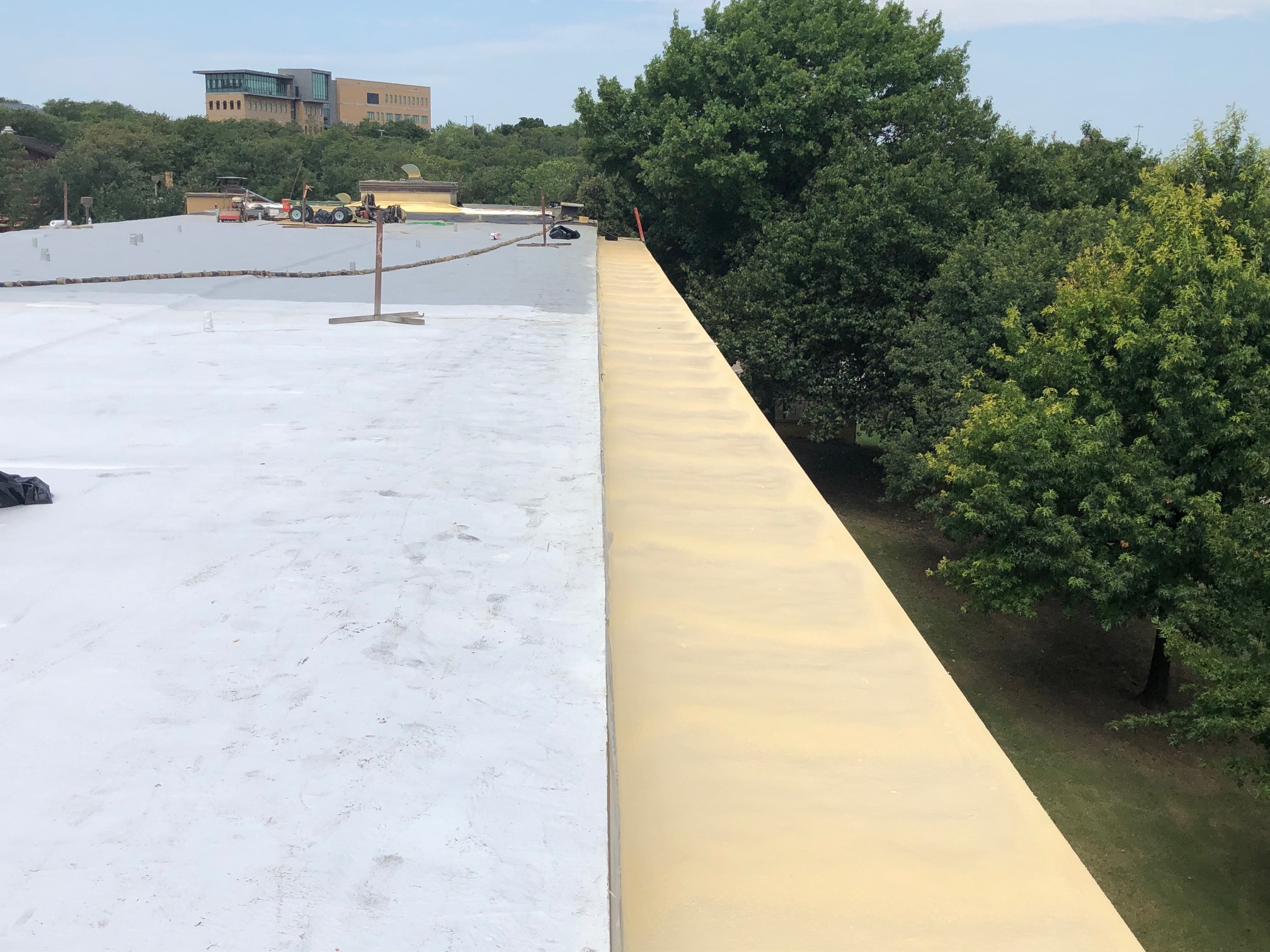
Wind Uplift Roof Repair helps property teams separate urgent work from capital planning with photos, notes, and a practical call path.
View scopeShare the building address, the roof concern, and any timing pressure. We will help frame the next roof scope.
Contact Commercial Roofers of West Palm Beach