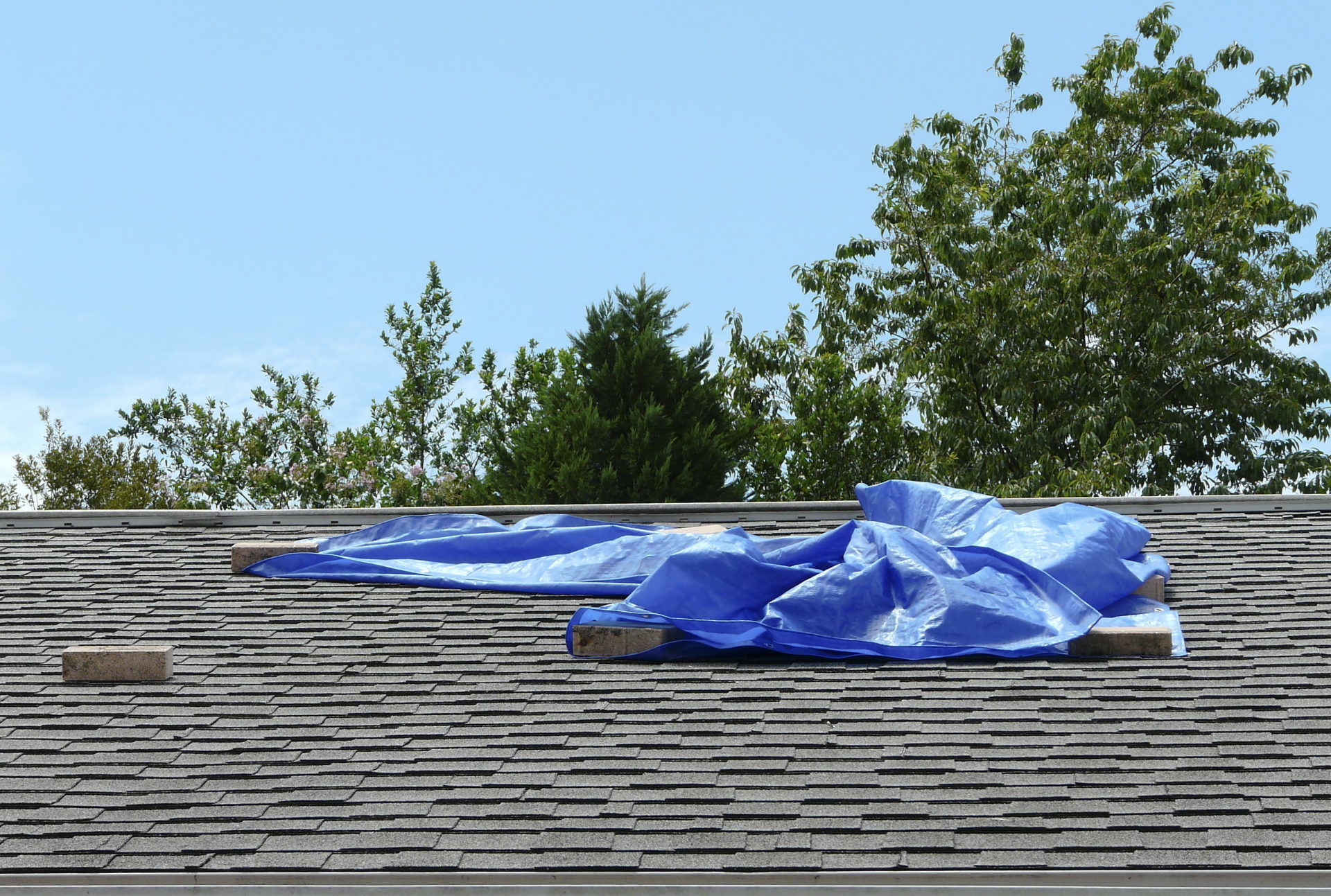
Commercial Roof Leak Repair
Commercial Roof Leak Repair keeps the first roof walk tied to leaks, drainage, edge conditions, and the roof file an owner can use.
View scope
Roof Services
Commercial Solar Roof Integration in West Palm Beach starts with a practical roof walk, photo documentation, and a clear decision path for repair, maintenance, recover, or replacement work.
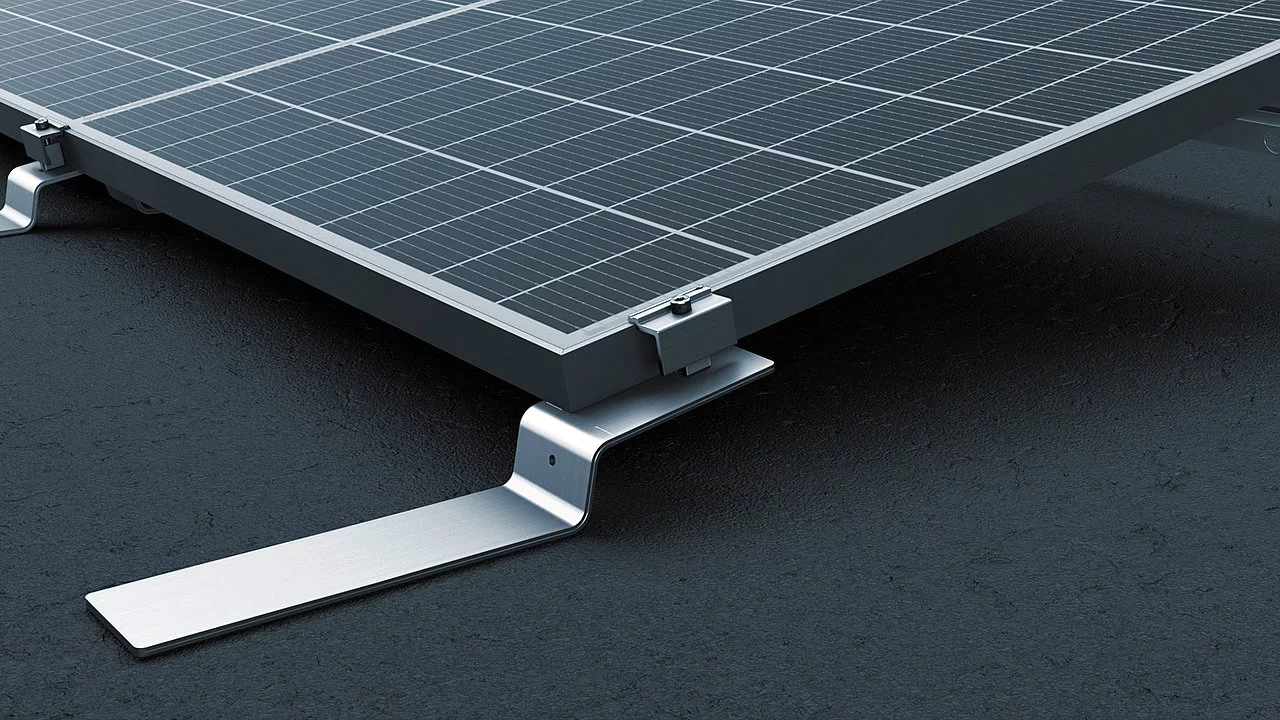
A rooftop solar system is a twenty-five to thirty year commitment. The membrane it sits on top of frequently is not. That single mismatch is where most solar projects in Palm Beach County go financially sideways, and it is the problem we are hired to prevent. Owners around the Centerpark Boulevard business park, the warehouse and flex buildings off Belvedere Road, and the office inventory ringing Palm Beach International keep adding panels to push back against FPL demand charges and to capture the federal tax credit on the install. Those are good reasons. None of them survive the day a crew has to lift an entire array off a leaking eight-year-old membrane, reroof underneath, and bolt the whole system back on. That detach-and-reset bill routinely runs into six figures on a large array, and it is avoidable with one honest conversation before the panels are ever ordered.
We are the roofing side of that conversation, and only the roofing side. We do not sell modules, inverters, or racking, and we take no cut of the solar contract. When we tell you the deck under your feet is ready to carry an array for the next two decades, there is no panel commission shading the answer. We core the roof, we tell you how many honest years it has left, and we either get it solar-ready or we tell you to reroof first. Then we hand a documented, watertight substrate to whatever solar EPC you choose.
The first thing a solar array does to a roof is add weight and catch wind, and West Palm Beach sits in one of the most demanding wind-design regions in the continental United States. Both of those forces have to be answered before anyone talks about panel layout.
A ballasted array holds itself down with concrete pavers rather than fasteners, which keeps the membrane unpunctured. That is attractive until you run the numbers for our wind speeds. A flat-roof array behaves like a sail, and the ballast needed to resist uplift in a code-level wind event can be substantial. On an older bar-joist or lightweight steel deck, that ballast load can simply exceed what the structure was framed to carry. So the dead-load question and the uplift question are really one question, and it belongs to a structural engineer before a solar designer. We raise it on day one, because discovering a structure cannot hold a compliant ballast array after the steel is delivered is the kind of surprise that kills a project.
A mechanically attached array trades ballast weight for holes. Every standoff is a penetration through a roof we are responsible for keeping dry. On an array with several hundred attachment points, the gap between a properly flashed, manufacturer-approved post boot and a field-improvised bead of sealant is the gap between a dry building and a slow drip you chase across the next ten roof inspections. We install those penetrations ourselves so they live under a single roofing warranty instead of in a no-man's-land between two trades.
Almost every leak on a solar roof traces back to something punched through the membrane and flashed badly. Racking standoffs are the obvious culprit, but conduit is the quiet one. The DC and AC runs cross the roof and drop through it to reach the building's electrical service, and how that happens decides whether the roof leaks.
All three are solved by planning the conduit routing and through-roof penetrations with the electrician before a single run is pulled. Thirty minutes of layout work up front saves a decade of leak-chasing.
Not every roof surface belongs under panels. For solar-ready commercial roofs here we usually specify a 60-mil white TPO or PVC single-ply. The reflective surface holds the roof plane cooler, and because PV output falls as cell temperature climbs, a cool white deck under the array is not only a roofing preference, it gives a modest lift to energy yield across a West Palm Beach summer. A light-colored field also makes the array easier to service, because ponding, debris, and membrane damage all show clearly against white where they would hide on a dark roof. Where the structural numbers rule out ballast weight, a fully adhered system removes ballast from the equation entirely and still leaves a clean reflective surface.
Walkway protection matters more under solar than on a bare roof. Once the array is energized, technicians return on a maintenance cycle, and that foot traffic concentrates on the same lanes between module rows. Unprotected, those paths are the first part of the membrane to wear through. We lay out and install walkway pads as part of the roofing scope, before the panels arrive, so the service routes are armored from the day the array goes live.
A rooftop array sits at the intersection of two warranties that, left alone, never speak to each other: the membrane manufacturer's and the solar equipment manufacturer's. The single-ply manufacturers will only keep their warranty in force over a solar installation if the work follows their published program, approved ballast pads, approved attachment details, walkway protection, and in most cases a pre-installation review by their own field representative. Skip that review and you can void a twenty-year membrane warranty the moment the racking lands.
We run that review as part of any combined solar-and-roofing job. Before the array is set, the manufacturer's representative signs off on the ballast and penetration details, the walkway layout, and the inspection schedule. After the work, we document the completed details so both warranties register cleanly against the same building, one coordinated paper trail rather than two trades each assuming the other handled the handoff.
When a reroof and a solar install happen on the same building, the order is fixed. The membrane goes down and gets inspected first. We flash every penetration, not the solar electrician, before any conduit is run or any racking is set. Only then does the array go up. A single pre-construction meeting with the solar contractor locks the sequence, the conduit routing, the penetration details, and the final inspection requirements for both warranty registrations. That meeting heads off the most common field collision on these jobs, a solar crew ready to mount on a roof that is not finished, or one finished by someone whose flashing the membrane manufacturer will not stand behind.
We start with core samples and a condition survey to establish honest remaining service life. If the roof has fifteen or more good years, we prepare it for solar on the existing membrane. If it has seven or fewer, we will tell you plainly to reroof first, because reroofing now and mounting the panels immediately afterward costs far less than detaching and reinstalling an array during a forced replacement later. Either path gives you a written assessment, a recommendation with the reasoning attached, and a substrate built for the wind loads Palm Beach County actually sees rather than the ones a generic spec assumes.
It comes down to documented remaining service life. Fifteen-plus good years, and mounting on the existing membrane is reasonable. Seven or fewer, and reroofing first is almost always cheaper than detaching and reinstalling the array during a future replacement. We core the roof and give you a service-life number before anyone commits.
It avoids fasteners, but in our wind region the ballast required to resist uplift can exceed an older building's structural capacity. We confirm both the dead load and the uplift demand against the structure before recommending ballasted over mechanically attached racking.
We do, before the solar electrician pulls conduit. Keeping all roof penetrations inside the roofing scope means one party owns the watertight detail and one warranty covers it.
Usually a 60-mil white TPO or PVC. The reflective surface keeps the deck cooler, which helps both panel output and membrane life through our summers, and the light field makes service inspections straightforward. A fully adhered system answers wherever ballast weight is a structural problem.
Commercial Roof Leak Repair keeps the first roof walk tied to leaks, drainage, edge conditions, and the roof file an owner can use.
View scope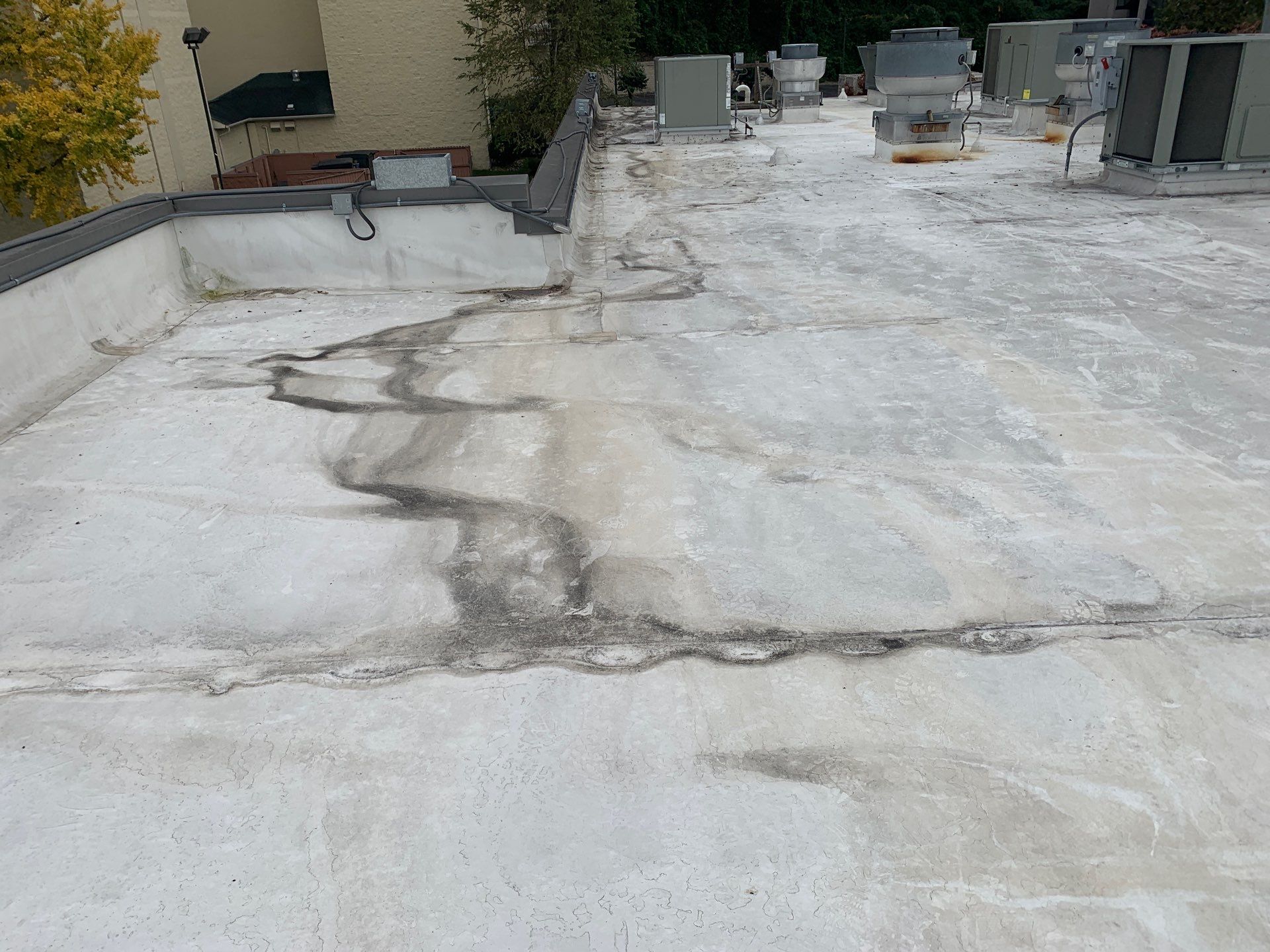
Hurricane Roof Damage Repair turns visible roof conditions into repair, maintenance, recover, or replacement options without generic brochure language.
View scope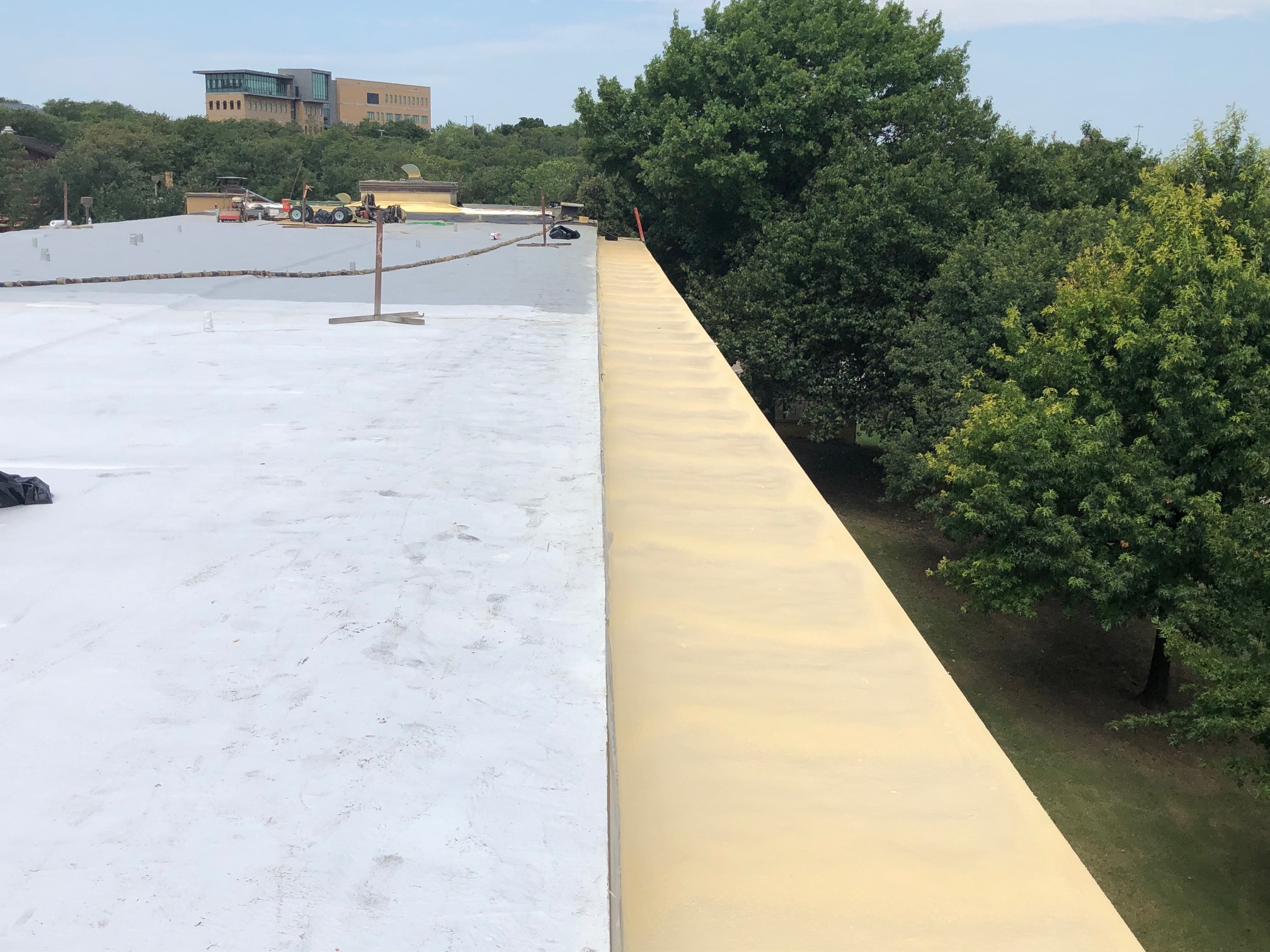
Wind Uplift Roof Repair helps property teams separate urgent work from capital planning with photos, notes, and a practical call path.
View scopeShare the building address, the roof concern, and any timing pressure. We will help frame the next roof scope.
Contact Commercial Roofers of West Palm Beach