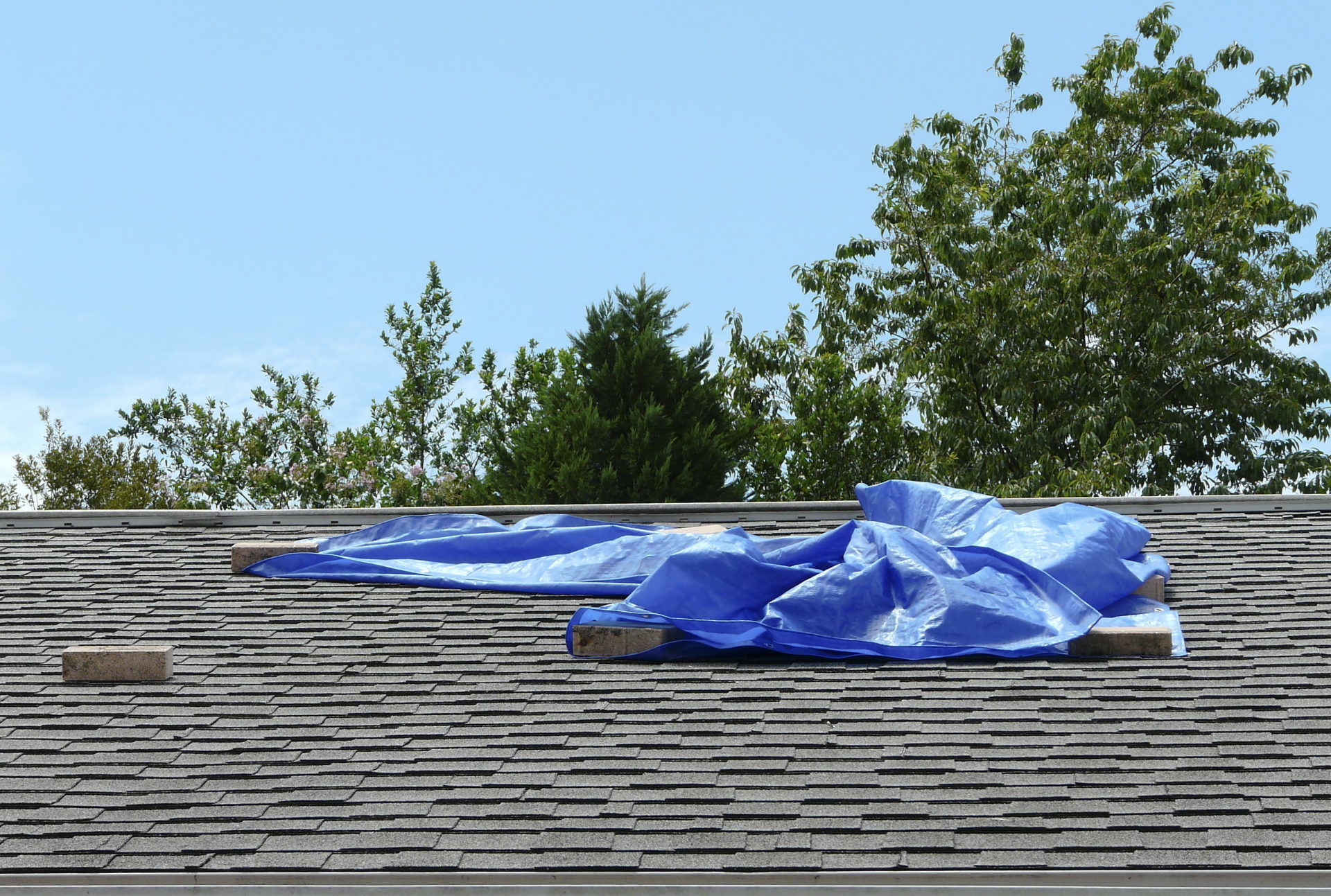
Commercial Roof Leak Repair
Commercial Roof Leak Repair keeps the first roof walk tied to leaks, drainage, edge conditions, and the roof file an owner can use.
View scope
Roof Services
Retail and Shopping Center Roofing in West Palm Beach starts with a practical roof walk, photo documentation, and a clear decision path for repair, maintenance, recover, or replacement work.
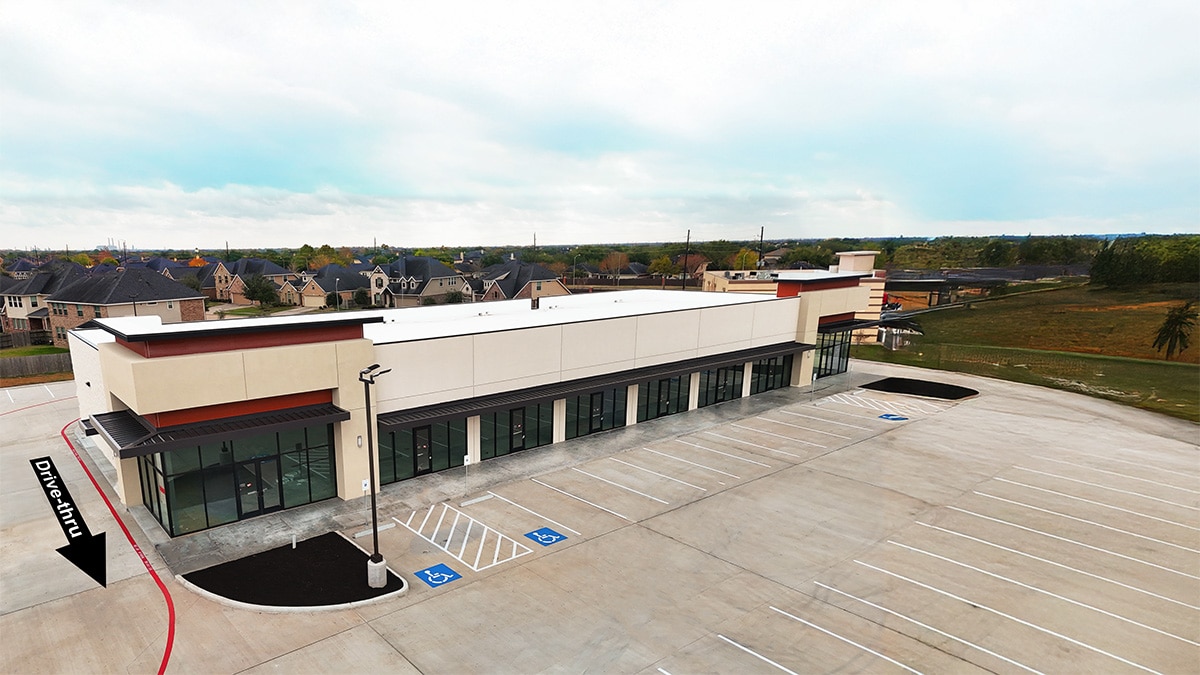
West Palm Beach and the broader Palm Beach County retail market combine some of the highest commercial real estate values in Florida with a hurricane exposure that has repeatedly tested the limits of building code compliance. From the luxury retail corridor along Worth Avenue in Palm Beach to the power centers along Southern Boulevard and Okeechobee Boulevard, from the CityPlace mixed-use district to the big-box retail lined up along Congress Avenue and Military Trail, every retail rooftop in this market carries the dual obligation of meeting national tenant standards and surviving a direct hurricane hit without catastrophic failure. Those two requirements are not always in tension, but they must both be addressed in every project.
Florida Building Code wind requirements for Palm Beach County are among the most demanding in the continental United States. The FBC High-Velocity Hurricane Zone provisions that govern Miami-Dade and Broward counties technically apply differently north of those jurisdictions, but West Palm Beach retail properties in Palm Beach County are designed to the 170-mph ultimate design wind speed applicable to the region. Fastening patterns for insulation boards, membrane attachment, and perimeter metal edge detailing must all be engineered for those loads. We submit NOA-compliant (Notice of Acceptance) assembly documentation for every retail roofing project in Palm Beach County, which is required for building permit issuance and provides the property owner with defensible documentation of code compliance.
TPO and PVC membranes dominate new retail roofing installations in West Palm Beach, with the balance tilting toward PVC on projects where chemical resistance and documented long-term performance in tropical conditions is a priority. Both require heat-welded seams, which are the only joint method that achieves the 350-pound-per-linear-foot or higher seam strength required under Florida's demanding wind-uplift testing protocols. Mechanically attached single-ply systems, using stainless steel or hot-dipped galvanized fasteners in corrosion-resistant plates, are specified for the field areas of large retail roofs where the fastening density required by engineered uplift calculations makes fully adhered systems cost-prohibitive on very large footprints.
Hurricane preparedness extends beyond the roofing membrane itself to every penetration and piece of equipment the membrane is designed to protect. HVAC curb frames that are not secured to the deck assembly correctly become projectiles in a Category 3 or stronger storm. Exhaust fan housings, rooftop signage frames, and light fixture bases require hurricane-rated attachment hardware appropriate for Palm Beach County's wind design zone. We review all rooftop equipment attachment details during a pre-project walk-through and flag any equipment that is not currently secured to current code, because a loose piece of equipment on an adjacent roof becomes a threat to the intact roofing membrane on every roof it can reach.
The CityPlace and Clematis Street retail environments in downtown West Palm Beach bring a distinct set of roofing conditions: urban mixed-use buildings with rooftop terrace amenities, parking decks above retail podiums, and historic structures in the Clematis Street Historic District that have preservation constraints overlaid on standard waterproofing requirements. Waterproofing systems on occupied podium decks above retail must be installed with protection board and drainage composite to extend membrane service life under foot traffic and furniture loading, and the termination details at columns and curbs must be designed for inspection access without full deck removal.
Retail landlords in West Palm Beach carry a significant insurance cost burden relative to the national average, and the quality and documentation of roofing work directly affects property insurance underwriting. Insurance carriers writing commercial property policies in South Florida increasingly audit roofing system documentation as part of their renewal process, and properties with certified installation records and current roof condition reports from licensed roofing inspectors receive more favorable treatment than those without. We provide all documentation in formats compatible with the standard insurance audit packages requested by Florida's major commercial property carriers.
National and regional grocery chains operating in Palm Beach County — including the Publix locations embedded in nearly every major shopping center — carry facilities standards that property owners must meet to retain those anchor tenants. Publix's standard specification for landlord-provided roofing includes minimum membrane thickness, installation method, warranty duration, and periodic inspection requirements. The same is true of the major drugstore and home improvement chains active along Military Trail and Forest Hill Boulevard. Our crews are trained on the specific installation and documentation requirements embedded in those tenant standards, which eliminates the friction of specification mismatches at closeout.
South Florida's high humidity and year-round warmth create a biological growth challenge on retail roofs that is rarely a concern in northern markets. Algae, mold, and lichen colonize rooftop surfaces in West Palm Beach within a few years of installation if the membrane surface does not incorporate biocide protection or if ponding areas allow sustained moisture presence. We specify TPO and PVC products with manufacturer-incorporated algae-resistant compounding for all West Palm Beach retail installations, and our annual maintenance agreements include biocide treatment as a standard item. A retail roof that develops dark biological staining visible from the parking lot reflects poorly on the property's maintenance standards regardless of the membrane's waterproofing integrity.
The West Palm Beach retail market's seasonal population pattern — swelling from roughly 150,000 full-time residents to over 300,000 during the October-through-April season — means that retail properties generate the highest revenue precisely when construction activity is most disruptive to operations. We structure retail roofing project schedules to front-load large replacement work in the summer off-season whenever the roof's condition permits, and use phased scheduling and enhanced noise mitigation protocols for any work that must proceed during the November-through-March retail peak season. That scheduling discipline is a competitive advantage for property managers who need to balance capital improvement programs with tenant revenue protection.
Commercial Roof Leak Repair keeps the first roof walk tied to leaks, drainage, edge conditions, and the roof file an owner can use.
View scope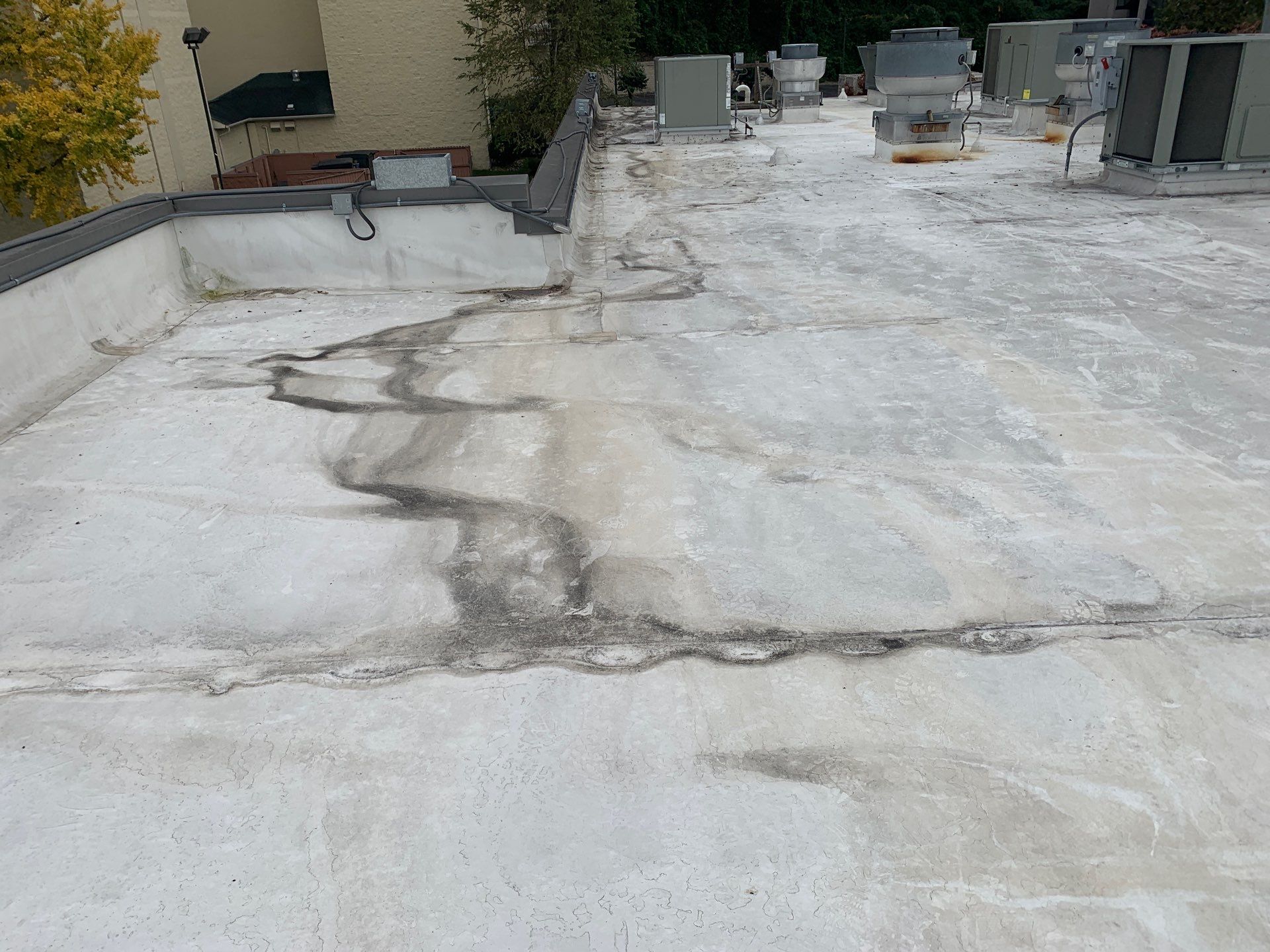
Hurricane Roof Damage Repair turns visible roof conditions into repair, maintenance, recover, or replacement options without generic brochure language.
View scope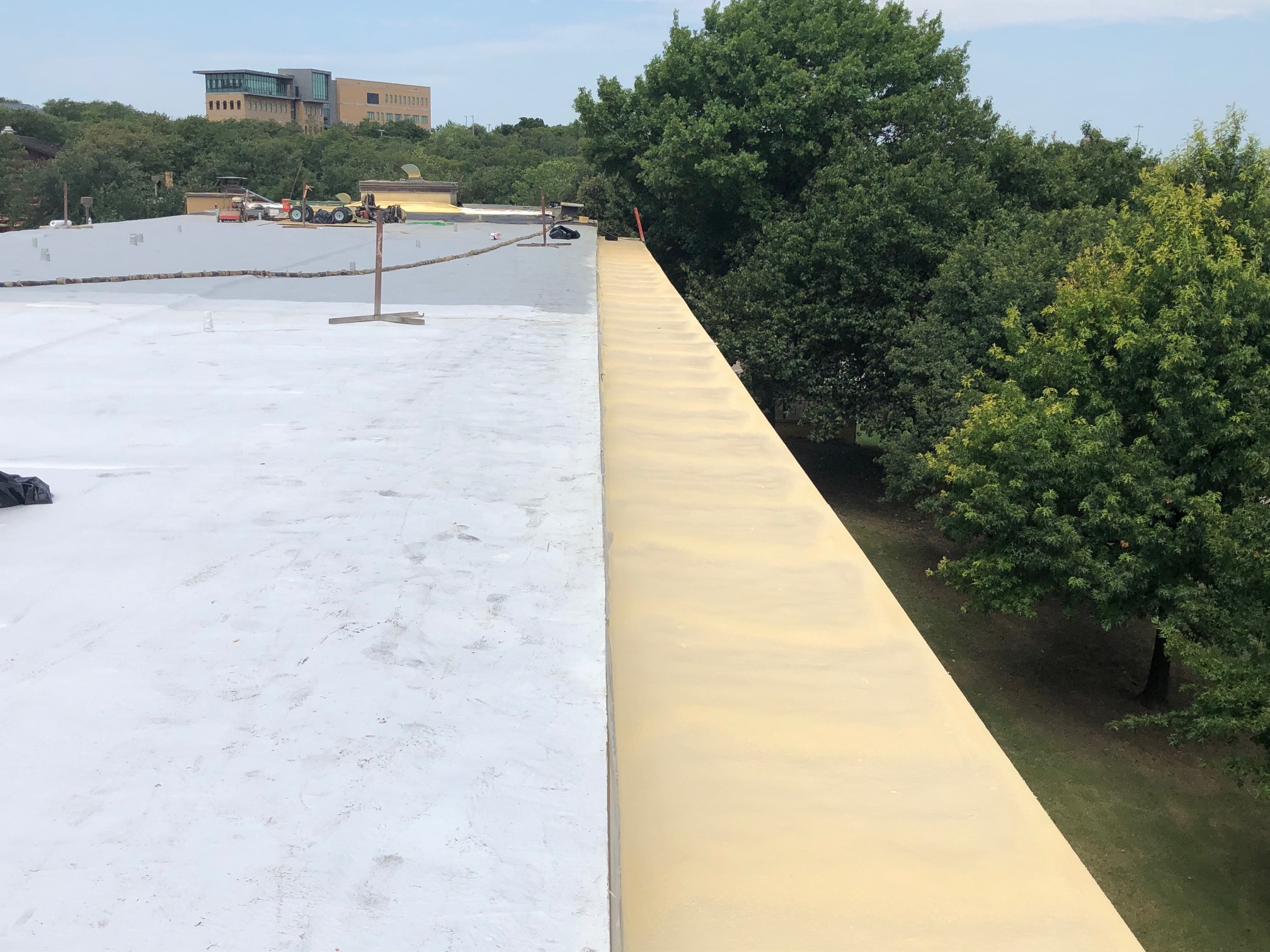
Wind Uplift Roof Repair helps property teams separate urgent work from capital planning with photos, notes, and a practical call path.
View scopeShare the building address, the roof concern, and any timing pressure. We will help frame the next roof scope.
Contact Commercial Roofers of West Palm Beach