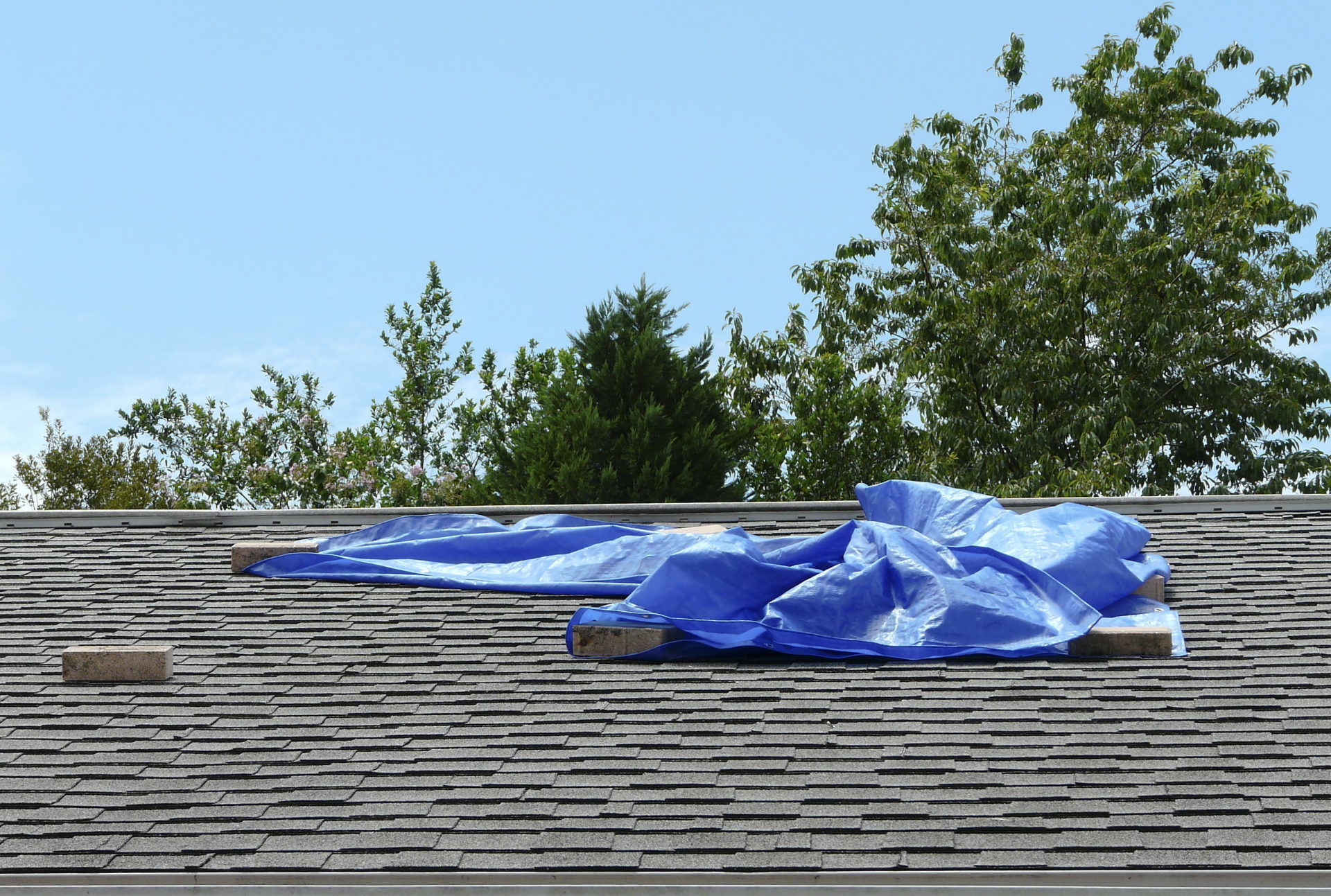
Commercial Roof Leak Repair
Commercial Roof Leak Repair keeps the first roof walk tied to leaks, drainage, edge conditions, and the roof file an owner can use.
View scope
Roof Services
Restaurant and Food Service Building Roofing in West Palm Beach starts with a practical roof walk, photo documentation, and a clear decision path for repair, maintenance, recover, or replacement work.
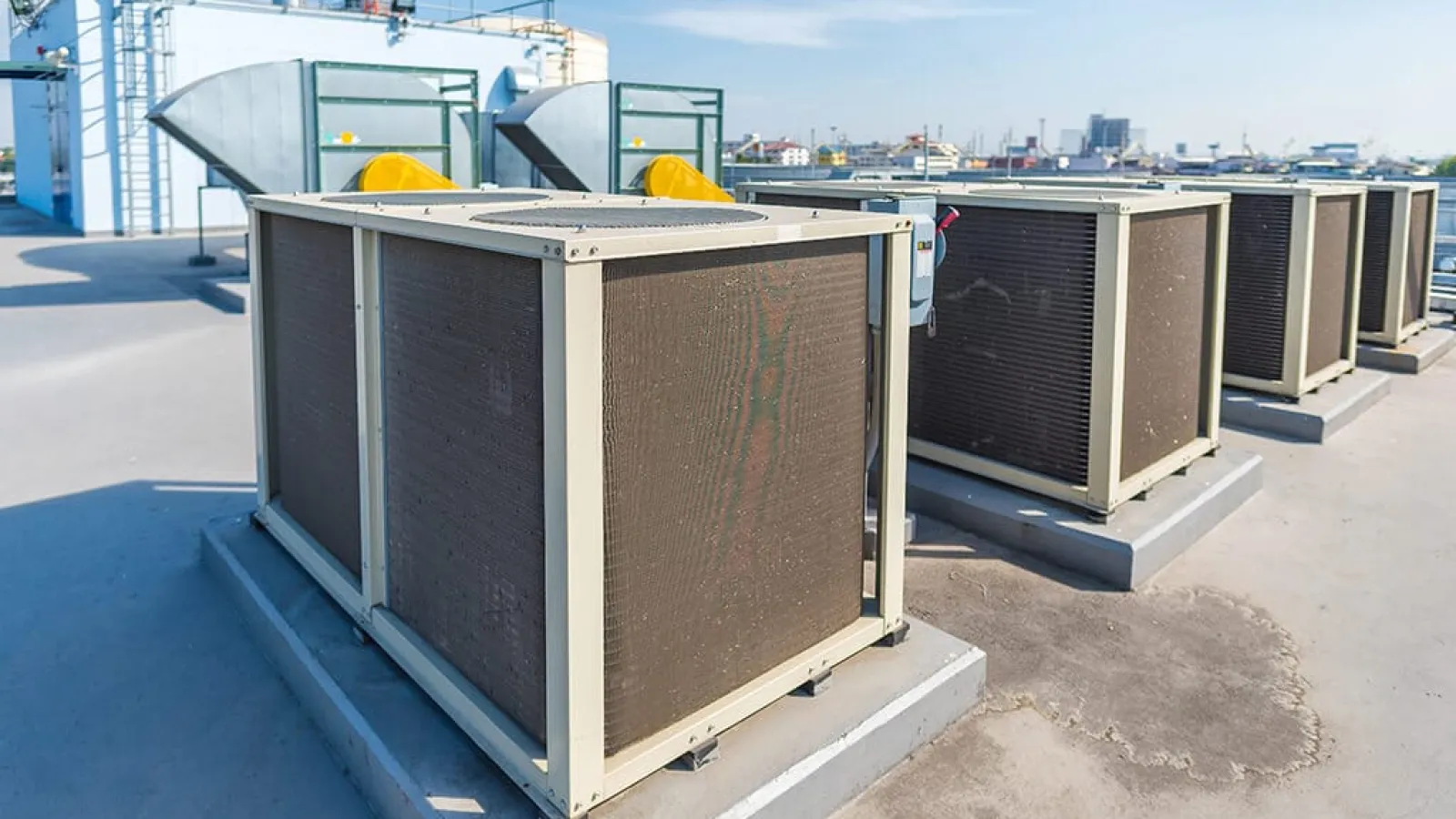
West Palm Beach anchors a dining market that draws both the year-round population of Palm Beach County and the seasonal influx of high-net-worth visitors from the Northeast and Midwest who arrive between October and April. Clematis Street's dining district, the CityPlace and Rosemary Square entertainment complexes, and the fast-casual and QSR corridors along Southern Boulevard and Okeechobee Boulevard all contribute to a food-service industry that operates at high intensity for at least ten months of the year. Beneath those busy kitchens, flat commercial roofs face some of the most demanding weather conditions in the continental United States—tropical heat and humidity, intense UV, afternoon thunderstorms from May through October, and direct hurricane exposure from Atlantic systems that threaten the Palm Beach coast on a seasonal basis.
Kitchen exhaust flashing at West Palm Beach restaurant roofs must be specified for Florida's High-Velocity Hurricane Zone standards, which impose wind uplift requirements that are substantially higher than most of the country. Exhaust curbs must be anchored to the structural deck with hardware rated for the applicable uplift load—not simply screwed to the top of the insulation layer—and the flashing seam between curb base and field membrane must use heat-welded or chemically bonded connections rather than standard caulk seams that will fatigue under hurricane-wind pressure cycling. A curb that survives a Category 2 event and allows only minor intrusion at its seam edge will cause far greater damage than its modest failure suggests when weeks of post-storm repair backlog leave the breach unaddressed.
PVC membrane systems are essentially the only defensible choice for West Palm Beach's full-service and QSR restaurant roofs, combining Florida Product Approval wind uplift compliance, grease-zone chemical resistance, and UV stability across the prolonged South Florida sun exposure season. Sixty-mil PVC, fully adhered at the field and with heat-welded seams and termination bars at all transitions, provides the system continuity that eliminates the individual mechanical fastener pullout risk that is the failure mode of most mechanically attached systems under design wind events. Palm Beach County building department inspection records confirm that fully adhered PVC systems account for a disproportionate share of surviving restaurant roofs in post-hurricane field studies.
The Northwood Village arts and dining district and the Antique Row corridor have concentrated independent restaurant and brewery concepts in older commercial buildings that predate Florida's current building code era. Many of those structures have roof assemblies that were installed under pre-Miami-Dade-era standards and will not meet current wind uplift requirements for new or replacement roofing without comprehensive substrate upgrades. Pre-project engineering assessments that evaluate existing deck fastening patterns and substrate condition are essential before a new PVC system is applied over an older assembly—a compliant membrane on a non-compliant substrate does not produce a compliant roof system.
Walk-in cooler and freezer installations at West Palm Beach restaurants face the most challenging vapor management environment in the Florida market. Palm Beach County's outdoor dew points from June through September consistently exceed seventy-three degrees, creating vapor pressure differentials at cooler penetration boundaries that exceed design assumptions for products specified to national averages. Closed-cell spray polyurethane foam at minimum two-inch thickness applied completely around cooler curb transitions, combined with vapor-retarder-faced insulation in the surrounding roof zone, is the minimum adequate vapor management detail for a South Florida cooler installation. Anything less produces condensation pathology within the first summer of operation.
Health inspections by the Florida Department of Business and Professional Regulation's Division of Hotels and Restaurants are active and regular in Palm Beach County's high-density dining market. The division's restaurant inspectors have become increasingly attentive to kitchen ventilation systems following fire incidents related to grease accumulation in duct systems across South Florida. West Palm Beach restaurant operators maintaining compliant hoods and ducts below the roof level should confirm that their rooftop exhaust curbs match—that the discharge point at the roof is unobstructed, properly aligned to the duct below, and sealed against re-entry of discharged grease residue. A compliance notice tied to ventilation performance is particularly damaging in Palm Beach County's competitive hospitality market.
National QSR franchise operators running Chick-fil-A, Starbucks, and Shake Shack locations in Palm Beach County's commercial corridors must work within both corporate facility specifications and Florida's High-Velocity Hurricane Zone requirements, which are among the strictest building codes in the country. The Chick-fil-A and Starbucks corporate construction standards have evolved to reflect Florida-specific requirements in most cases, but any deviation from the standard spec—whether required by the building department or the site's specific exposure category—must be documented in the warranty registration to preserve manufacturer coverage. A West Palm Beach contractor who holds active certifications for both Soprema and Sika Sarnafil PVC systems gives franchise operators the documentation breadth that both corporate and local requirements demand.
The winter season—October through April—is simultaneously the highest-demand period for West Palm Beach restaurants serving the seasonal visitor population and the period of greatest urgency for completing any deferred roofing work before the summer thunderstorm season begins. Operators who defer inspections and repairs through the winter season to avoid disrupting peak revenue service often find themselves competing for contractor capacity in May and June when every property in Palm Beach County that experienced winter rain events is scheduling repairs simultaneously. Pre-season inspections in September, before the snowbirds arrive and kitchen service ramps to peak levels, allow any identified issues to be addressed with the full range of contractor capacity available.
Long-term roof asset management for West Palm Beach restaurant operators should be driven by the reality that Florida's hurricane risk creates an annual probability of storm damage that does not exist in most North American markets. Maintaining a roof system that is demonstrably within Florida Product Approval specifications—with documentation on file for the specific assembly installed—is both an insurance compliance issue and a liability management issue. Insurers who discover that a claimed storm-damaged roof was installed outside its approved assembly may deny or reduce the claim, leaving the operator with uninsured loss on a building in one of the country's most expensive commercial real estate markets.
Commercial Roof Leak Repair keeps the first roof walk tied to leaks, drainage, edge conditions, and the roof file an owner can use.
View scope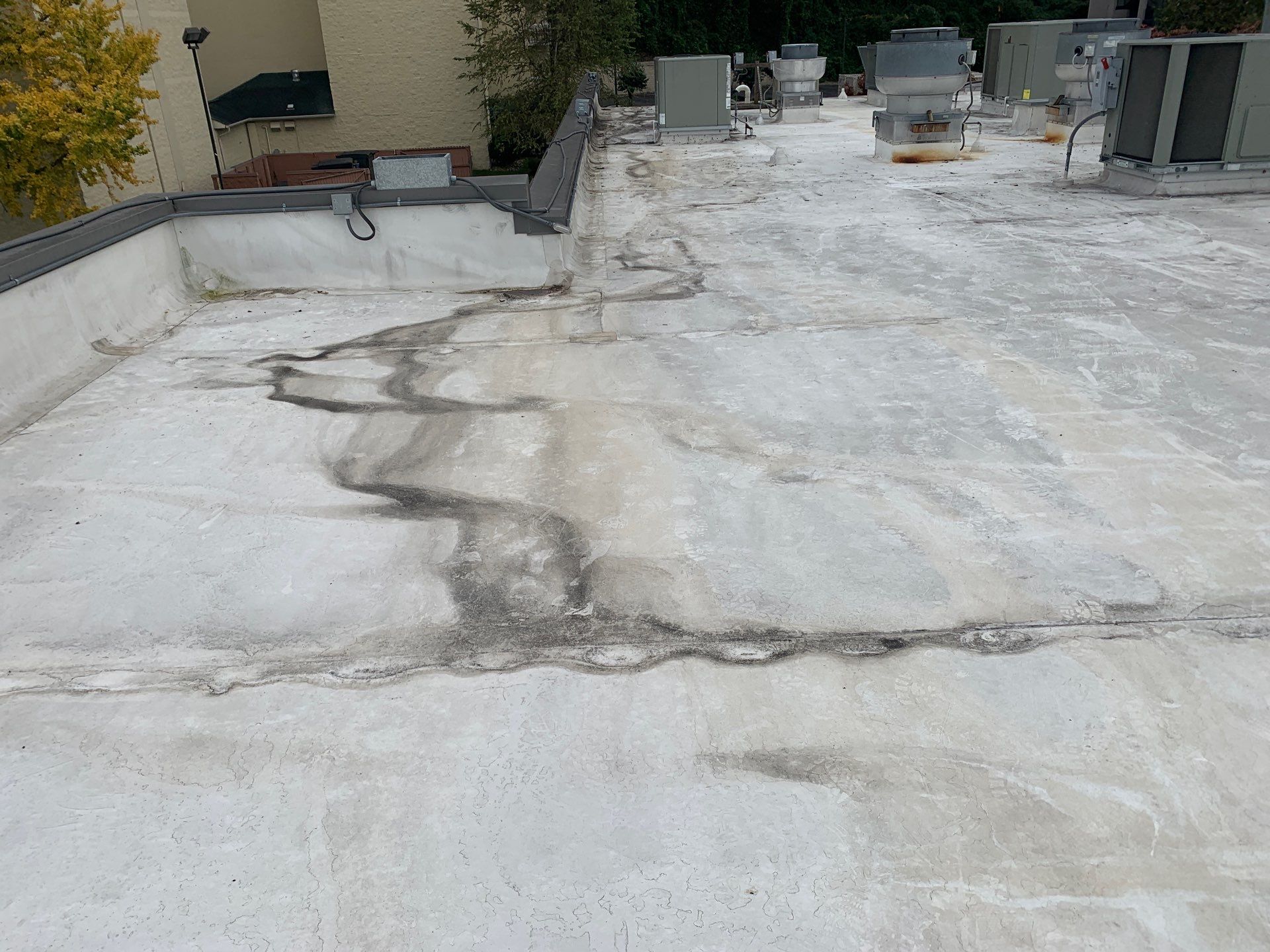
Hurricane Roof Damage Repair turns visible roof conditions into repair, maintenance, recover, or replacement options without generic brochure language.
View scope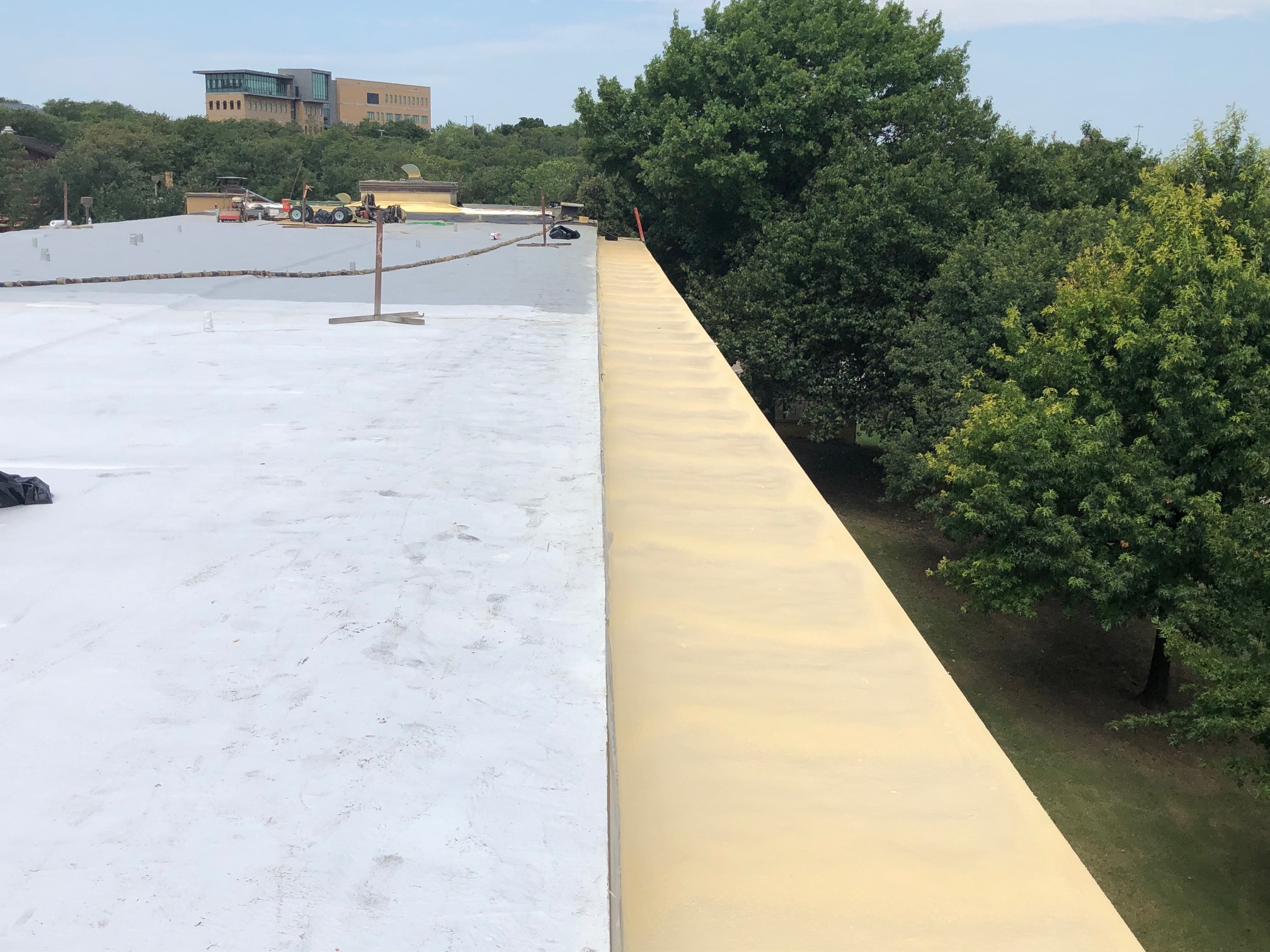
Wind Uplift Roof Repair helps property teams separate urgent work from capital planning with photos, notes, and a practical call path.
View scopeShare the building address, the roof concern, and any timing pressure. We will help frame the next roof scope.
Contact Commercial Roofers of West Palm Beach