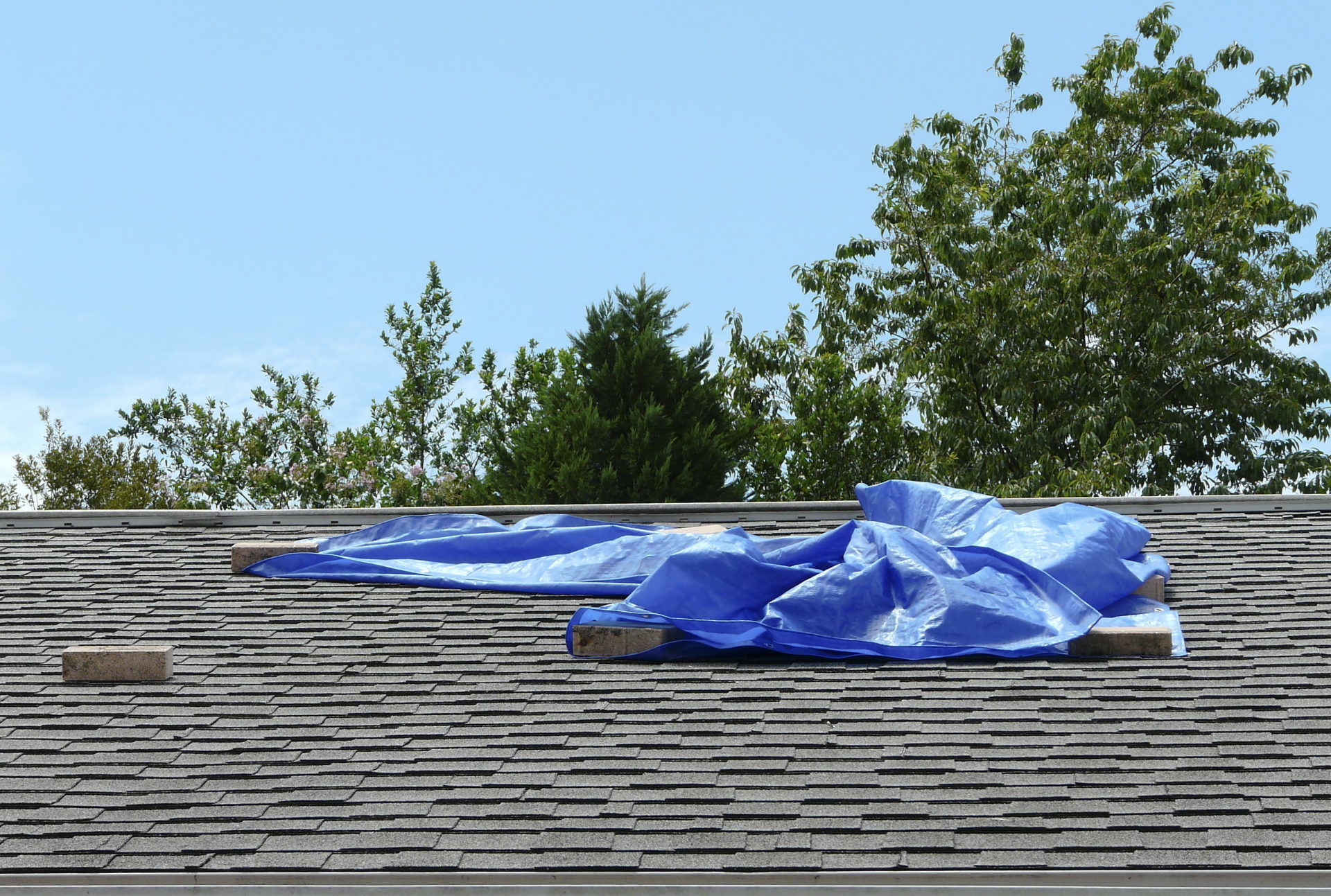
Commercial Roof Leak Repair
Commercial Roof Leak Repair keeps the first roof walk tied to leaks, drainage, edge conditions, and the roof file an owner can use.
View scope
Roof Services
Mixed-Use Development Roofing in West Palm Beach starts with a practical roof walk, photo documentation, and a clear decision path for repair, maintenance, recover, or replacement work.
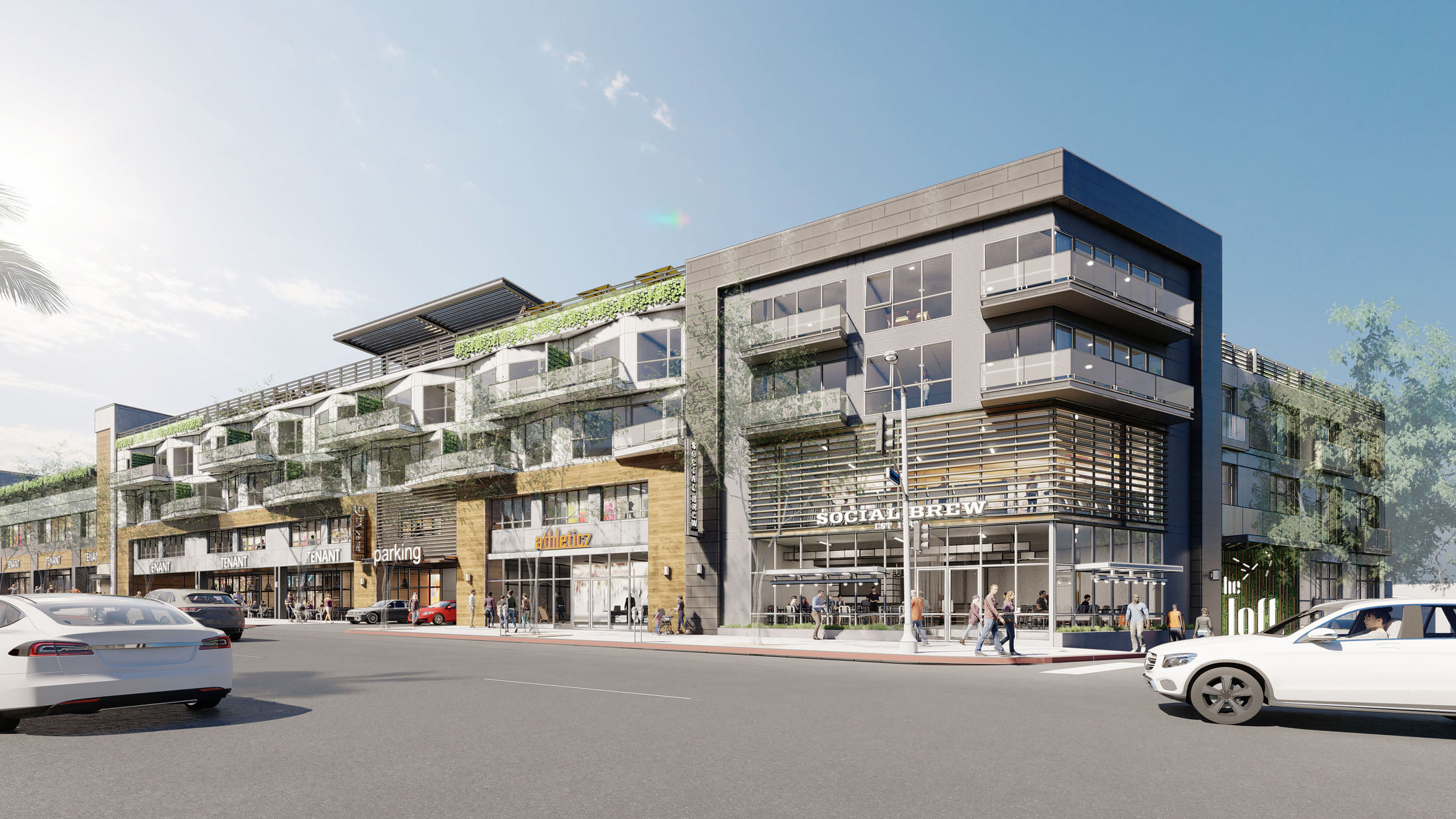
West Palm Beach has emerged as one of Florida's most dynamic mixed-use real estate markets, with the Rosemary Square redevelopment anchoring a downtown transformation that extends along Clematis Street, into the South Dixie Highway arts corridor, and north toward the new mixed-income development projects near Howard Park. The city's proximity to Palm Beach Island's wealth and its own Brightline train station have positioned it as a transit-oriented development anchor for Palm Beach County, and the mixed-use buildings rising in response to that positioning—stacking workforce and market-rate apartments above ground-floor restaurant, retail, and office uses—require roofing solutions calibrated for both the South Florida climate and the complex multi-stakeholder dynamics of urban mixed-use construction.
Palm Beach County's climate is among the most demanding in the country for roofing systems. West Palm Beach sits north of Miami but well within the zone of frequent tropical weather activity, averaging multiple tropical storm or hurricane influences per year and a potential major-hurricane landfall probability comparable to Miami-Dade's over any 50-year period. Florida Building Code wind pressures in Palm Beach County reflect Exposure Category C or D depending on the specific site's coastal proximity, and the high-rise mixed-use towers rising along the waterfront and Rosemary Square corridor require engineered wind-uplift calculations with fastening patterns differentiated across field, perimeter, and corner zones. South Florida's UV intensity—among the highest in the continental United States—accelerates membrane oxidation, and the summer wet season's near-daily storms produce the cumulative moisture loading that challenges every flashing termination on a multi-story mixed-use building.
The use-transition waterproofing challenge at the commercial-to-neighborhood boundary is intensified in West Palm Beach's entertainment-focused ground-floor tenant mix. Clematis Street and its adjacent blocks concentrate late-night dining, cocktail bars, and live music venues whose rooftop mechanical and exhaust penetrations operate at the hours when housing tenants above are most sensitive to both noise and any moisture intrusion from inadequate flashing. The combination of South Florida's humid air, high rainfall frequency, and the grease-laden vapor from restaurant exhaust stacks creates a particularly aggressive degradation environment for sealants at kitchen exhaust penetrations—elastomeric sealants with documented performance in Florida's conditions, applied annually before the wet season, are the maintenance standard for this building type in Palm Beach County.
Green roofs in West Palm Beach's mixed-use market serve both sustainability branding and practical stormwater management functions. The South Florida Water Management District's post-construction stormwater requirements apply to mixed-use development in Palm Beach County, and qualifying vegetated roofs can count toward on-site retention under certain review pathways. The urban heat island effect in downtown West Palm Beach is measurable—rooftop temperatures on unshaded dark membranes can exceed 175°F on July afternoons—and vegetated surfaces reduce both the cooling load on occupied floors below and the thermal cycling stress on adjacent membrane areas. Species selection must account for USDA Zone 10a heat and humidity tolerance, and the drainage composite must be designed for South Florida's intense wet-season precipitation, not the national average rainfall rate tables that undersized drain systems are sometimes specified from.
Rooftop amenity decks on West Palm Beach luxury mixed-use towers are elaborate year-round amenities rather than seasonal assets, with pools, outdoor kitchens, fire features, and lush planted zones that must function as premium living environments twelve months per year. The waterproofing assembly beneath a rooftop pool in South Florida's climate faces pool chemical exposure, intense UV at the water-line zone, the hydrostatic pressure of the full water column, and the thermal cycling between summer pool surface temperatures and cool winter nights. Polyurea elastomeric systems with documented chemical and UV resistance are the standard for West Palm Beach rooftop pools, and the structural engineer's dead-load confirmation for pool, equipment, and occupancy loading must precede the waterproofing specification to ensure the assembly design doesn't exceed the structural capacity of the deck below.
Fire-rated assemblies in West Palm Beach mixed-use buildings follow Florida Building Code Chapter 7 with Palm Beach County amendments. The county's building division, one of the larger and more technically sophisticated in the state, has become experienced with the specific fire-separation requirements at commercial entertainment to neighborhood boundaries, and their plan reviewers expect assembly documentation that references UL-listed assembly numbers with explicit material and thickness specifications. West Palm Beach mixed-use buildings that include both assembly-occupancy restaurant uses and neighborhood floors—a configuration prevalent along Clematis Street—must achieve the highest fire-separation ratings in the IBC hierarchy, and contractors who underspecify these assemblies to reduce cost will encounter correction notices that delay CO issuance.
Hurricane preparedness is a year-round operational reality for West Palm Beach mixed-use building owners and their roofing contractors. The 2004 and 2005 hurricane seasons, and the more recent Irma and Dorian events, have established the performance baseline against which all Palm Beach County mixed-use roof systems are evaluated by insurance underwriters. Membrane systems with documented FM or UL wind-uplift listings at the appropriate Palm Beach County exposure level, combined with annual pre-season inspection and manufacturer warranty documentation, are the minimum requirement for competitive insurance terms. Buildings on older modified bitumen systems that predate current wind-resistance requirements face increasing insurance pressure that often makes proactive reroofing economically sensible even when the membrane still appears functional.
The multi-stakeholder dynamics of West Palm Beach mixed-use ownership reflect the city's bifurcated real estate market: high-end luxury towers with institutional investor backing at one end, and LIHTC workforce housing mixed-use projects with multiple financing sources at the other. Both ownership structures require maintenance documentation that goes beyond a standard closeout package, but for different reasons. Luxury tower associations have board members who are sophisticated investors and will scrutinize warranty terms and maintenance protocols closely; LIHTC projects have compliance monitors who require annual documentation of building envelope condition as part of ongoing reporting. Contractors who can adapt their closeout documentation format to each audience provide a service that distinguishes them in a competitive Palm Beach County market.
West Palm Beach's development momentum—rooted in Brightline ridership growth, continued migration of financial services firms from the Northeast, and the Rosemary Square corridor's proven absorption of luxury neighborhood units—will sustain a substantial mixed-use roofing pipeline through the remainder of the decade. Contractors who can demonstrate Florida-licensed standing, documented wind-uplift engineering capability, rooftop pool waterproofing experience, and the multi-party documentation fluency that West Palm Beach's sophisticated ownership base demands will find consistent opportunity in Palm Beach County's most complex and valuable commercial roofing category.
Commercial Roof Leak Repair keeps the first roof walk tied to leaks, drainage, edge conditions, and the roof file an owner can use.
View scope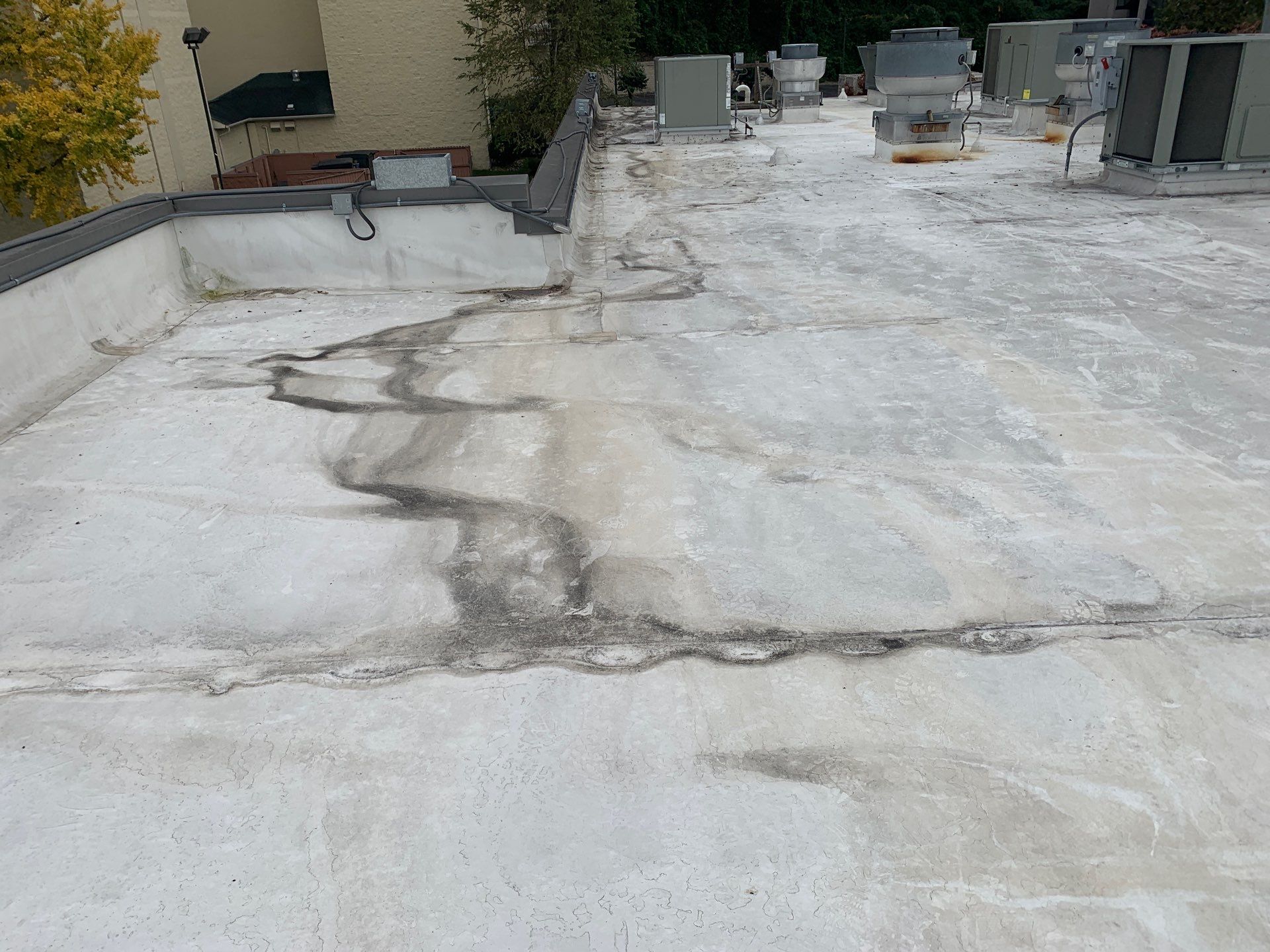
Hurricane Roof Damage Repair turns visible roof conditions into repair, maintenance, recover, or replacement options without generic brochure language.
View scope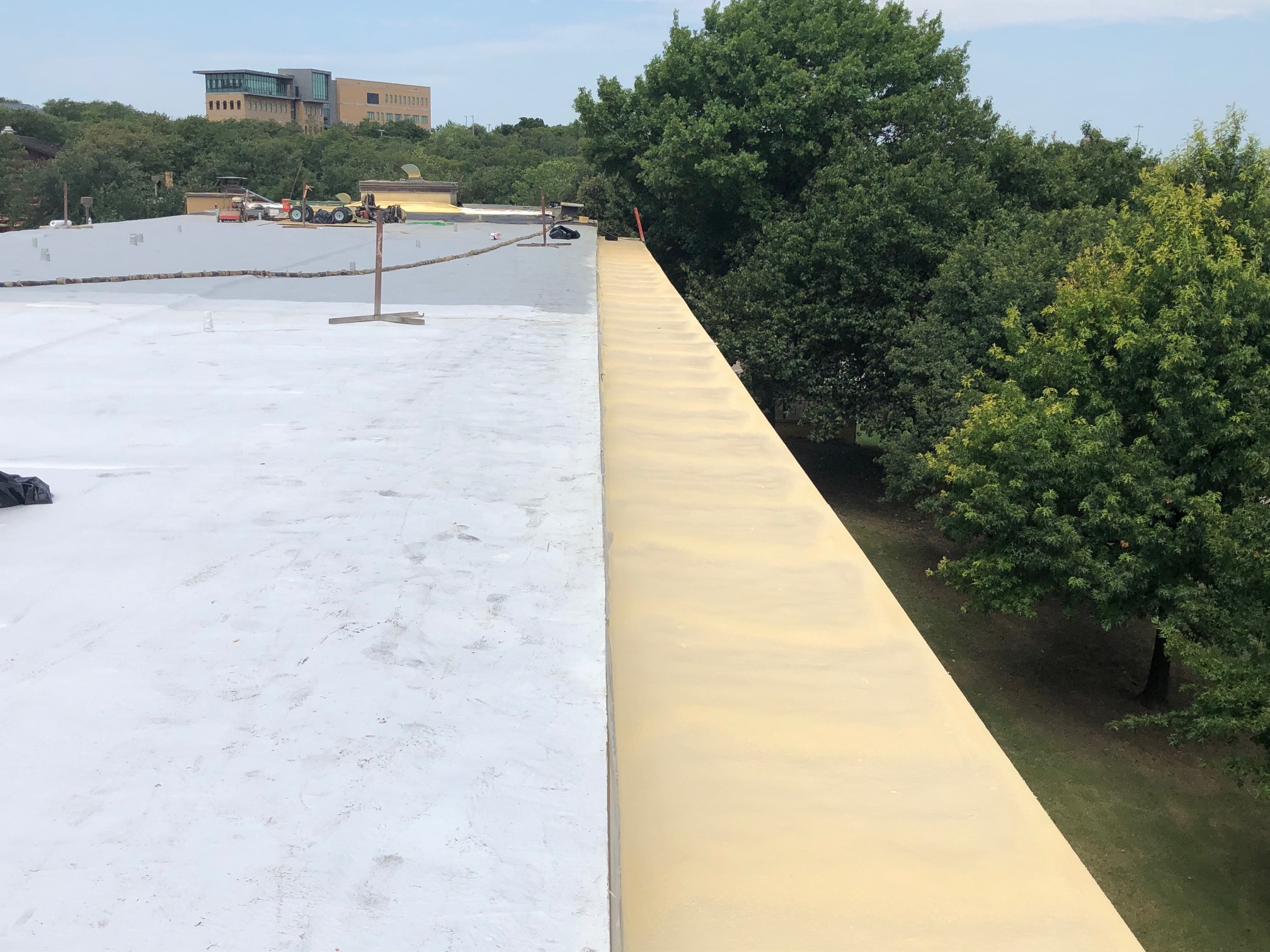
Wind Uplift Roof Repair helps property teams separate urgent work from capital planning with photos, notes, and a practical call path.
View scopeShare the building address, the roof concern, and any timing pressure. We will help frame the next roof scope.
Contact Commercial Roofers of West Palm Beach