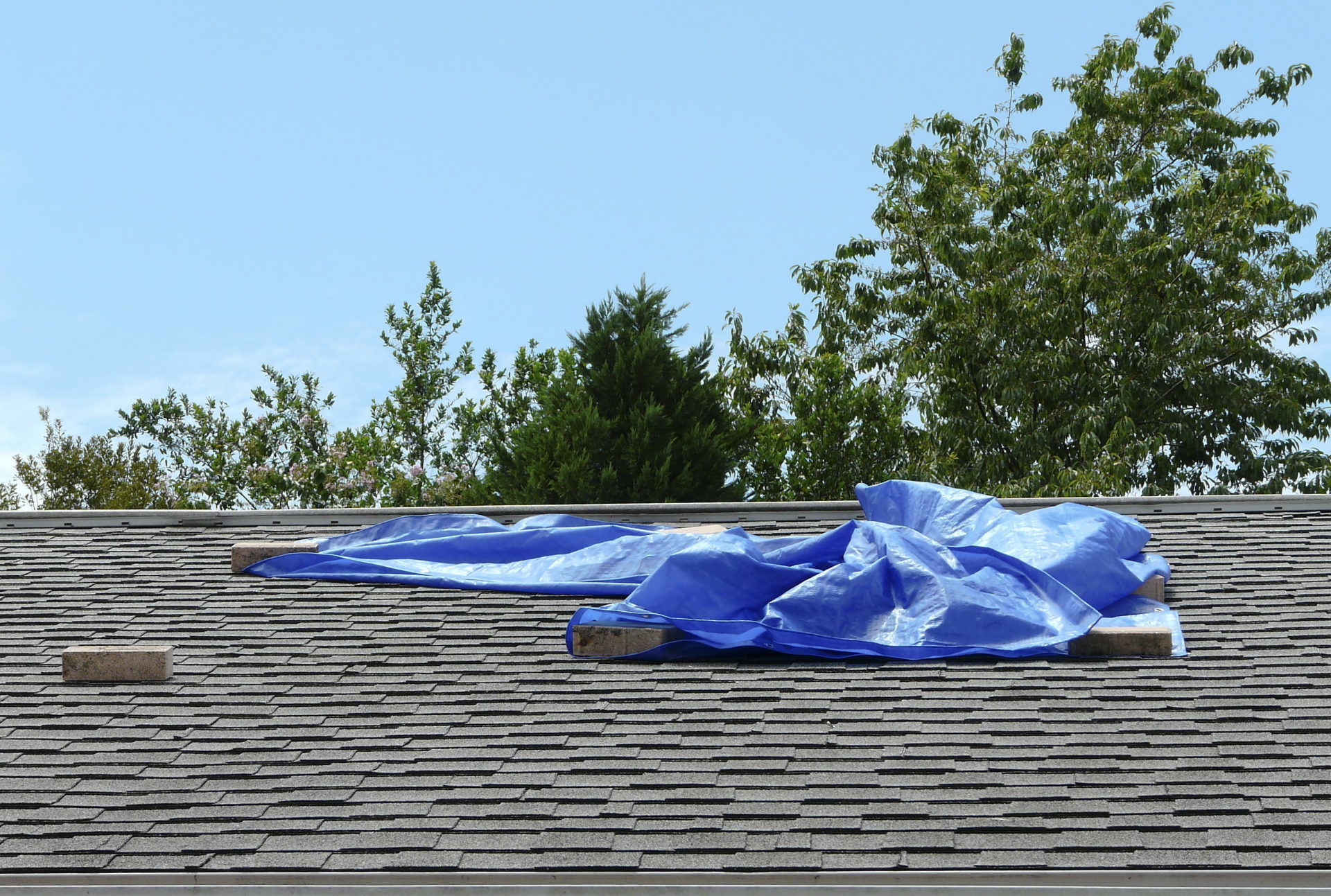
Commercial Roof Leak Repair
Commercial Roof Leak Repair keeps the first roof walk tied to leaks, drainage, edge conditions, and the roof file an owner can use.
View scope
Roof Services
Manufacturing Facility Roofing in West Palm Beach starts with a practical roof walk, photo documentation, and a clear decision path for repair, maintenance, recover, or replacement work.
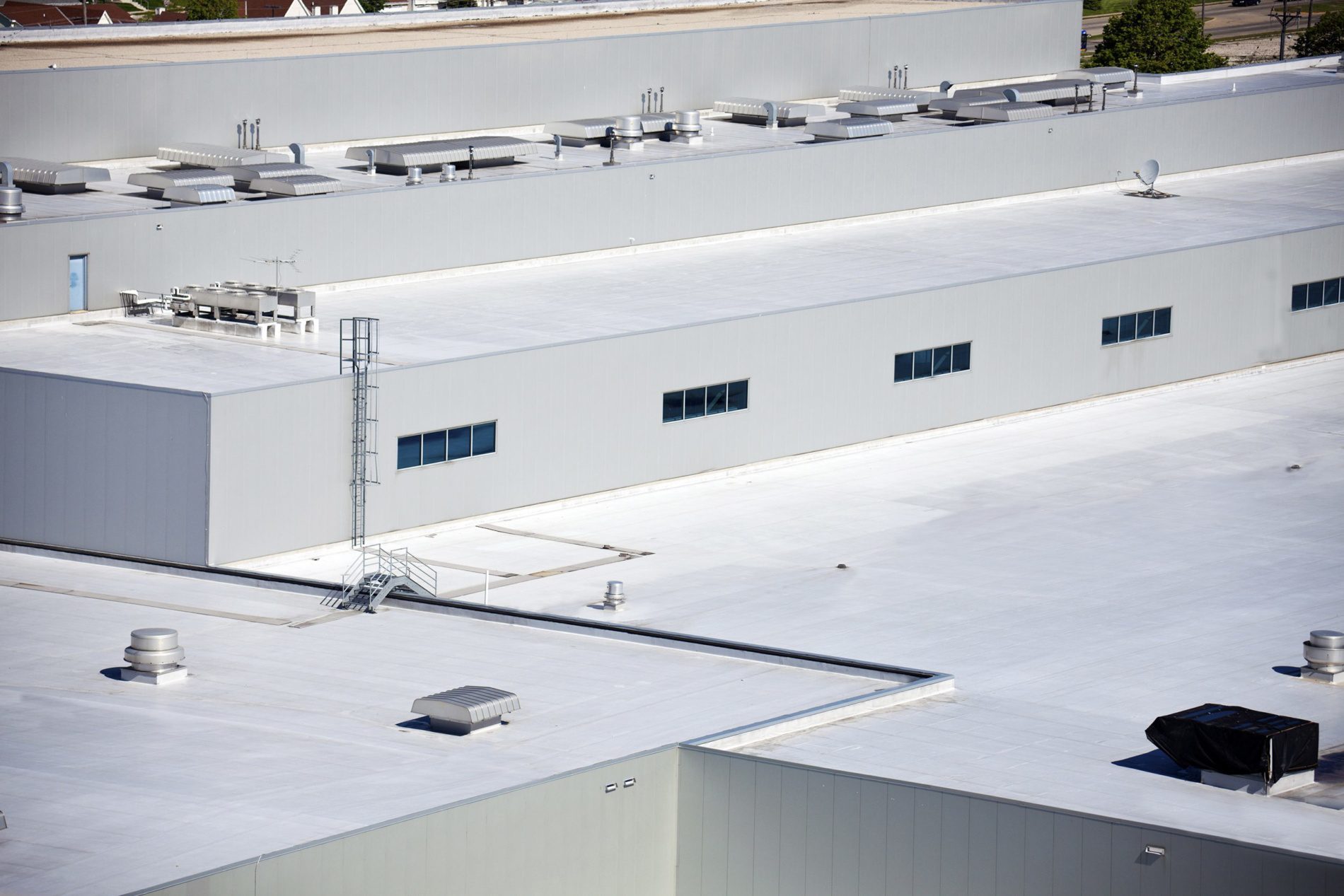
Pratt & Whitney, which maintains significant jet engine maintenance, repair, and overhaul operations in the Palm Beach County industrial corridor, anchors a South Florida manufacturing base that extends to medical device manufacturing, marine propulsion equipment, and aerospace component production. The West Palm Beach area's MRO and precision manufacturing sector faces roofing conditions defined by South Florida's hurricane exposure, extreme humidity, and the aggressive salt-air environment of the Atlantic coastal zone—conditions that make every material selection decision more consequential than in temperate inland markets.
Jet engine MRO operations generate an especially aggressive chemical environment at the roofline. Engine test runs and component cleaning operations use Jet-A fuel, hydraulic fluid, and specialty cleaning solvents that volatilize at the temperatures present during engine testing. The roofing above and adjacent to engine test cells must resist petroleum-based hydrocarbon exposure, and standard TPO membranes can show measurable plasticizer loss and surface degradation within a few years when exposed to continuous hydrocarbon vapor at the concentrations present near active test cells. Fully-adhered PVC membrane—which has superior resistance to petroleum-based solvents relative to TPO—is the industry-preferred choice for roofing immediately above jet engine test areas in the West Palm Beach MRO sector.
Hurricane wind design is the non-negotiable baseline for every manufacturing facility roofing project in the West Palm Beach area. Palm Beach County sits in the ASCE 7 160 mph basic wind speed zone, and Florida Building Code requires that all roofing systems meet or exceed the wind uplift ratings determined by the building's specific wind exposure and risk category. For manufacturing facilities classified as Risk Category III or IV—a classification that may apply to facilities producing critical defense or medical components—the design wind speed is further increased by the importance factor. The Florida Product Approval database is the authoritative source for approved roof assembly uplift ratings in Palm Beach County, and all roofing materials must carry current Florida Product Approval numbers to be used in permitted work.
Vibration from large turbine engine test stands and heavy machining operations in West Palm Beach MRO facilities creates the same deck-connection fatigue challenges seen in Wichita and Tulsa aerospace manufacturing. The additional complication in South Florida is that the high humidity environment accelerates corrosion of steel deck sections, and vibration-fatigued fasteners in a corroded deck can pull through the deck flute at load levels well below the manufacturer's tested uplift rating. Pre-project infrared thermography and invasive core sampling are standard practice before re-roofing any West Palm Beach aerospace MRO facility of significant age, because the combination of corrosion and vibration fatigue can reduce the effective uplift resistance of the existing deck system to a fraction of its original rating.
Salt air corrosion in West Palm Beach manufacturing is more severe than in inland Florida markets because of the proximity to the Atlantic and the prevailing onshore sea breeze that delivers chloride-laden air from the coast during most daytime hours. All metal roofing components—flashings, edge metal, drain hardware, vent caps, and fasteners—must be specified in Type 316 stainless steel or marine-grade aluminum for West Palm Beach manufacturing facilities. Hot-dip galvanized components, which are adequate in inland markets, typically show visible corrosion within 5-7 years of installation in the coastal West Palm Beach environment and may fail structurally within 10-12 years.
Skylights in West Palm Beach manufacturing facilities must meet the Florida Building Code's hurricane-impact requirements, which mandate that all skylights installed in the high-velocity hurricane zone be impact-rated to withstand large missile impact test criteria. Non-impact-rated skylights are not permitted to remain as part of a re-roofed building in Palm Beach County—they must be replaced with current impact-rated units or infilled with solid construction during the re-roofing project. This requirement adds cost to West Palm Beach manufacturing re-roofing projects that have numerous legacy non-impact skylights, but it also eliminates a significant building envelope vulnerability that could result in catastrophic interior damage and business interruption during a hurricane event.
Schedule coordination with West Palm Beach manufacturing facilities must include hurricane season awareness. The Atlantic hurricane season runs from June 1 through November 30, and the most active period for South Florida is August through October. Roofing projects with open-deck phases should be planned to avoid the peak hurricane season wherever possible, and any project that extends into the active season must have a written hurricane preparedness protocol specifying the trigger conditions for project suspension—typically a tropical storm watch for Palm Beach County—and the complete protection measures required before the crew leaves the site for an extended period.
South Florida's humidity creates a year-round condensation risk inside industrial buildings that are air-conditioned to protect precision components. The vapor drive from the high-humidity exterior toward the cool interior can move enormous quantities of moisture through the roofing assembly in both directions as seasons change, and vapor retarder analysis using Miami's Typical Meteorological Year data is required to determine whether above-deck or below-deck vapor retarders are appropriate. The conventional approach of installing a vapor retarder below the insulation—appropriate for cold-climate construction—is actually counterproductive in South Florida's hot-humid climate and can trap moisture in the insulation layer, causing rapid insulation degradation and deck corrosion.
Long-term maintenance agreements for West Palm Beach MRO and manufacturing facilities should include a post-hurricane inspection protocol that defines the inspection scope, documentation requirements, and claim-filing support services that the contractor will provide within 24 hours after a significant storm event. The relatively high frequency of tropical weather events in South Florida means that this protocol will actually be exercised—unlike similar provisions in most other US markets—and facilities that have pre-existing contractor relationships with defined post-storm protocols recover faster and document damage more effectively than those managing post-storm response ad hoc.
Commercial Roof Leak Repair keeps the first roof walk tied to leaks, drainage, edge conditions, and the roof file an owner can use.
View scope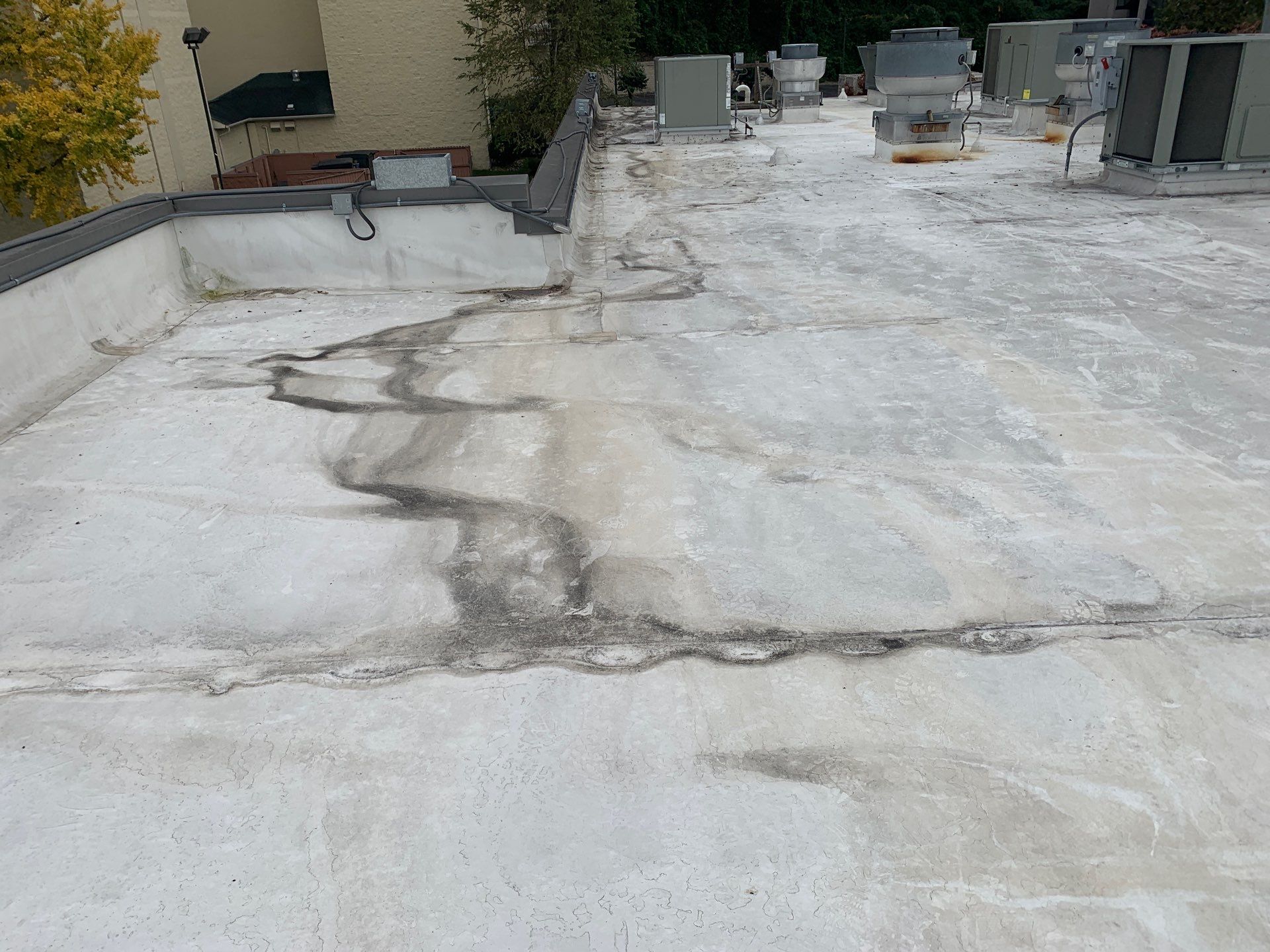
Hurricane Roof Damage Repair turns visible roof conditions into repair, maintenance, recover, or replacement options without generic brochure language.
View scope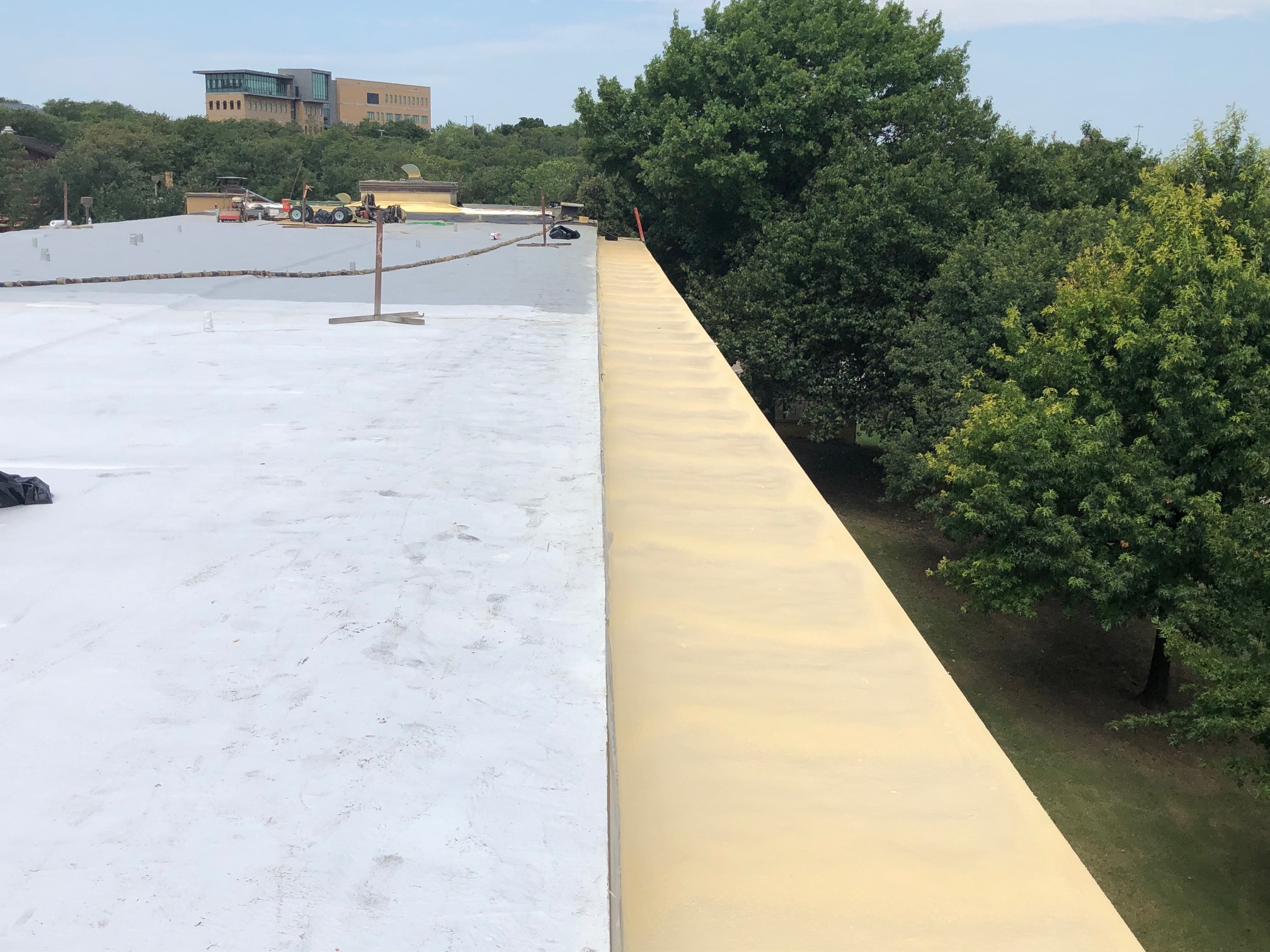
Wind Uplift Roof Repair helps property teams separate urgent work from capital planning with photos, notes, and a practical call path.
View scopeShare the building address, the roof concern, and any timing pressure. We will help frame the next roof scope.
Contact Commercial Roofers of West Palm Beach