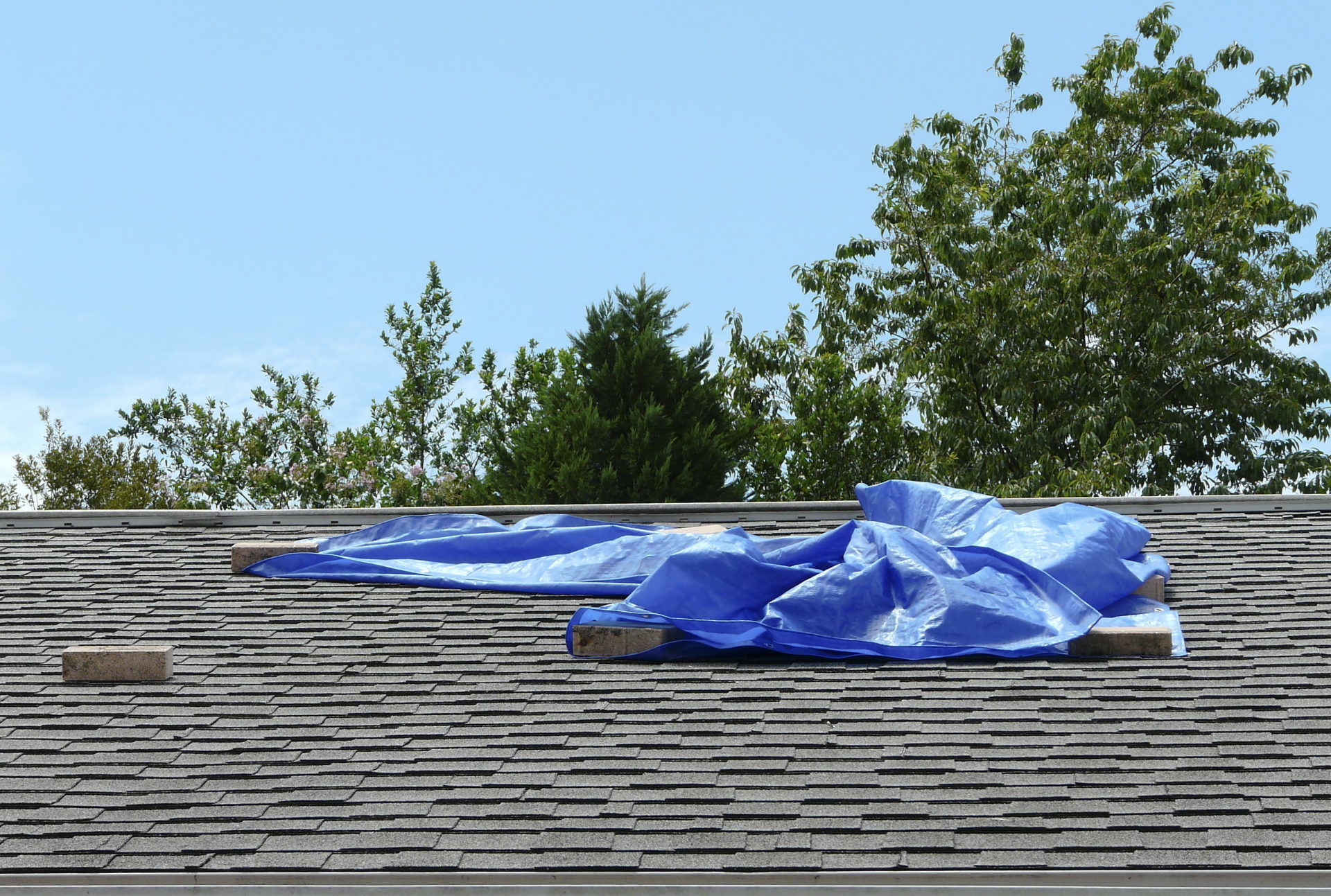
Commercial Roof Leak Repair
Commercial Roof Leak Repair keeps the first roof walk tied to leaks, drainage, edge conditions, and the roof file an owner can use.
View scope
Roof Services
Humidity & Trapped-Moisture Roof Repair in West Palm Beach starts with a practical roof walk, photo documentation, and a clear decision path for repair, maintenance, recover, or replacement work.
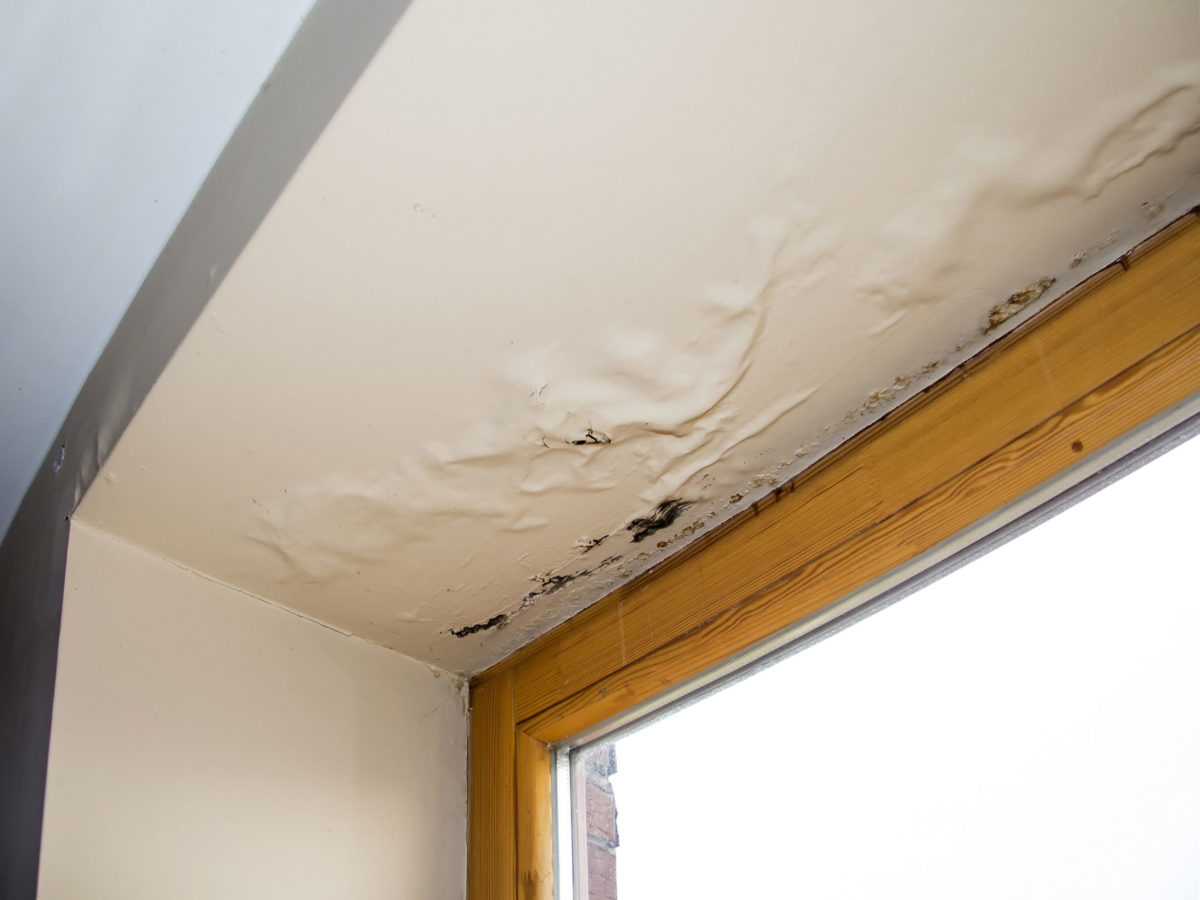
Ask most people to describe a roof leak and they will describe rain finding a hole. Humidity damage is the inverted version of that picture: the water is already inside the roof assembly, and much of it never passed through the membrane at all. In a climate as relentlessly humid as West Palm Beach's, water vapor pushes up out of conditioned interiors toward the roof deck around the clock. A walk-in cooler in a grocery off Okeechobee Boulevard, a kitchen or laundry tucked into a strip center near the Clematis Street district, a damp warehouse along the Australian Avenue industrial stretch, each one drives moist air toward a deck that is cooler on its underside. When that vapor reaches its dew point inside the insulation it condenses, and once it is there it has nowhere to drain. Across months and wet seasons it saturates the boards, blisters the membrane from beneath, and corrodes the steel deck, all without a single drop entering from above. By the time the trouble shows on the surface, it has almost always traveled well beyond the patch of roof you can actually see.
We handle humidity damage as a category of its own, separate from storm damage and separate from ordinary weathering, because the cure is genuinely different. Sealing the surface over wet insulation just locks the moisture in and guarantees a repeat. A real repair has to pull the water out, replace what it destroyed, and correct whatever let it pile up in the first place.
Trapped moisture announces itself through a recognizable cluster of symptoms, and reading them in combination is half the diagnosis.
We document each of these during the survey rather than chasing them as separate complaints, because taken together they describe exactly how far the moisture has migrated through the assembly.
You cannot repair wet insulation you cannot locate, and the worst of it hides beneath a membrane that still looks entirely serviceable. Infrared moisture scanning is our primary diagnostic tool. Saturated insulation retains the day's heat longer than the dry material surrounding it, so an evening thermal pass, flown or walked during the cool-down after sunset, lights up the wet zones as distinct warm areas while the dry field reads cool. We then verify those zones with physical core cuts, because the thermal image tells us where the water is but the core tells us how deep it sank, whether the deck has begun to rust, and which direction the vapor barrier is facing. In this climate we recommend an infrared survey on any commercial building that has gone three years without a documented one. Wet insulation caught early is a repair. Caught after it has eaten through the deck, it is a full replacement.
Trapped moisture is, more often than not, a building-physics failure, and the vapor retarder is where the physics goes wrong. The retarder is supposed to sit on the warm, humid side of the assembly so it intercepts vapor before that vapor can reach a layer cold enough to make it condense. In our hot, humid climate the dominant vapor drive runs upward, out of the conditioned interior, which means the retarder belongs low in the assembly near the deck, not buried up above the insulation. When a roof is built with the retarder on the wrong side, with one that has been punctured during a prior repair, or with no retarder at all, the assembly works against the building instead of with it and condenses water in precisely the place you least want it. This is exactly why recovering over a misbuilt assembly without correcting the vapor management just rebuilds the same trap inside a brand-new roof. We establish the retarder's position during the core cuts and design the repair around getting the building physics right, not merely getting the surface watertight for a season.
What the diagnosis allows depends entirely on how far the moisture has spread. When the infrared survey shows discrete wet zones in an otherwise dry roof, we can do targeted surgery: cut out the saturated insulation, set new dry board to match the existing slope and thickness, restore the membrane over the repair, and re-seal the surrounding flashings and edge metal. When wet insulation covers a large share of the roof, or when the cores expose corroded, perforated decking, repair stops being an honest recommendation and replacement is the right answer. We hand you the infrared report alongside a side-by-side comparison of repair versus replacement, so the decision rests on what the roof actually shows rather than on guesswork. Waiting almost never helps. A roof reading fifteen percent wet coverage, left alone through two more wet seasons, commonly comes back at forty to fifty percent on the next survey, turning a manageable repair into a tear-off, while the saturated insulation quietly inflates the cooling bill the entire time by conducting away the conditioned air you are paying FPL to produce.
Infrared scanning after sunset, when wet insulation still holds the day's heat and reads warmer than the dry field, followed by core cuts at the flagged zones to confirm depth, deck condition, and vapor-barrier position. The thermal pass points us to the water; the cores tell us how bad it actually is.
In our humid climate, vapor pushes upward out of the conditioned interior and condenses inside the insulation when it meets a cooler layer. A vapor retarder installed on the wrong side, punctured, or missing lets that happen, and the water accumulates with no rain event involved at all.
Yes, when the wet zones are discrete and the surrounding roof is dry. We cut out the saturated insulation, set dry board in its place, and restore the membrane and flashings. Replacement becomes the answer once wet coverage is widespread or the cores show the deck has corroded through.
Because that seals the water in and rebuilds the same trap. A lasting repair removes the moisture and corrects the vapor management that let it collect, rather than hiding the symptom on the surface for a season.
Quickly. Wet insulation spreads and provides no thermal resistance, so a roof at fifteen percent wet coverage can reach forty to fifty percent within two more seasons while raising your cooling costs the entire time, turning a contained repair into a full replacement.
Commercial Roof Leak Repair keeps the first roof walk tied to leaks, drainage, edge conditions, and the roof file an owner can use.
View scope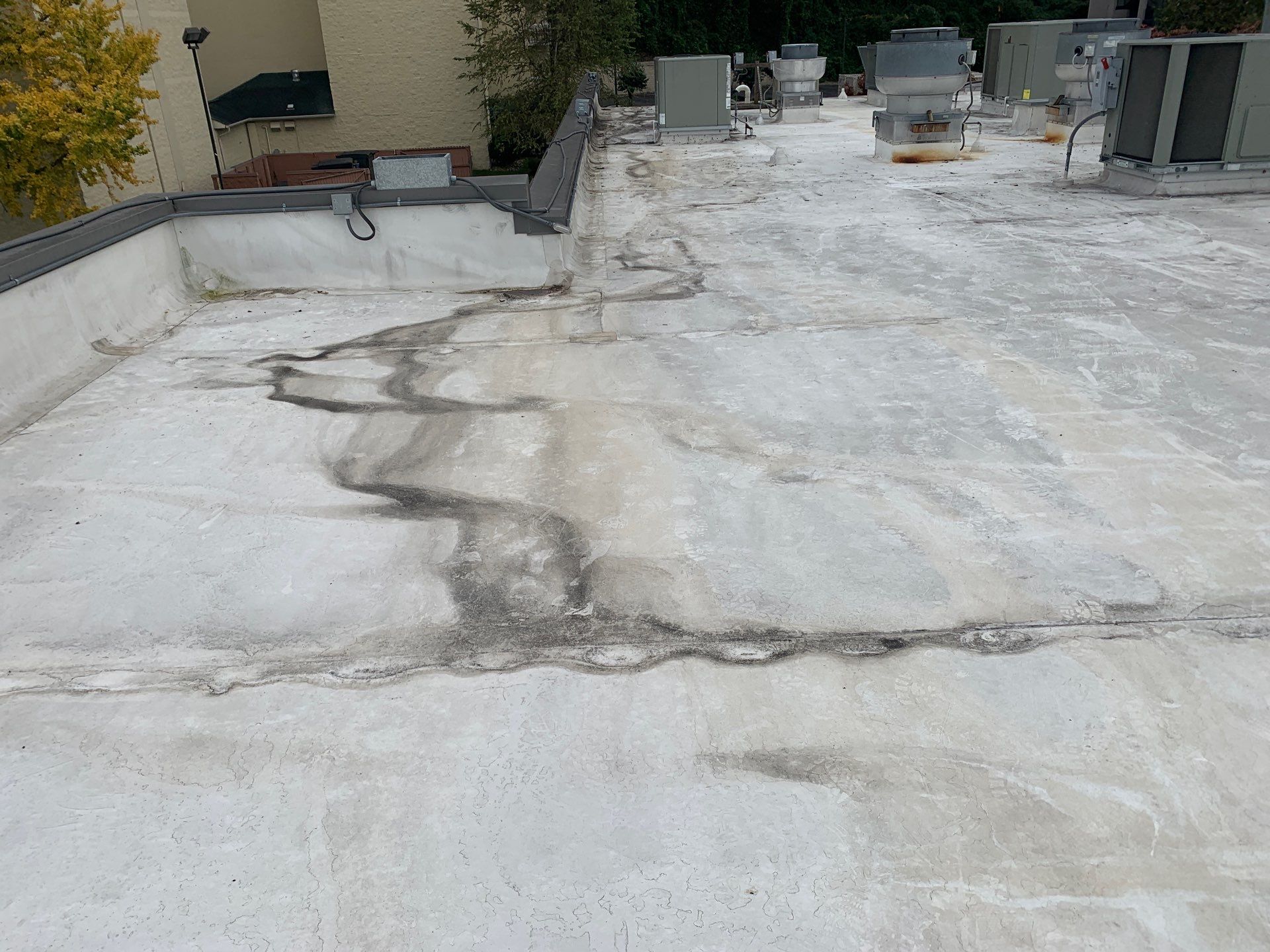
Hurricane Roof Damage Repair turns visible roof conditions into repair, maintenance, recover, or replacement options without generic brochure language.
View scope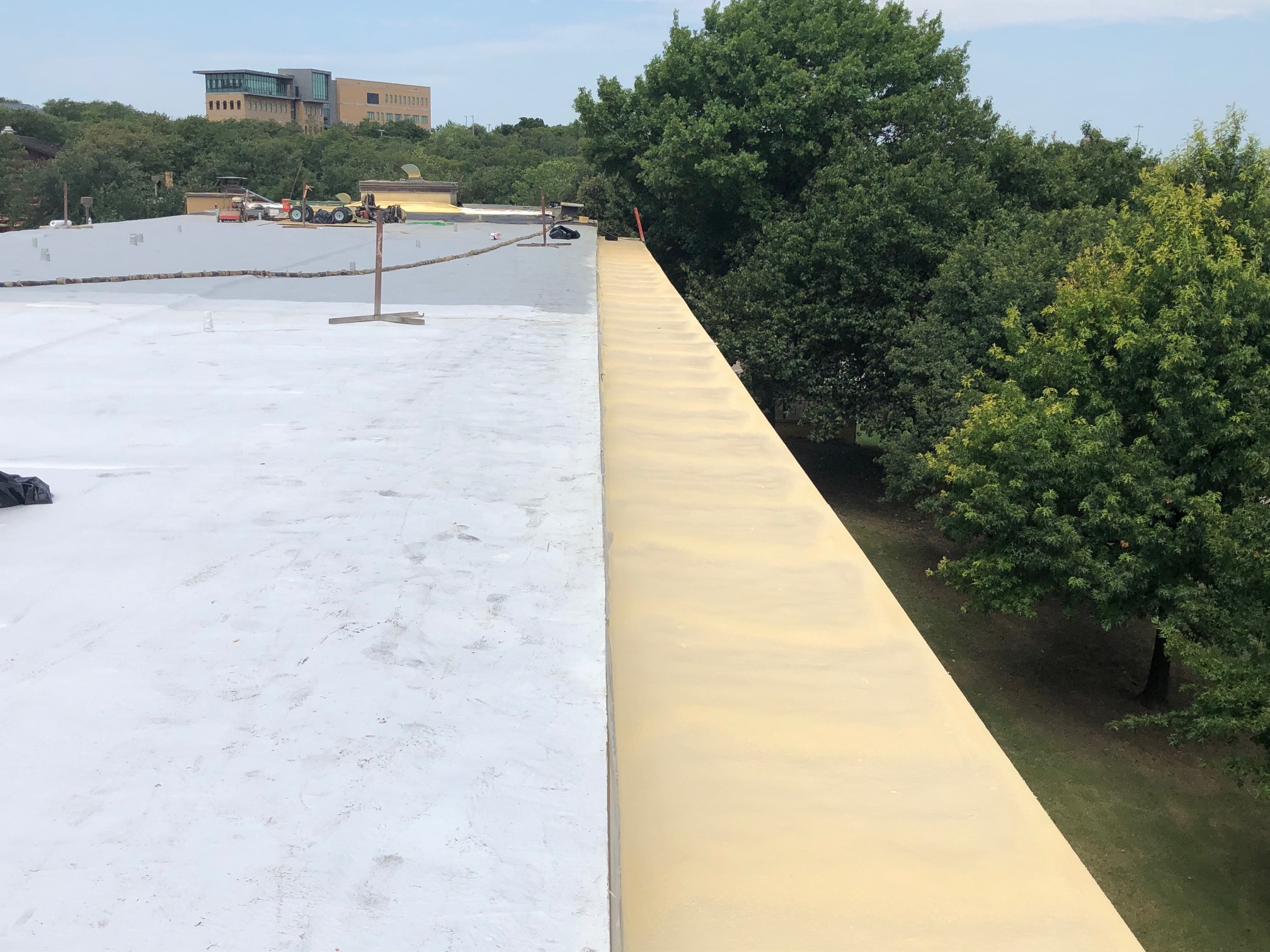
Wind Uplift Roof Repair helps property teams separate urgent work from capital planning with photos, notes, and a practical call path.
View scopeShare the building address, the roof concern, and any timing pressure. We will help frame the next roof scope.
Contact Commercial Roofers of West Palm Beach