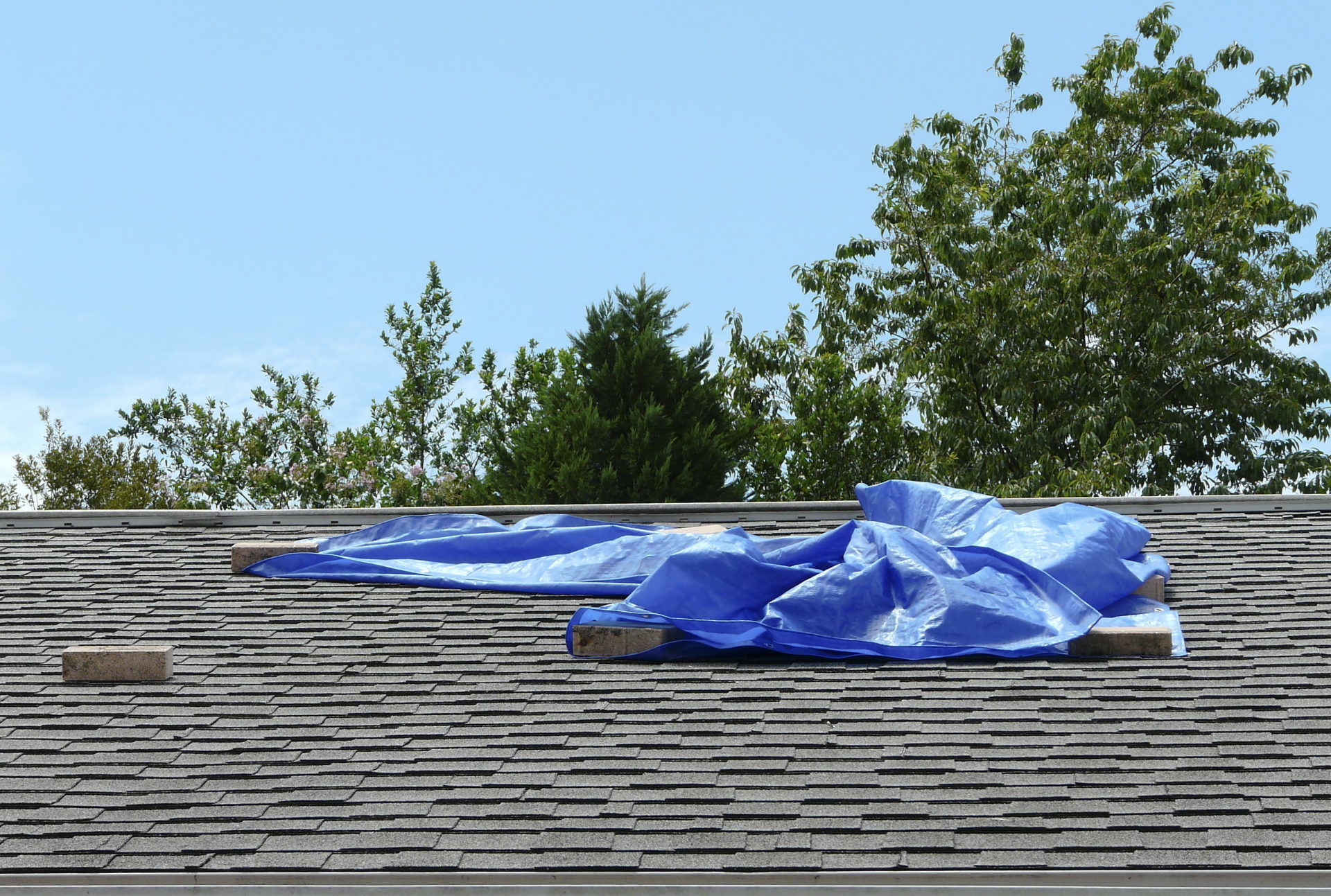
Commercial Roof Leak Repair
Commercial Roof Leak Repair keeps the first roof walk tied to leaks, drainage, edge conditions, and the roof file an owner can use.
View scope
Roof Services
Hotel and Hospitality Property Roofing in West Palm Beach starts with a practical roof walk, photo documentation, and a clear decision path for repair, maintenance, recover, or replacement work.
West Palm Beach's hospitality market sits at the intersection of Palm Beach's concentrated luxury tourism, the Brightline rail corridor that has opened new travel patterns from Miami and Orlando, and the city's own emerging identity as a destination for art, dining, and cultural tourism driven by venues like Clematis Street, the Kravis Center for the Performing Arts, and the Norton Museum of Art. The hotel inventory spans from the ultra-luxury properties of Palm Beach Island — a short bridge crossing from downtown — to the full-service convention hotels and select-service properties along Australian Avenue and the I-95 corridor. For every segment, the tropical climate creates roofing demands that must be addressed with materials and methods suited to South Florida's specific conditions.
South Florida wind and hurricane exposure defines the performance baseline for West Palm Beach hotel roofing. Palm Beach County falls within the High Velocity Hurricane Zone as defined by the Florida Building Code, which imposes the most stringent roofing installation requirements in the United States. Every component of a hotel roof assembly — membrane, adhesive, fastener, and flashing — must meet HVHZ product approvals, and the installation must be performed by contractors with Miami-Dade approved installer certifications. We maintain current HVHZ qualifications and install only code-compliant assemblies for West Palm Beach hotel properties, providing the Notice of Acceptance documentation that the county's building department requires and that insurance carriers increasingly demand at policy renewal.
Property improvement plans for West Palm Beach's flagged hotel properties have become more focused on building envelope performance as the major brands update their assessment protocols in response to post-hurricane damage claims. A Marriott or Hilton property undergoing a PIP review in Palm Beach County today will face questions about roof system age, wind uplift ratings, and whether the current system meets HVHZ standards that may not have applied when the building was originally permitted. Bringing an older hotel roof into HVHZ compliance as part of a PIP scope has benefits beyond brand satisfaction: it can materially affect insurance premium calculations and carrier willingness to underwrite the property at all in Florida's challenging property insurance market.
Heat and UV intensity in West Palm Beach are among the highest in the continental United States. A roofing membrane at this latitude receives solar radiation that can degrade materials two to three times faster than the same membrane would degrade in a northern climate. White reflective TPO and EPDM coatings are the standard specification for hotel re-roofing in this market because they limit surface temperature accumulation and resist the UV-driven chemical breakdown that causes older dark membranes to become brittle and crack. The Florida Power & Light commercial rebate program for energy-efficient roofing upgrades provides an additional financial incentive for West Palm Beach hotel operators making the transition to reflective systems.
Pool enclosure and outdoor amenity roofing is particularly significant for West Palm Beach hotels, where outdoor living is a year-round feature rather than a seasonal option. Hotels competing for the winter snowbird market emphasize their pool and outdoor environments in every marketing channel, and a deteriorating pool enclosure roof or a rooftop bar with drainage problems is a direct guest satisfaction failure during peak season. We have specific protocols for pool enclosure waterproofing in South Florida's environment, including chemical-resistant membrane specifications, stainless hardware for all penetrations, and drainage designs that account for Florida's intense summer rainfall rates — sometimes exceeding three inches per hour — rather than national average rainfall assumptions.
The summer rainy season in West Palm Beach runs from June through September and delivers regular afternoon thunderstorms of extraordinary intensity. Hotel roofs that have accumulated surface debris, have partially blocked drains, or have minor seam openings that have not caused interior events during the dry season will be tested severely when the summer rain cycle begins. Our pre-rainy-season maintenance program — scheduled in May to catch the window before the first serious storms — prioritizes drain clearing, seam inspection, and flashing checks at all roof penetrations. This program has prevented interior water events at several West Palm Beach hotel properties where deferred drain maintenance would otherwise have created flooding in lobbies and corridors during summer peak occupancy.
Minimizing construction disruption at West Palm Beach hotels requires sensitivity to both the winter snowbird season, when January through March occupancy is at its annual peak, and the summer rain constraints that make open membrane work risky. The practical window for significant re-roofing work on occupied West Palm Beach hotels is a narrow band from late September through mid-November and again in April and May. Properties that plan ahead and mobilize our crews during these windows avoid both the snowbird demand peak and the summer rain risk. Our project scheduling tools allow us to model multi-week construction timelines against Palm Beach County historical weather data and occupancy calendars to find the optimal project window.
Emergency response is a critical capability in the West Palm Beach hotel market given the frequency and severity of tropical weather events. When a named storm threatens Palm Beach County, hotel operators face the simultaneous demands of storm preparation, potential guest evacuation support, and pre-storm roofing inspection to identify vulnerabilities that could become failures under storm conditions. We offer pre-storm roofing inspections and emergency securing services as a priority service to our maintenance contract clients. Post-storm, we mobilize quickly for damage documentation, temporary protection, and repair scoping, with the carrier-compatible documentation format that Florida's commercial property insurance claims process requires.
West Palm Beach hotel operators who invest in HVHZ-compliant, reflective roofing systems maintained under documented service contracts are building a competitive advantage in an insurance market that is actively re-evaluating South Florida commercial property risk. Properties with verifiable code compliance, current inspection records, and contractor relationships that can support carrier underwriting inquiries consistently report better insurance renewal outcomes than those presenting incomplete documentation or deferred maintenance records. Our work is designed to serve your guests, protect your building, and strengthen the documentation profile that defines your property's risk position in Florida's demanding property insurance environment.
Commercial Roof Leak Repair keeps the first roof walk tied to leaks, drainage, edge conditions, and the roof file an owner can use.
View scope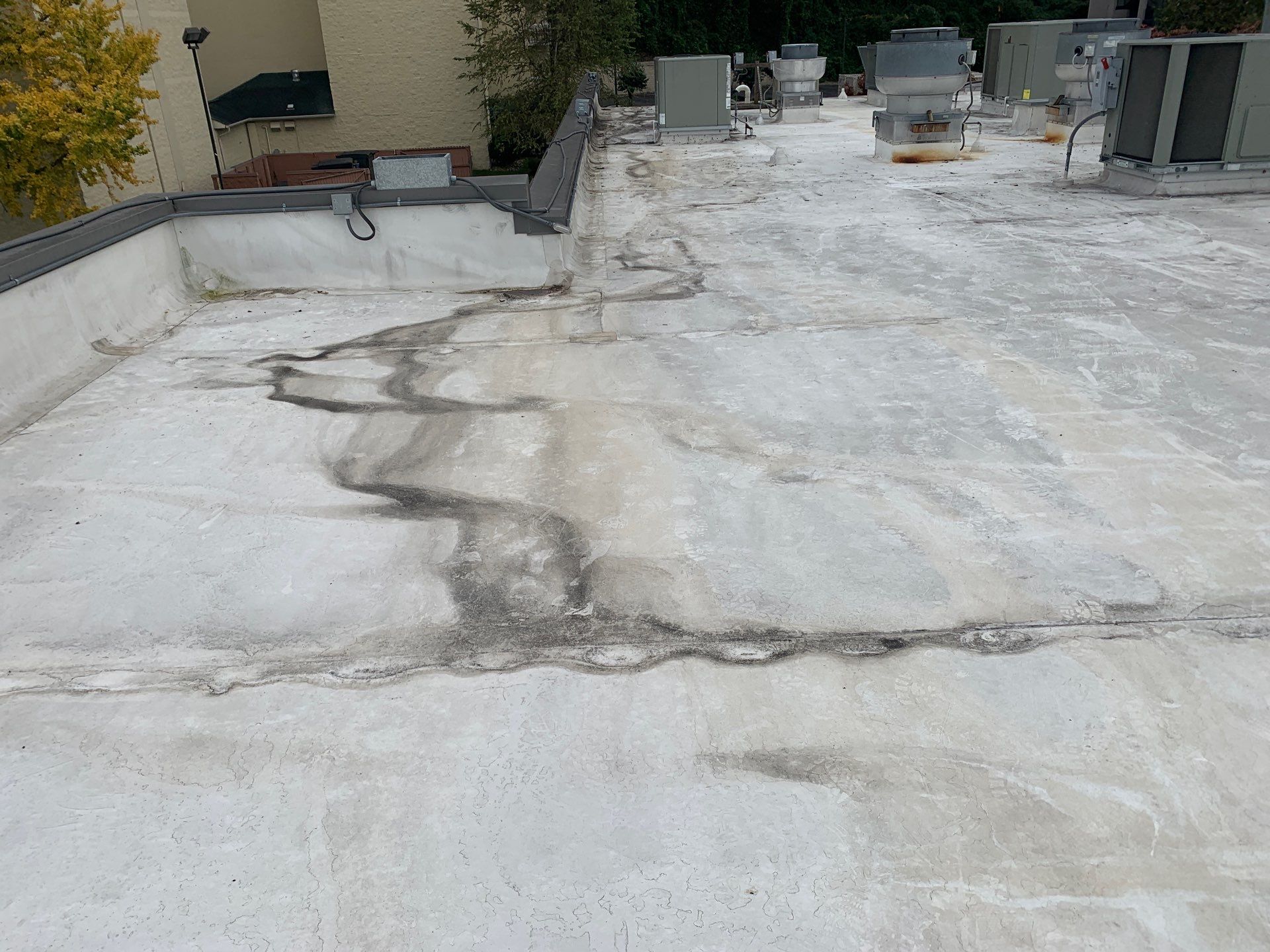
Hurricane Roof Damage Repair turns visible roof conditions into repair, maintenance, recover, or replacement options without generic brochure language.
View scope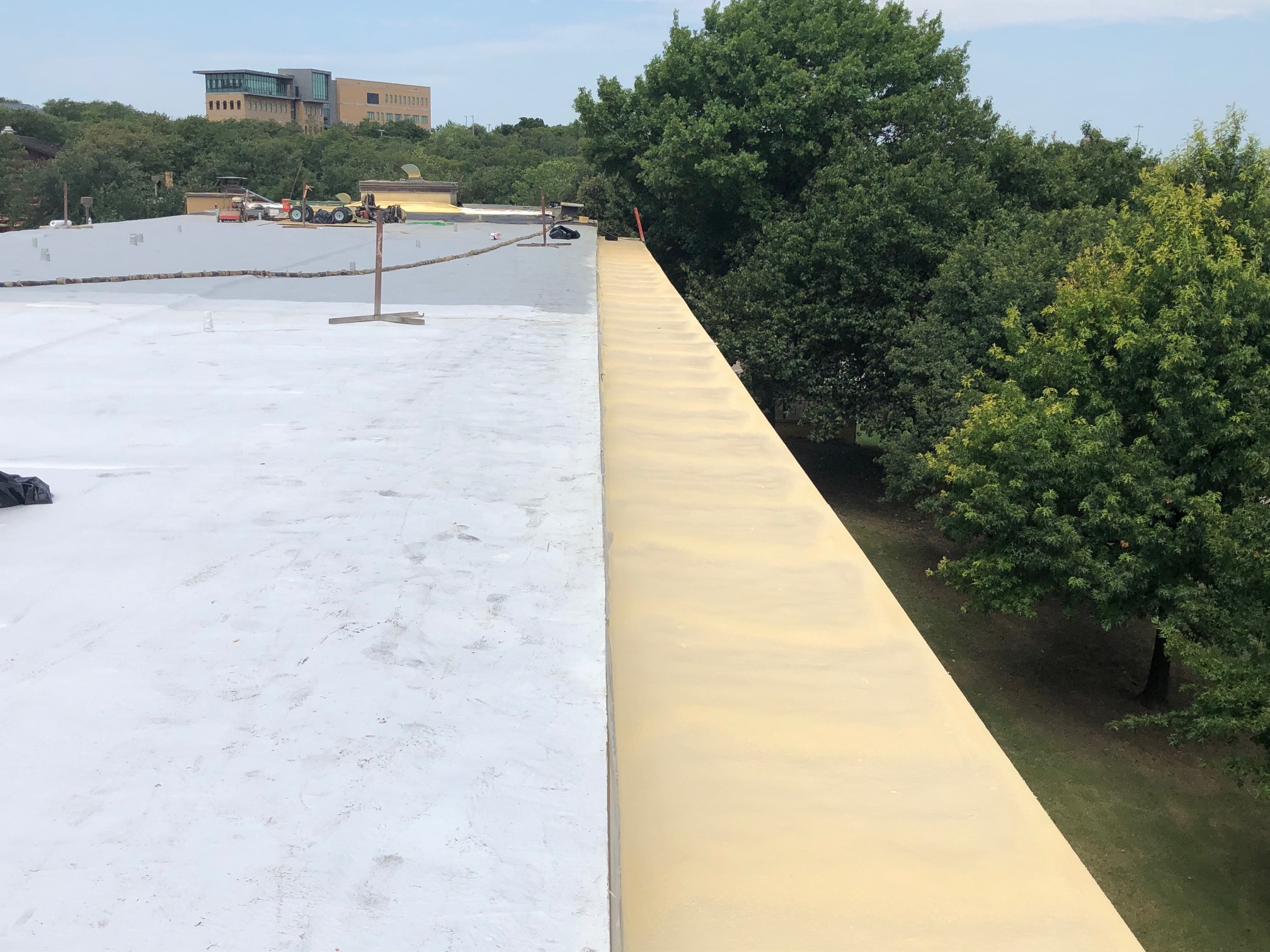
Wind Uplift Roof Repair helps property teams separate urgent work from capital planning with photos, notes, and a practical call path.
View scopeShare the building address, the roof concern, and any timing pressure. We will help frame the next roof scope.
Contact Commercial Roofers of West Palm Beach