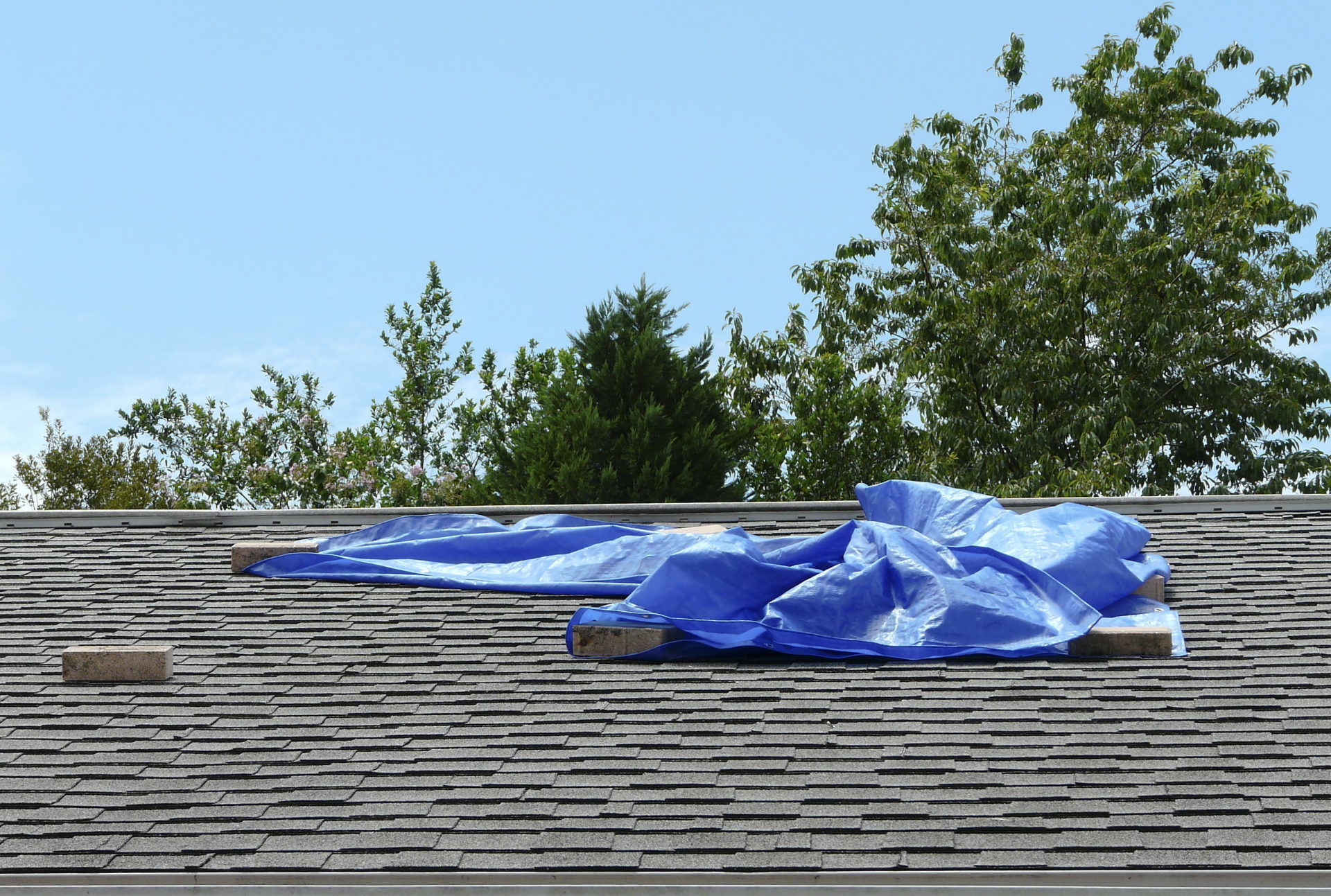
Commercial Roof Leak Repair
Commercial Roof Leak Repair keeps the first roof walk tied to leaks, drainage, edge conditions, and the roof file an owner can use.
View scope
Local weather advisory
The National Weather Service has issued a coastal flood advisory covering Jupiter. Heavy rain and drainage loading can expose roof leaks, blocked drains, and ponding water. This is a weather exposure advisory; it does not establish damage to a specific roof.
Do not access a roof during hazardous weather. Protect people first, avoid water near electrical equipment, and request roofing help when conditions permit.
National Weather Service · Updated Sep 26, 2026, 11:34 PM UTC
Roof Services
Drone & Thermal Roof Inspection in West Palm Beach starts with a practical roof walk, photo documentation, and a clear decision path for repair, maintenance, recover, or replacement work.
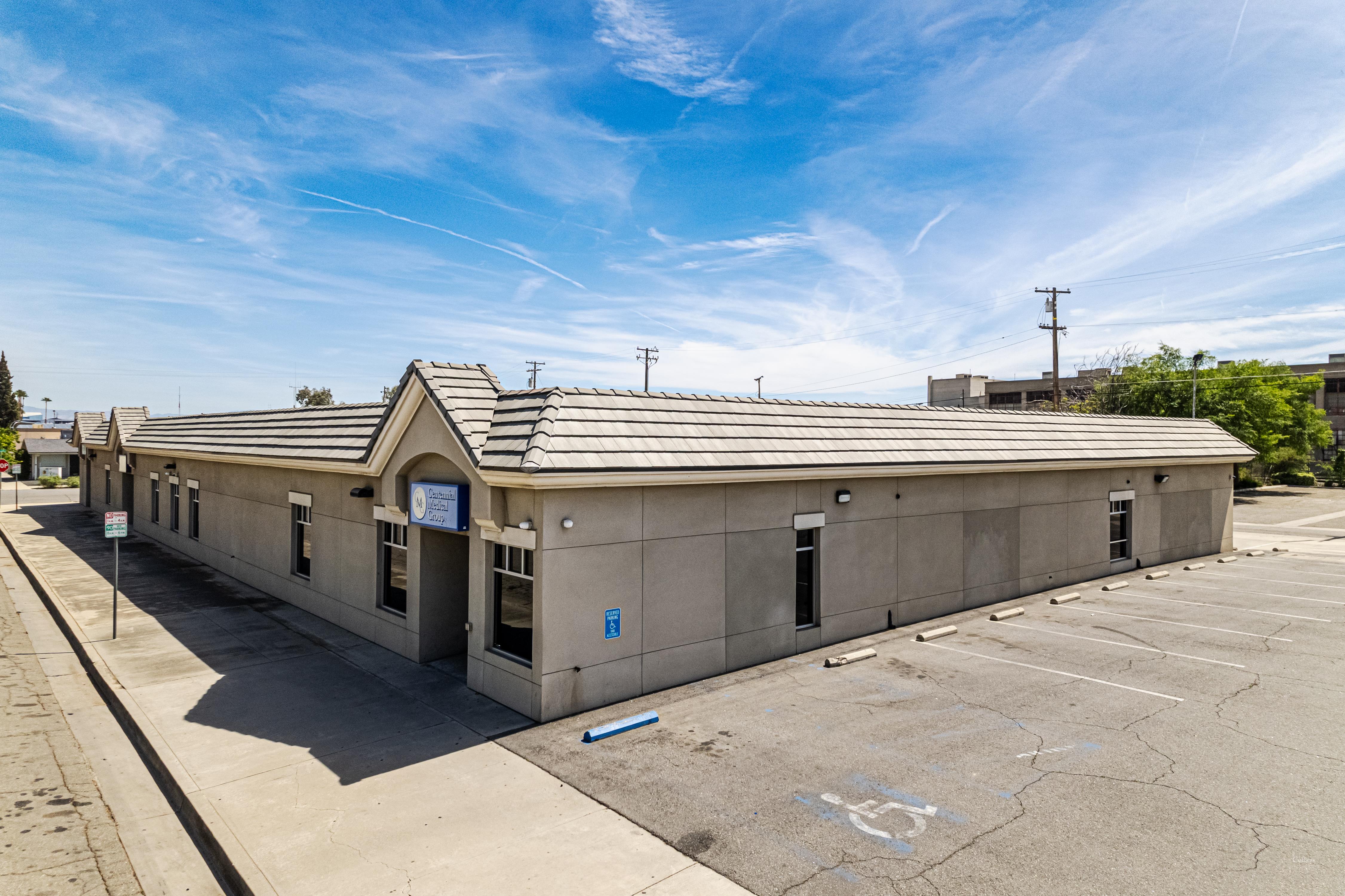
A distribution roof near the Beeline Highway industrial corridor or a multi-acre retail deck off Palm Beach Lakes Boulevard can swallow most of a workday for a two-person crew on foot, and they will still walk right past the shallow ponding areas that are invisible from standing height. Every step also lands on a membrane that may already be brittle from years under the South Florida sun, which means a manual inspection can create the very damage it is meant to find. Aerial inspection turns that around. A single flight covers the entire roof plane in a consistent, overlapping grid in a fraction of the time, and nobody puts a boot on a roof whose condition we have not already confirmed from the air. For the warehouse, retail, and flex buildings that make up most of the commercial inventory around West Palm Beach, that is faster, safer, and more thorough than any walkover.
What you get back is not a folder of loose snapshots. It is a stitched, high-resolution orthomosaic of the roof with every drain sump, seam, curb, and penetration flashing captured in sequence and georeferenced, so we can point to the precise coordinate where a problem lives. That is a record you can put in front of an adjuster, a lender, or a board of directors, instead of a verbal account of what somebody believed they saw from the edge of a parapet.
The single most valuable instrument a drone carries over a Florida commercial roof is its infrared camera, because it sees water the eye cannot. Wet insulation and dry insulation handle heat differently. Saturated board soaks up the sun's energy through the day and then releases it slowly after the sun goes down, so during the evening cool-down the wet zones glow distinctly warmer in infrared while the dry field has already shed its heat. We schedule the thermal pass for that cool-down window, when the contrast between wet and dry is sharpest, and the output is a moisture map showing where trapped water sits inside the assembly even when the membrane surface looks perfectly intact from above.
That one finding drives the most expensive decision an owner faces on a roof. Small, contained wet zones point to a targeted cut-and-replace. Moisture spread across a large share of the deck points, honestly, to replacement, and learning that during an inspection rather than mid-teardown spares everyone a punishing change order. We confirm every infrared hotspot with a physical core cut before it goes into a scope of work, because thermal imaging tells us where to look but the core tells us how deep the water reached and whether the steel deck below has started to corrode. Meaningful thermal scanning across a large roof is not something that can be done on foot, it requires the even, systematic coverage that only a flight provides.
After a named storm or a hail event, the line between a paid claim and a denied one is usually drawn by the quality of the documentation. We produce a georeferenced photographic report that maps hail-impact density, wind-lifted membrane and displaced edge metal, and damage to rooftop units and other equipment, formatted the way commercial property carriers expect to receive it. Because every image is timestamped and location-tagged, an adjuster can review the roof remotely and line the findings up against the storm date. For contested claims we supplement the imagery with a written assessment grounded strictly in what the flight recorded. West Palm Beach's hurricane-season exposure means a large share of these inspections are claim-driven, so we prioritize post-event flights to capture conditions before any temporary repair alters the evidence.
Commercial drone work is regulated airspace activity, and we run it that way. Every flight is conducted under the FAA's Part 107 rules for small unmanned aircraft, with a certificated remote pilot in command. That discipline matters more here than in most markets, because a large portion of the West Palm Beach commercial core sits inside or directly beside the controlled airspace surrounding Palm Beach International Airport, where a drone cannot legally leave the ground without LAANC authorization. We secure that authorization, hold visual line of sight throughout, and keep the aircraft clear of people on the ground for the duration of the inspection. The entire reason to fly a roof is to take risk out of the process, so we will not introduce a new risk by flying carelessly near an active approach path.
A drone earns its place in the budget well before a roof ever fails.
Drawings built from what the roof actually is, rather than from assumptions made through binoculars, are simply more accurate, and that accuracy shows up as lower cost and fewer surprises on every project that follows.
It covers the whole roof at a consistent altitude with a complete photographic record and zero foot traffic on a possibly fragile membrane. On large low-slope roofs a walkover eats hours and still misses ponding invisible from standing height, and thermal moisture mapping is not practical on foot at all. For any commercial roof above roughly 10,000 square feet, the flight is both faster and more complete.
Yes, under the right timing. We fly the infrared pass during the post-sunset cool-down, when wet insulation still holds the day's heat and reads warmer than the dry field around it. The resulting map is accurate enough to drive a partial-replacement versus full-tearoff decision, and we confirm every hotspot with a core cut.
That is one of its primary uses. We deliver a georeferenced, timestamped report documenting impact density, wind damage, and equipment damage in the format commercial carriers expect, ready to submit straight to the adjuster, with a written assessment available for contested claims.
Yes, and we obtain it. Much of the commercial core sits in controlled airspace, so we secure LAANC authorization, fly under FAA Part 107 with a certificated pilot, and keep visual line of sight clear of people throughout the flight.
Routine inspections are usually flyable within a few business days. Post-storm claim flights jump the line, often within a day or two of a significant event, weather and airspace permitting, because capturing conditions before temporary repairs is what makes the documentation worth having at all.
Commercial Roof Leak Repair keeps the first roof walk tied to leaks, drainage, edge conditions, and the roof file an owner can use.
View scope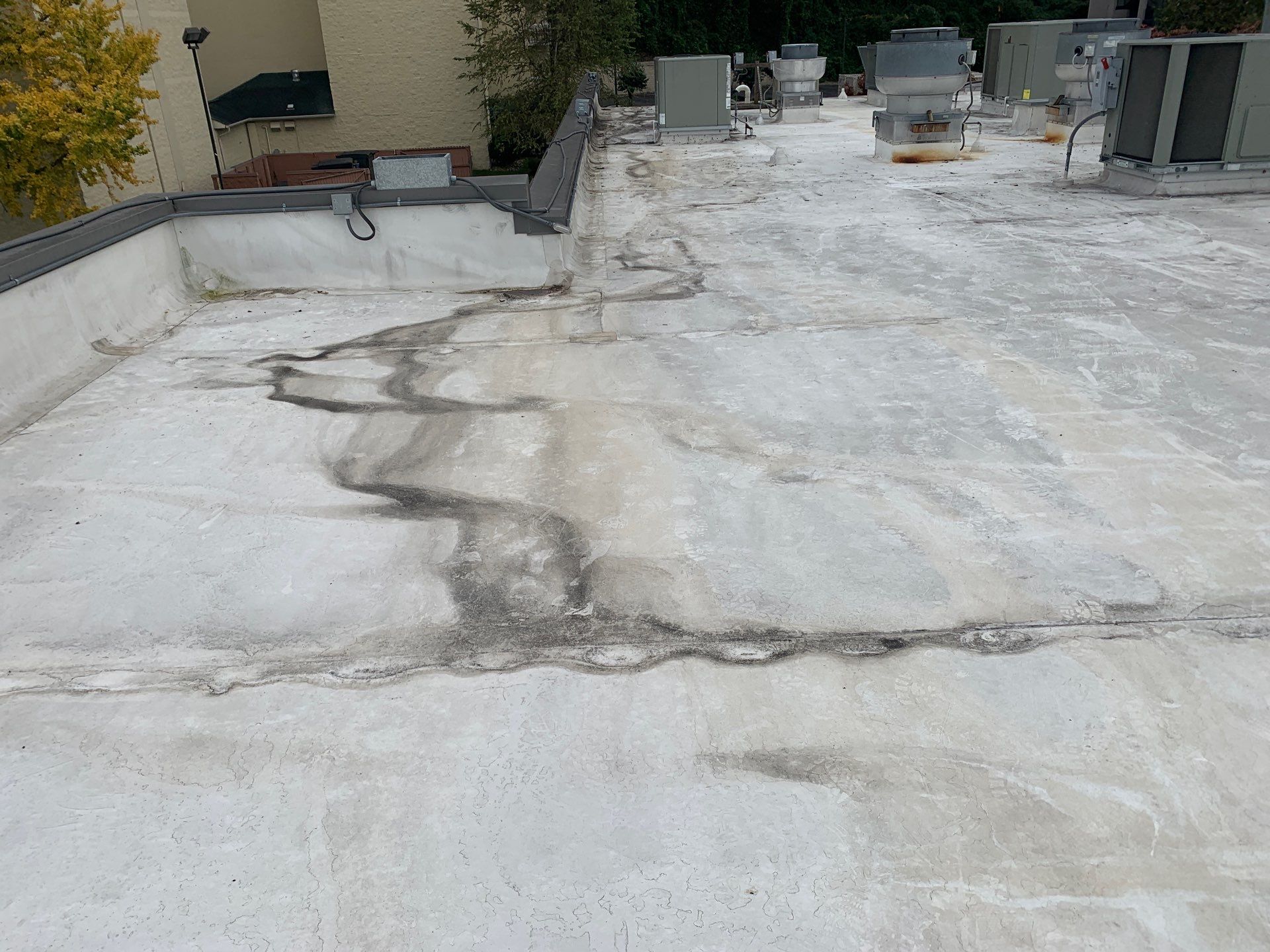
Hurricane Roof Damage Repair turns visible roof conditions into repair, maintenance, recover, or replacement options without generic brochure language.
View scope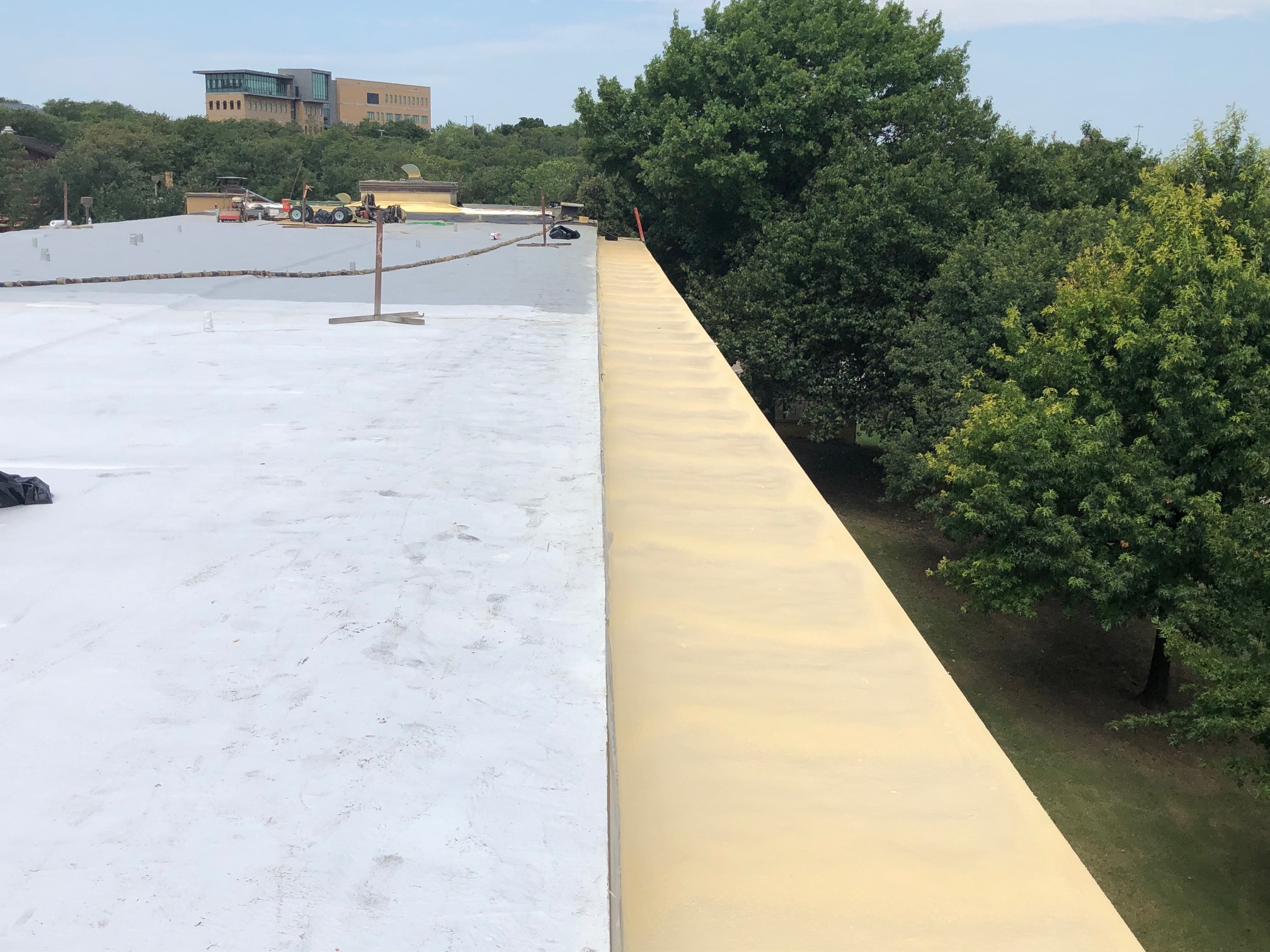
Wind Uplift Roof Repair helps property teams separate urgent work from capital planning with photos, notes, and a practical call path.
View scopeShare the building address, the roof concern, and any timing pressure. We will help frame the next roof scope.
Contact Commercial Roofers of West Palm Beach