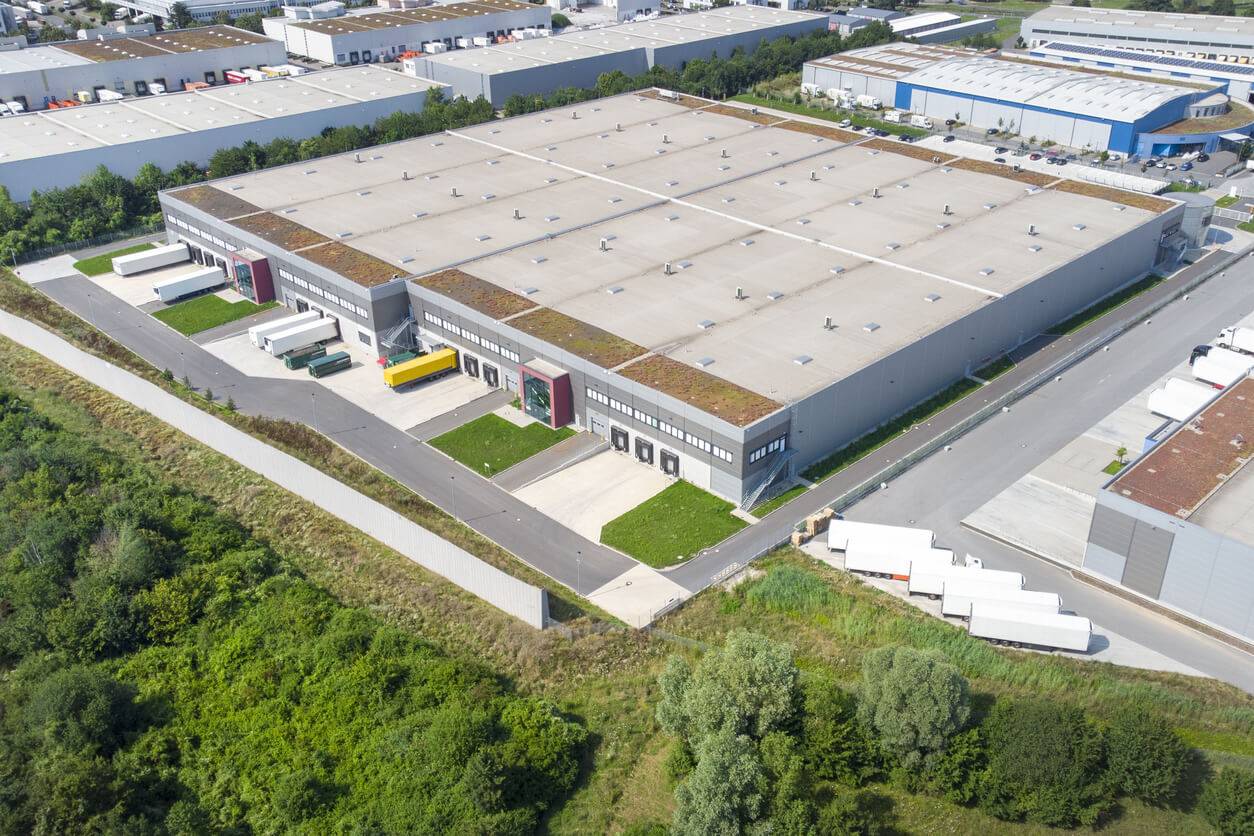
Warehouse Roofing
Warehouse Roofing scopes account for occupancy, roof traffic, and the roof conditions that affect work sequencing.
View scope
Property Types
Car Wash Roofing work needs a roof plan geared to the building use, access windows, occupant sensitivity, drainage, and the equipment sitting on the roof.
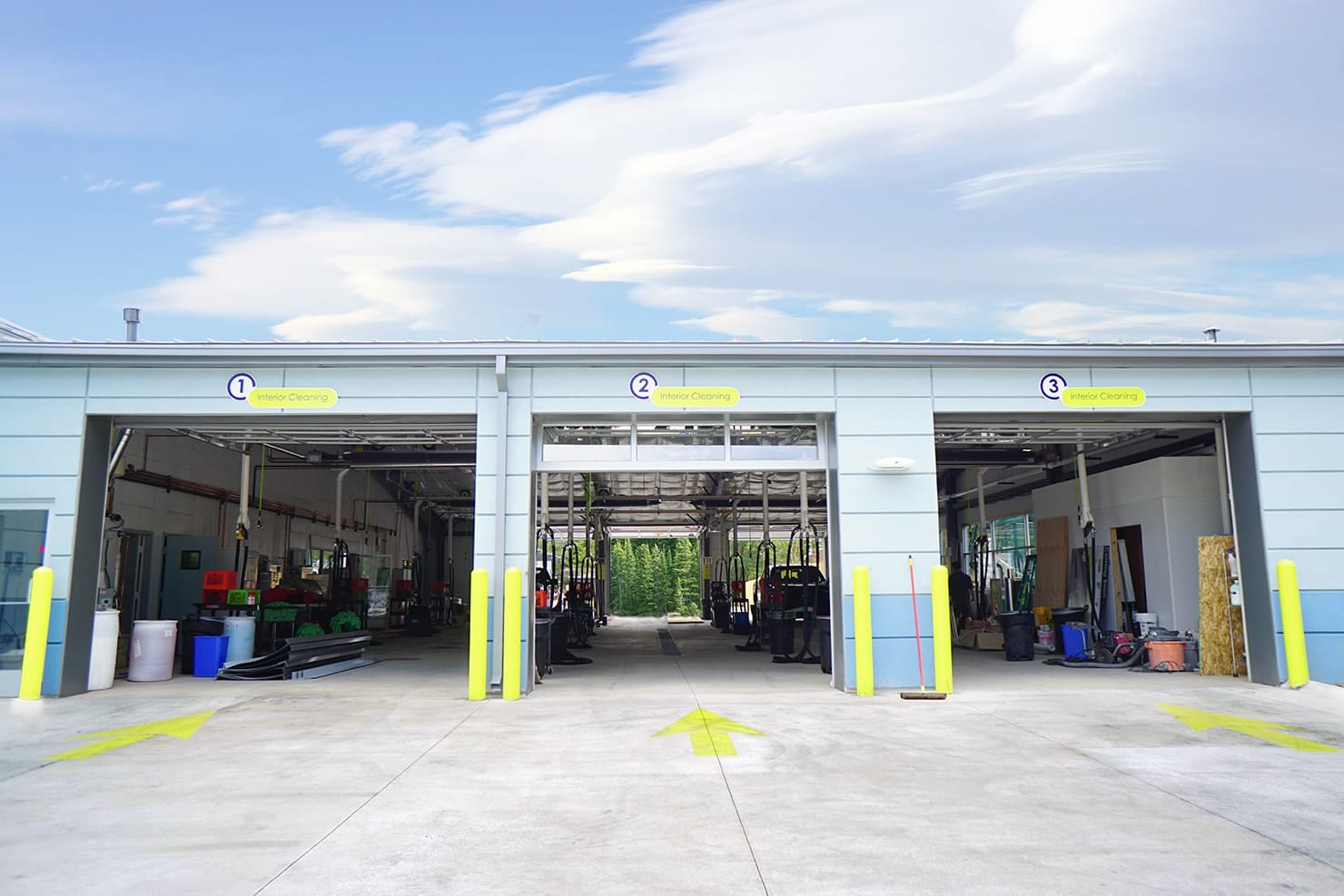
A car wash roof gets attacked from two directions at once, and that is what makes it different from every other low-slope building we work on in West Palm Beach. From above, you have the same sun and salt air that everything else along the coast deals with. From below, the tunnel is pumping warm chemical-laden vapor straight up at the underside of the deck for sixteen hours a day. We have walked car wash roofs along Okeechobee Boulevard, the Military Trail retail strip, and the high-volume express sites near Palm Beach Lakes Boulevard, and the pattern is always the same: the failures start on the inside before they ever show up as a stain on the ceiling.
Every wash cycle releases a fog of hot water, presoak, high-pH detergent, drying agents, and wax. That fog rises to the highest point of the building, which is the underside of your roof deck. On a metal deck it condenses on the steel and on the shanks of the fasteners holding your insulation down. Over a few seasons that condensate corrodes fasteners from the head down, the plates lose their grip, and the membrane above starts to flutter and pull at the seams even though the top side still looks intact. On a wood or gypsum deck the same vapor saturates the substrate and rots the screw-holding capacity out of it. We have pulled fasteners out of tunnel decks that came up with two fingers of pressure. That is the real enemy at a car wash, and it is invisible from a normal roof walk, so we inspect the deck from inside the tunnel as well as from the top.
People think of a car wash as one building, but the roof is really three zones with three different problems. The tunnel itself sees the worst vapor and the most thermal cycling and needs the most chemically tolerant assembly. The equipment and pump room behind it stays drier but takes mechanical abuse and heat off the motors. The retail lobby and pay area is a conventional small commercial roof. We price and detail each zone for what it actually faces instead of blanketing one spec over the whole footprint, because over-building the lobby wastes your money and under-building the tunnel costs you the roof.
For the tunnel bay we lean toward a thicker PVC membrane. PVC holds up to the alkaline detergents and the surfactants in modern wash chemistry far better than standard TPO or EPDM, both of which can stiffen, lose plasticizer, or see seam strength drop under constant chemical fog. We confirm the actual chemical menu the operator runs before we commit to a spec, because a basic exterior express tunnel and a full-service site with hot wax and tire shine are not the same chemical environment. Where the vapor load is severe we run the membrane fully adhered so there is no fastener field in the deck for condensate to corrode in the first place.
The single best thing for a tunnel roof is moving the vapor out before it ever reaches the deck. Most tunnels run powered exhaust fans and dryer-related ductwork through the roof, and those penetrations are large, hot, and constantly wet. We build oversized curbs, use chemically compatible flashing, and seal them to handle continuous airflow rather than treating them like an ordinary plumbing stack. When a site has a chronic deck-corrosion problem we will also talk through whether the existing exhaust is actually moving enough air, because a roof spec cannot fix an under-ventilated tunnel by itself.
Express sites out here almost all have a vacuum canopy and an entry or pay-station canopy, and those structures fail in their own way. The connection where a canopy ties back into the main building is the most common chronic leak we find on Palm Beach County car washes, and the canopy decks themselves take vehicle exhaust, tire-dressing overspray, and full sun. On top of that, every roof on this property has to meet South Florida high-velocity hurricane zone uplift requirements, so canopy attachment and edge metal are not just leak details, they are wind details. We flash the canopy-to-wall transitions, check the canopy drainage, and verify the perimeter is fastened for the wind loads the county requires.
A wash in West Palm Beach runs every day the sun is out, and a closed tunnel is lost revenue you do not get back. We sequence the work around that. Tunnel membrane work gets staged for the early-morning or after-close window so we can keep a bay watertight overnight, and lobby, canopy, and vacuum-island work can usually proceed during operating hours with the crew and materials kept clear of the customer drive path. Before we ever quote a reroof we core the existing assembly so we know how much wet insulation is hiding up there and whether you are looking at a recover or a full tear-off down to a dry deck.
Most of the time it is not the membrane, it is the deck and fasteners underneath being corroded by interior vapor. The top surface can look fine while the attachment beneath it is failing. That is why we inspect from inside the tunnel and often recommend a fully adhered assembly so there is no fastener field to corrode.
For the tunnel itself we generally specify PVC because it tolerates the alkaline detergents and wax compounds in wash chemistry better than TPO over the long run. TPO can be perfectly appropriate over the lobby and pay area. We match the membrane to each zone rather than using one product everywhere.
Usually, yes, with the right phasing. We stage tunnel work for the early-morning or after-hours window and keep the building watertight overnight, while canopy and lobby work proceeds during the day clear of the customer drive lane.
Yes. Canopy decks, the canopy-to-building connections, and their gutters and drains are all part of our scope, and we verify the canopy attachment meets the county's wind-uplift requirements.
Warehouse Roofing scopes account for occupancy, roof traffic, and the roof conditions that affect work sequencing.
View scope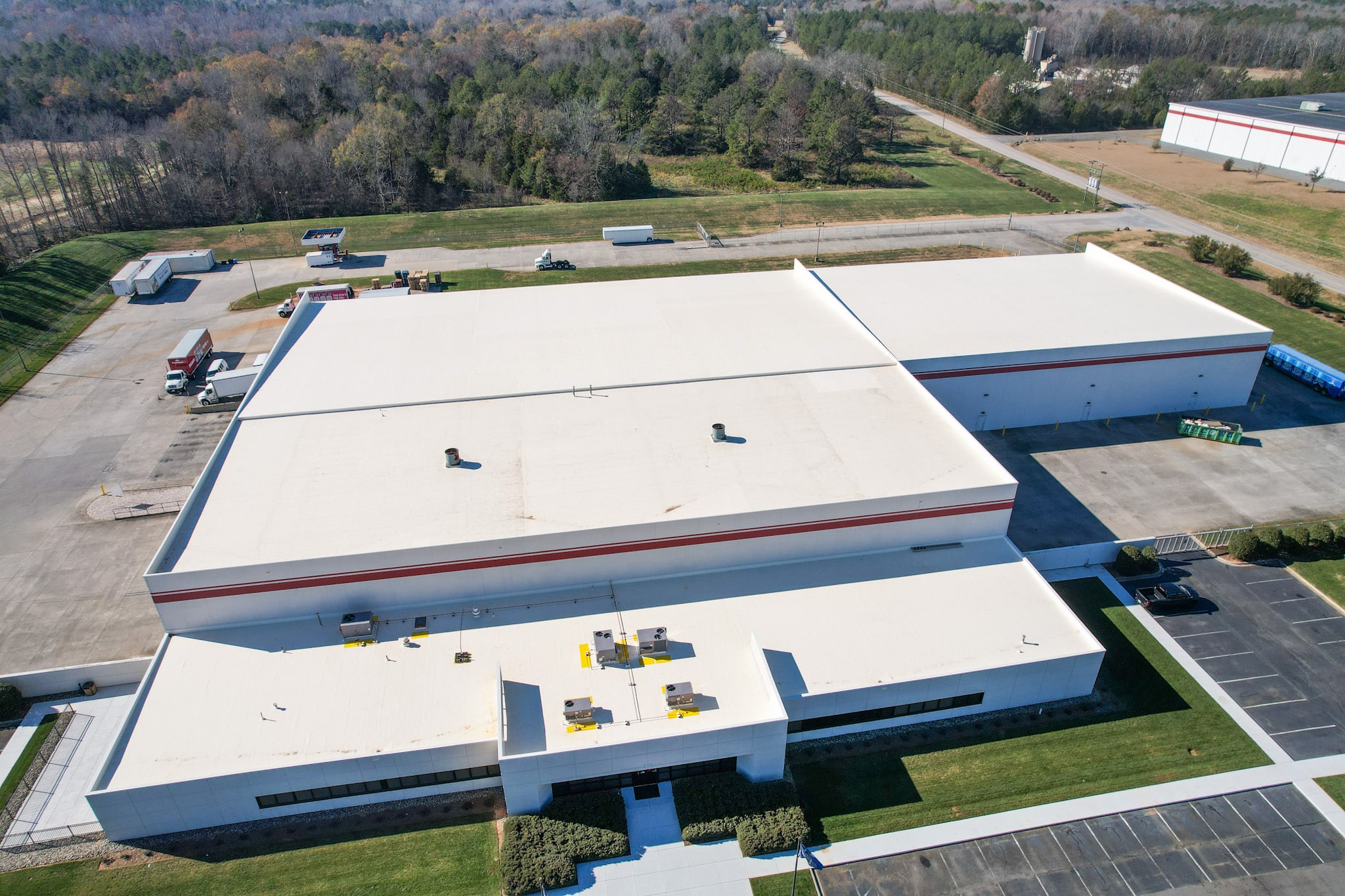
Distribution Center Roofing scopes account for equipment layout, drainage paths, and the roof conditions that affect work sequencing.
View scope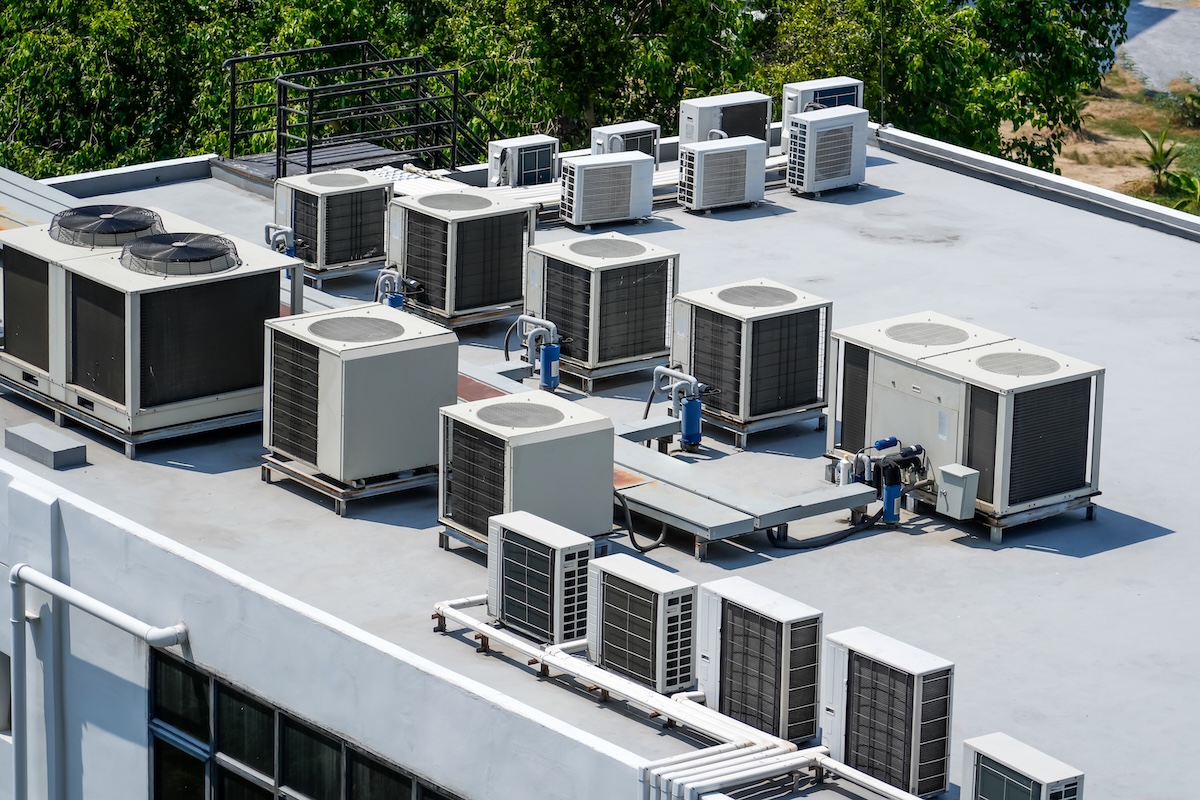
Medical Office Building Roofing scopes account for roof traffic, loading access, and the roof conditions that affect work sequencing.
View scopeShare the building address, the roof concern, and any timing pressure. We will help frame the next roof scope.
Contact Commercial Roofers of West Palm Beach