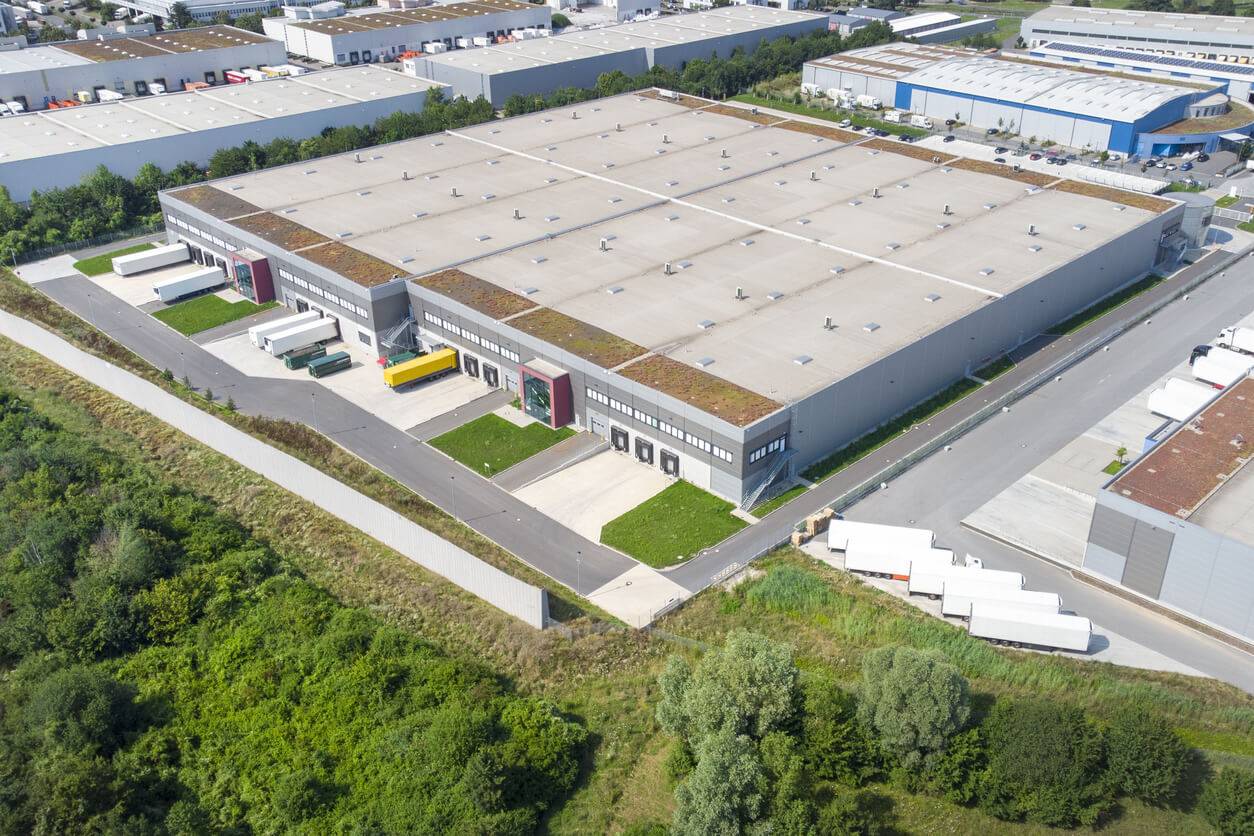
Warehouse Roofing
Warehouse Roofing scopes account for occupancy, roof traffic, and the roof conditions that affect work sequencing.
View scope
Property Types
Automotive Manufacturing Roofing work needs a roof plan geared to the building use, access windows, occupant sensitivity, drainage, and the equipment sitting on the roof.
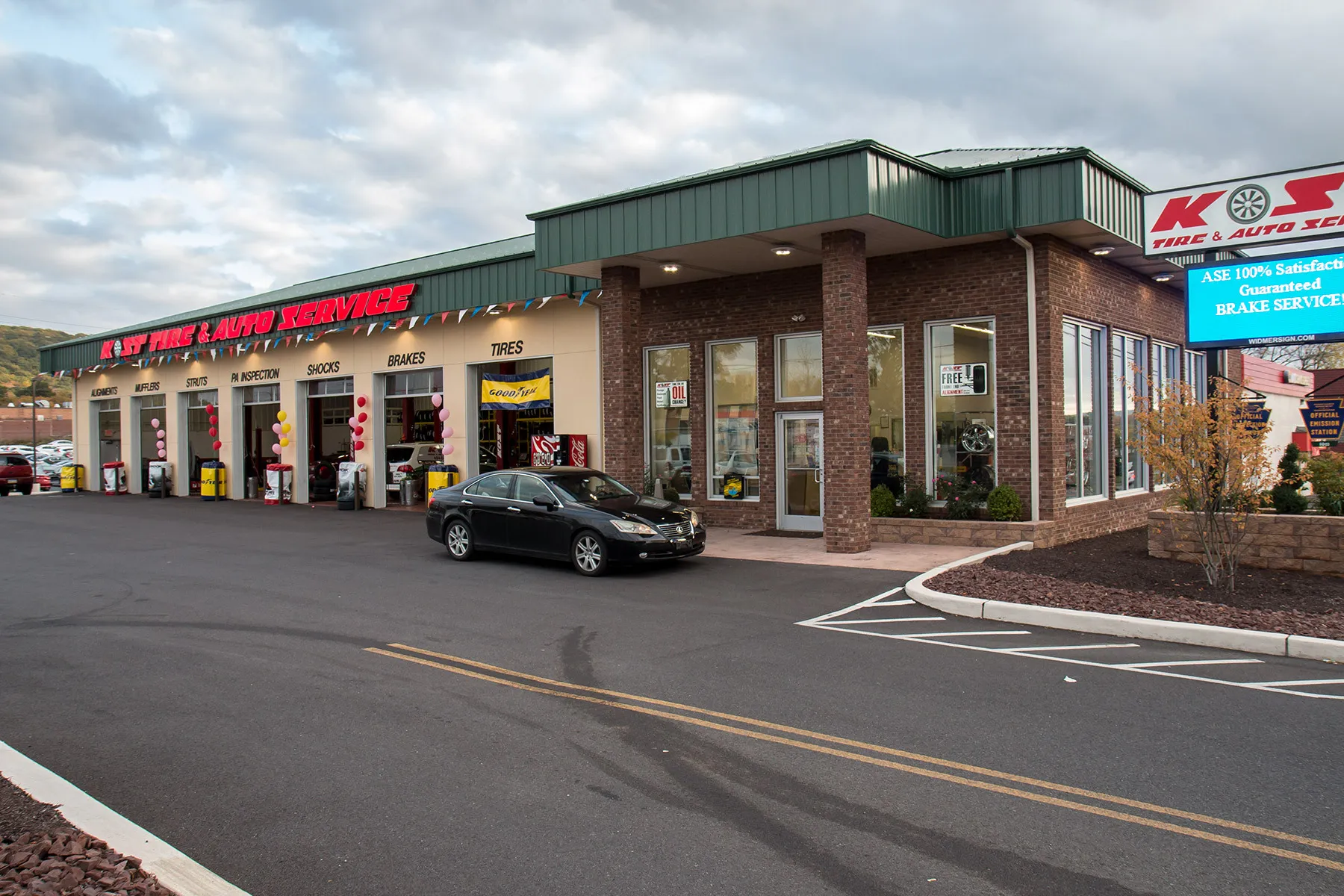
Roofing an automotive or supplier plant is a logistics problem as much as a roofing problem. The roof areas are enormous, the line below has a dollar value on every hour of downtime, and the equipment running underneath generates heat, fumes, and vibration that an ordinary commercial roof was never designed to take. In the West Palm Beach area this work runs from Tier 2 and Tier 3 supplier shops and parts fabricators through the larger metal-forming and assembly operations sitting in the industrial zones off Australian Avenue, around the Beeline Highway industrial belt, and in the Riviera Beach and Port of Palm Beach manufacturing corridor. These are big, busy buildings, and a reroof has to fit around the production schedule rather than the other way around.
Manufacturing roofs are among the largest single roof areas in commercial construction, and you cannot treat a multi-hundred-thousand-square-foot deck as one job. We section the roof into manageable phases, sequence tear-off and material delivery so we never stage more load or more open deck than is safe, and keep production running in the zones we are not working in. Material gets staged to respect crane reach, lift capacity, and rooftop load limits, and each phase is closed watertight before we open the next. On a plant this size, the difference between a clean reroof and a production-stopping mess is the phasing plan, and that gets built with the plant's facility engineering team before we mobilize.
These buildings move a lot of air. Welding and fabrication fume extraction, paint and coating exhaust, makeup-air units, and process ventilation all penetrate the roof in dense clusters, and some of that exhaust carries solvents or other reactive compounds that attack a membrane and void a standard warranty. We inventory and individually flash every curb, duct, and conduit, and where paint or coating exhaust is present we match a chemically appropriate membrane to the fallout around those stacks rather than blanketing one product across the deck. Heavy ventilation also means heavy penetration counts, and on a manufacturing roof the penetrations are where the leaks live.
Stamping presses, machining centers, and forming equipment put real vibration into the structure, and that vibration travels up to the roof. Standard single-ply seam and flashing details are fine for a retail box, but sustained vibration from heavy presses can fatigue a poorly welded seam or an adhesive-bonded detail over time. We account for vibration exposure in the membrane spec and the welding procedures over press and machine bays, and we confirm the existing deck and structure can carry the insulation and any added load before we finalize the assembly. Process heat from the floor below also factors into the insulation and vapor strategy.
Anywhere there is paint or coating, there are solvent vapors and fire-suppression requirements that govern hot work. Before any torch, grinder, or welding happens over or near those areas, we develop a hot-work plan with the plant's environmental health and safety team and specify cold-applied adhesive or mechanical attachment where torch work is excluded. Solvent-based roofing adhesives do not belong above active paint operations. None of this is a surprise on the day of — it is standard scope planning for an automotive facility.
A roof this large almost never drains the way the original designer intended after a couple of decades of deck deflection, equipment additions, and overlay history. Low spots collect water, and in our climate that means real ponding after every summer storm — extra dead load on a structure that is already carrying heavy process equipment, plus accelerated membrane aging wherever the water sits. We map the ponding pattern during the roof walk and rebuild positive drainage with tapered insulation toward the existing drains and scuppers, adding overflow capacity where the interior drainage cannot keep up with a South Florida downpour. On a plant footprint, fixing drainage is often the single biggest driver of how long the new membrane will actually last.
Plant engineering and corporate facility groups expect a paper trail, and on automotive work the closeout package is part of the deliverable, not an afterthought. We provide contractor safety qualifications, a site-specific safety plan, manufacturer material submittals, daily work and dry-in logs, a roof-zone diagram with the penetration inventory, permit records, and warranty registration, formatted to the plant's facility-management standards. When the next capital cycle comes around or ownership changes, that record is what lets the facility team plan against an accurate picture of the roof instead of guessing.
Every plant roof out here still has to meet South Florida's high-velocity hurricane zone uplift and edge-metal requirements, and on a roof with this much perimeter that is a serious part of the design. We fasten the field, secure the perimeter, and detail the edge metal for the wind loads the county demands, and we keep daily dry-in tight through hurricane season so an open phase never gets caught by an afternoon storm.
We phase the roof into sections and sequence the work so production keeps running in the zones we are not in. The phasing plan is built with your facility engineering team before mobilization, each phase is closed watertight before the next opens, and we coordinate daily with your maintenance contact.
Typically a heavier 60-mil or 80-mil membrane, mechanically attached over the field, with chemically resistant membrane around paint and process exhaust and fully adhered or cold-applied assemblies where hot work is restricted. We confirm deck capacity before settling on insulation thickness.
It can. Sustained vibration from heavy stamping or forming equipment can fatigue weak seams over time, so we adjust the membrane spec and welding procedures over press bays to handle it.
With a hot-work plan developed with your EHS team. We specify cold adhesive or mechanical attachment where torch work is excluded and keep solvent-based adhesives away from active paint operations.
Warehouse Roofing scopes account for occupancy, roof traffic, and the roof conditions that affect work sequencing.
View scope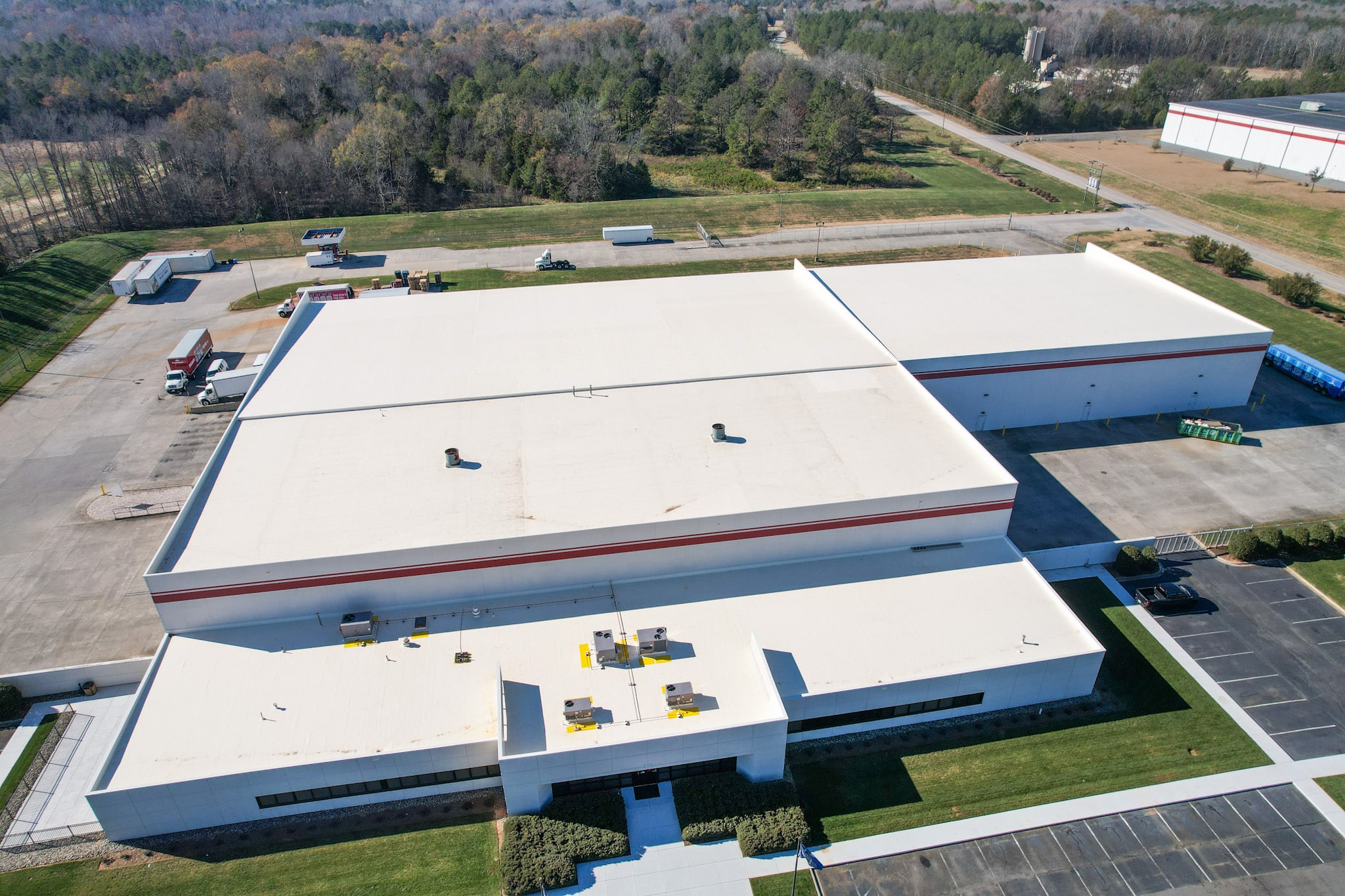
Distribution Center Roofing scopes account for equipment layout, drainage paths, and the roof conditions that affect work sequencing.
View scope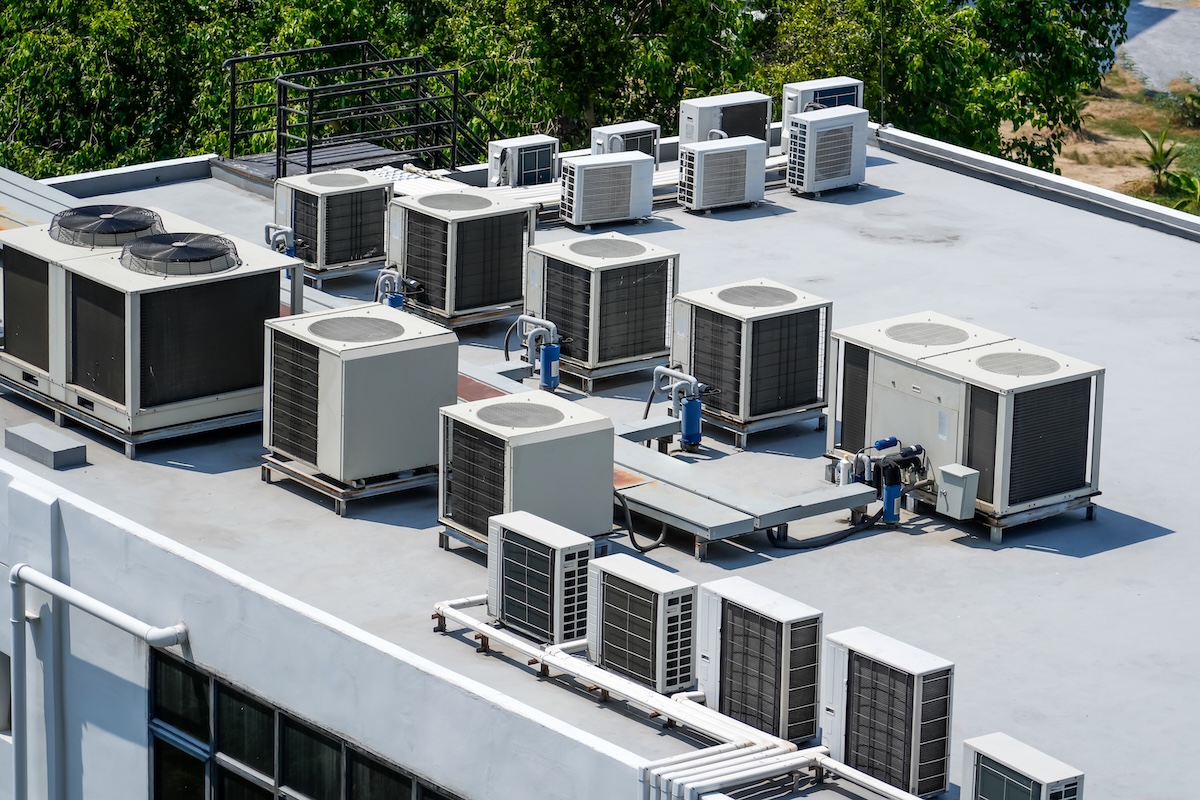
Medical Office Building Roofing scopes account for roof traffic, loading access, and the roof conditions that affect work sequencing.
View scopeShare the building address, the roof concern, and any timing pressure. We will help frame the next roof scope.
Contact Commercial Roofers of West Palm Beach