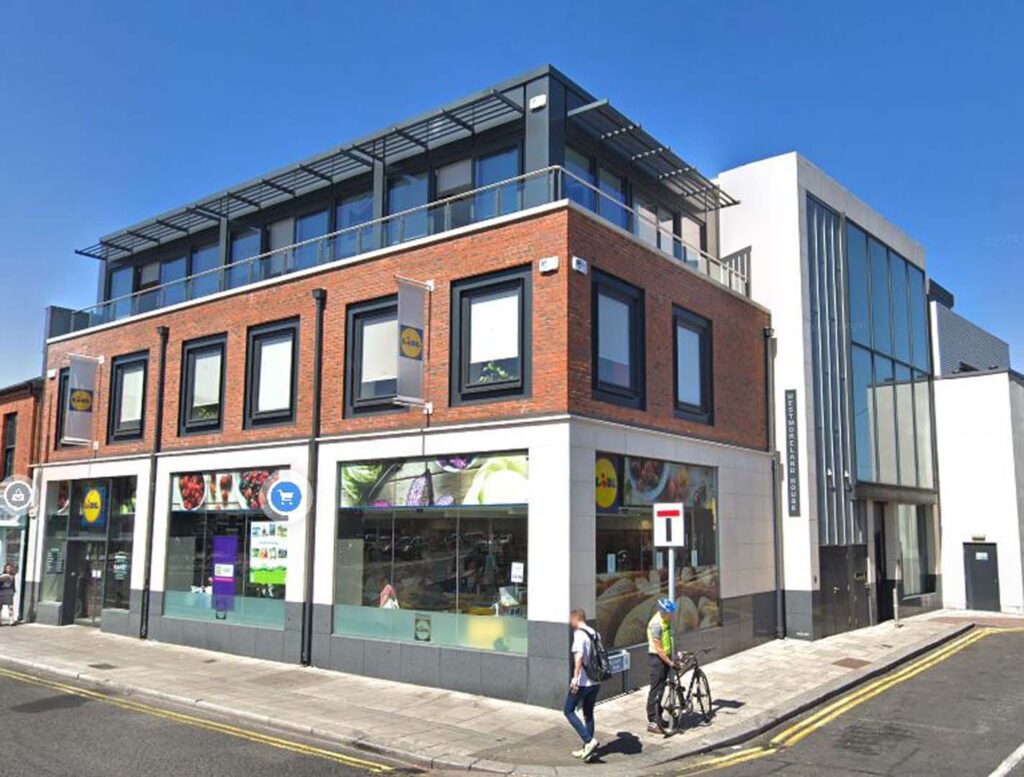
Property Management Firms
Property Management Firms roof planning centers on operating risk, approval timing, and the evidence needed to approve the next roof step.
View scope
Industries
Food Processing and Cold Storage Roofing teams need roof information that can move through approval channels without guesswork. The scope connects visible roof conditions to operating risk and budget planning.
West Palm Beach sits at the center of one of Florida's most significant food production and distribution corridors, centered on the sugarcane industry's enormous cold chain and processing infrastructure, major national food distributors, and the import logistics that flow through South Florida's ports and airports. US Sugar, headquartered in nearby Clewiston and operating across the vast Lake Okeechobee agricultural region, manages food processing and cold storage infrastructure associated with sugarcane processing, refined sugar distribution, and the broader Everglades agricultural economy. Fresh Del Monte Produce, one of the world's largest fresh produce distributors, maintains significant South Florida operations that connect Latin American and Caribbean agricultural supply chains to North American retail distribution networks through facilities requiring precise temperature management from import through distribution.
Sysco's South Florida operation serving West Palm Beach and the surrounding Palm Beach County market handles food service distribution to one of the country's most active hospitality and tourism economies. Palm Beach County's restaurant, hotel, and resort sector creates food service demand that is both high-volume and quality-sensitive — conditions that demand cold chain reliability that building envelope integrity directly enables. Palm Beach County government's food service and institutional purchasing programs add a governmental dimension to the regional cold chain market that brings public accountability to facility management standards alongside the commercial customer relationships that drive the sector's day-to-day operations.
South Florida's climate presents cold storage roofing challenges that are among the most severe in the country. West Palm Beach averages over 60 inches of rainfall annually, concentrated in a wet season that coincides with hurricane season from June through October. Year-round high humidity — exterior dew points exceeding 70 degrees Fahrenheit during summer months — creates a sustained vapor challenge against cold storage building envelopes that never fully relaxes, even in winter. The combination of intense UV radiation, year-round heat loading, hurricane wind exposure, and persistent vapor pressure creates a roofing environment that demands systems specifically engineered for South Florida's conditions rather than adapted from cooler or less hurricane-exposed markets.
The sugarcane processing and distribution infrastructure associated with US Sugar and the Clewiston-area agricultural operations creates cold storage roofing requirements that extend through the entire supply chain from field to retail. Sugar processing facilities require controlled environment storage for raw and refined product that must be protected from moisture — not from freezing, but from the humidity that affects product quality and processing efficiency. Building envelope performance is a product quality issue as well as a property protection issue in this sector, and roofing systems that allow moisture infiltration into product storage areas create economic losses that exceed property damage costs significantly.
HACCP compliance for West Palm Beach fresh produce and cold storage operations is shaped by the FDA Food Safety Modernization Act (FSMA) requirements that have progressively tightened fresh produce supply chain standards. Fresh Del Monte's South Florida operations handle product subject to FSMA's Produce Safety Rule, which includes building and equipment maintenance requirements that address potential contamination pathways. Roofing systems that allow water infiltration into produce storage or packing areas are FSMA compliance concerns that can trigger FDA enforcement action in addition to the insurance and property damage consequences of a conventional roof leak.
Hurricane preparedness for West Palm Beach cold storage facilities has moved from abstract risk management planning to operational necessity for facilities that have experienced storm impacts in recent years. South Florida's hurricane history includes events that have disrupted cold chain operations for days or weeks, producing product losses and operational costs that have permanently changed how sophisticated cold chain operators approach storm preparedness. Roofing systems with Florida Product Approval wind uplift certification and documented installation compliance are now standard expectations at major food distribution facilities in Palm Beach County — not because the insurance market requires them but because operators who have experienced storm-related losses understand the value of resilient building envelope systems.
Vapor management for West Palm Beach cold storage facilities must be designed for South Florida's extreme vapor challenge. The combination of year-round high dew points and intense summer vapor pressure creates conditions where even minor vapor retarder deficiencies can saturate adjacent insulation panels within a single wet season. Continuous vapor retarder performance at every penetration — conduits, drain bodies, equipment curbs, and wall-to-roof transitions — is the most critical construction quality requirement for new cold storage buildings and re-roofing projects in this market. Post-installation testing of vapor retarder continuity, using appropriate testing methods for the specific assembly, should be a standard project closeout requirement.
Fresh Del Monte's operations reflect the sophisticated cold chain management standards that global fresh produce distribution demands. The company's quality standards for its facilities reflect decades of experience managing produce freshness across complex international supply chains where building envelope performance is understood as a fundamental operational parameter rather than a maintenance detail. Contractors working on Fresh Del Monte facilities in West Palm Beach encounter quality management expectations that are calibrated to global fresh produce distribution standards — a level of sophistication that general commercial roofing contractors may not be familiar with.
The US Sugar and Everglades agricultural complex creates roofing demand across a geographic area that extends well beyond West Palm Beach itself but that is logistically served by the South Florida roofing contractor market. Facilities in Clewiston, Pahokee, and Belle Glade — some of the most remote large-scale food processing locations in the continental United States — require roofing contractors willing to work in South Florida's interior agricultural zone, where contractor mobilization costs are higher and emergency response logistics are more complex than in urban Palm Beach County. Established contractor relationships that include these remote facilities in the service scope provide operational advantages that emergency-bid procurement processes cannot replicate.
How does FSMA's Produce Safety Rule affect roofing requirements at West Palm Beach fresh produce facilities?
The FDA Food Safety Modernization Act's Produce Safety Rule includes building and facility maintenance requirements that address potential contamination pathways, including water intrusion from roofing failures. Fresh produce packing and storage facilities regulated under FSMA must maintain environmental controls that prevent contamination of covered produce. A roof leak in a FSMA-covered facility is a potential regulatory compliance issue in addition to a property damage event, and corrective action must be documented through the facility's food safety plan.
What hurricane wind resistance specification is appropriate for West Palm Beach cold storage roofs?
Palm Beach County's location in South Florida places commercial buildings in Florida's high-wind exposure zone. Cold storage facilities with Risk Category III classification require higher design wind speed compliance than standard commercial occupancy buildings. Florida Product Approval system listings obtained through certified contractors with documented installation compliance are the standard that South Florida's insurance market and major food brand partners expect for facilities at this risk level.
How should vapor retarder performance be tested at new West Palm Beach cold storage facilities?
Post-installation vapor retarder testing using appropriate methods for the specific assembly type — pressurization testing for air barriers, electronic field vector mapping for membrane continuity — should be a standard closeout requirement for new cold storage roofing in South Florida. The cost of testing is modest compared to the cost of discovering vapor retarder failures after insulation saturation has occurred. Documented test results support the manufacturer warranty and provide evidence of construction quality for insurance and audit purposes.
What is the recommended maintenance frequency for West Palm Beach cold storage roofs?
Quarterly maintenance visits are appropriate given the combination of year-round vapor challenge, hurricane season exposure, and intense UV degradation. Drain cleaning at each visit, pre-hurricane season inspection in April or May, and post-storm inspection after named systems are minimum requirements. Annual infrared scanning of the insulation assembly is essential in South Florida's high-humidity environment, where insulation saturation can develop and progress significantly without visible membrane symptoms.
How do US Sugar's agricultural storage facilities differ from conventional cold storage roofing?
Sugar and grain storage facilities require building envelopes that protect against moisture infiltration but may not require the refrigeration temperatures of frozen food storage. The vapor management challenge is real — moisture contamination degrades product quality and processing efficiency — but the vapor pressure differential is less extreme than at deep-freeze facilities. Roofing systems for agricultural storage in the Everglades region must also address the particularly aggressive UV environment of South Florida's sun-exposed interior, where membrane degradation rates are higher than in coastal or urban settings with some atmospheric particle shading.
Property Management Firms roof planning centers on operating risk, approval timing, and the evidence needed to approve the next roof step.
View scope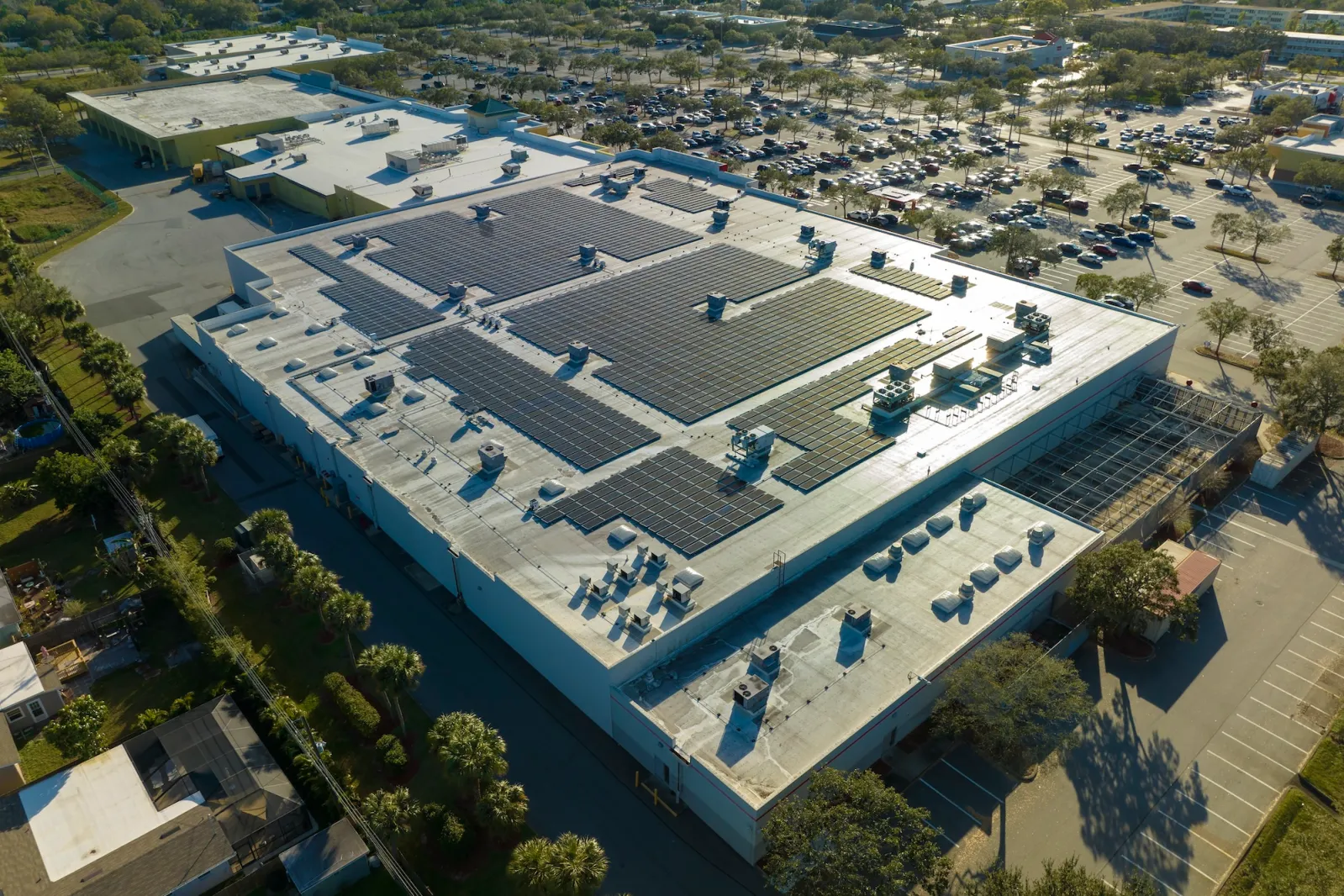
Commercial Real Estate and REITs roof planning centers on approval timing, tenant sensitivity, and the evidence needed to approve the next roof step.
View scope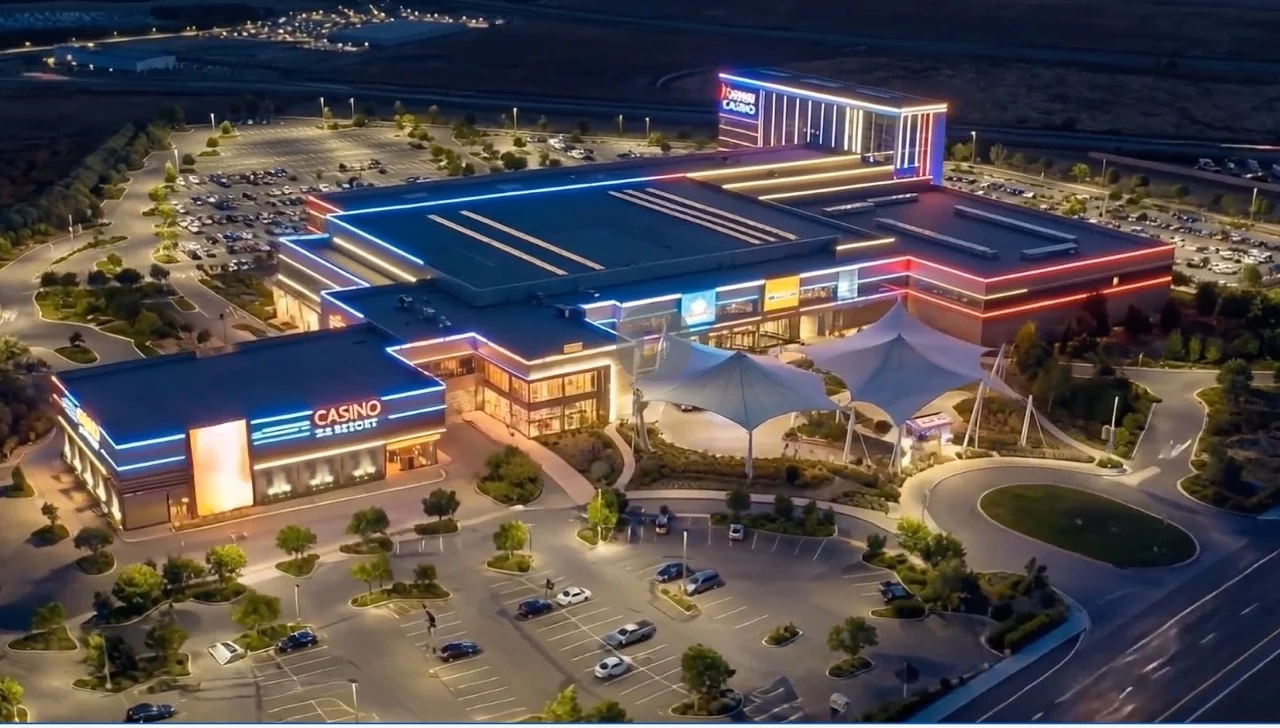
Hospitality Groups roof planning centers on tenant sensitivity, facility access, and the evidence needed to approve the next roof step.
View scopeShare the building address, the roof concern, and any timing pressure. We will help frame the next roof scope.
Contact Commercial Roofers of West Palm Beach