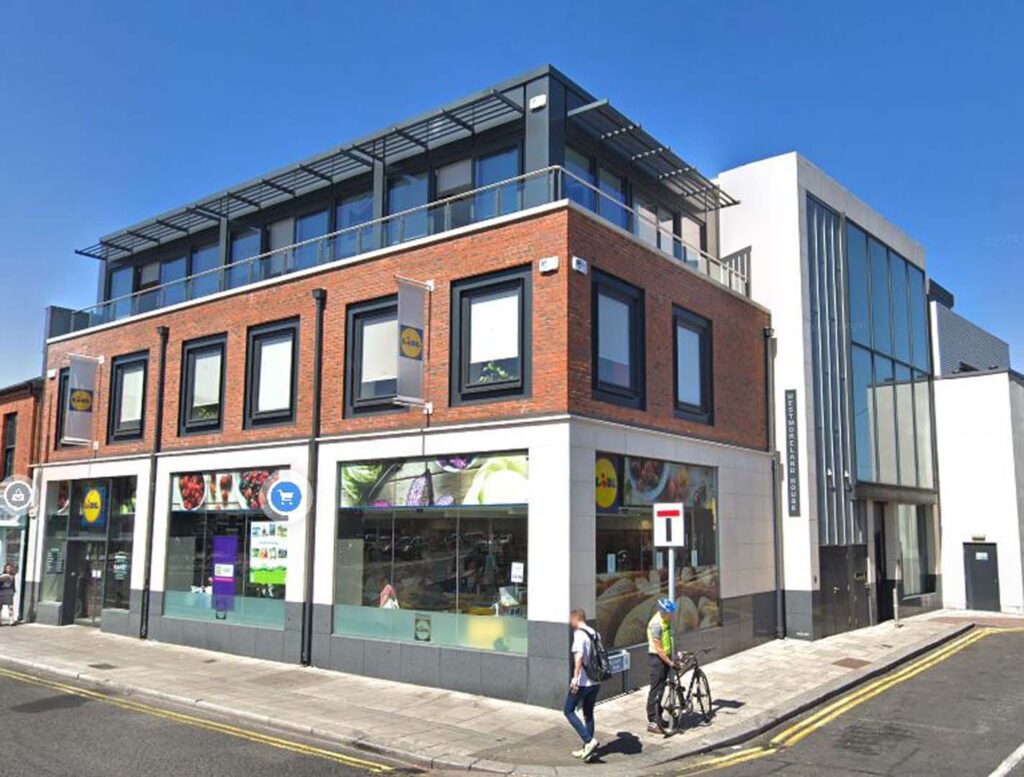
Property Management Firms
Property Management Firms roof planning centers on operating risk, approval timing, and the evidence needed to approve the next roof step.
View scope
Industries
Data Center Roofing teams need roof information that can move through approval channels without guesswork. The scope connects visible roof conditions to operating risk and budget planning.
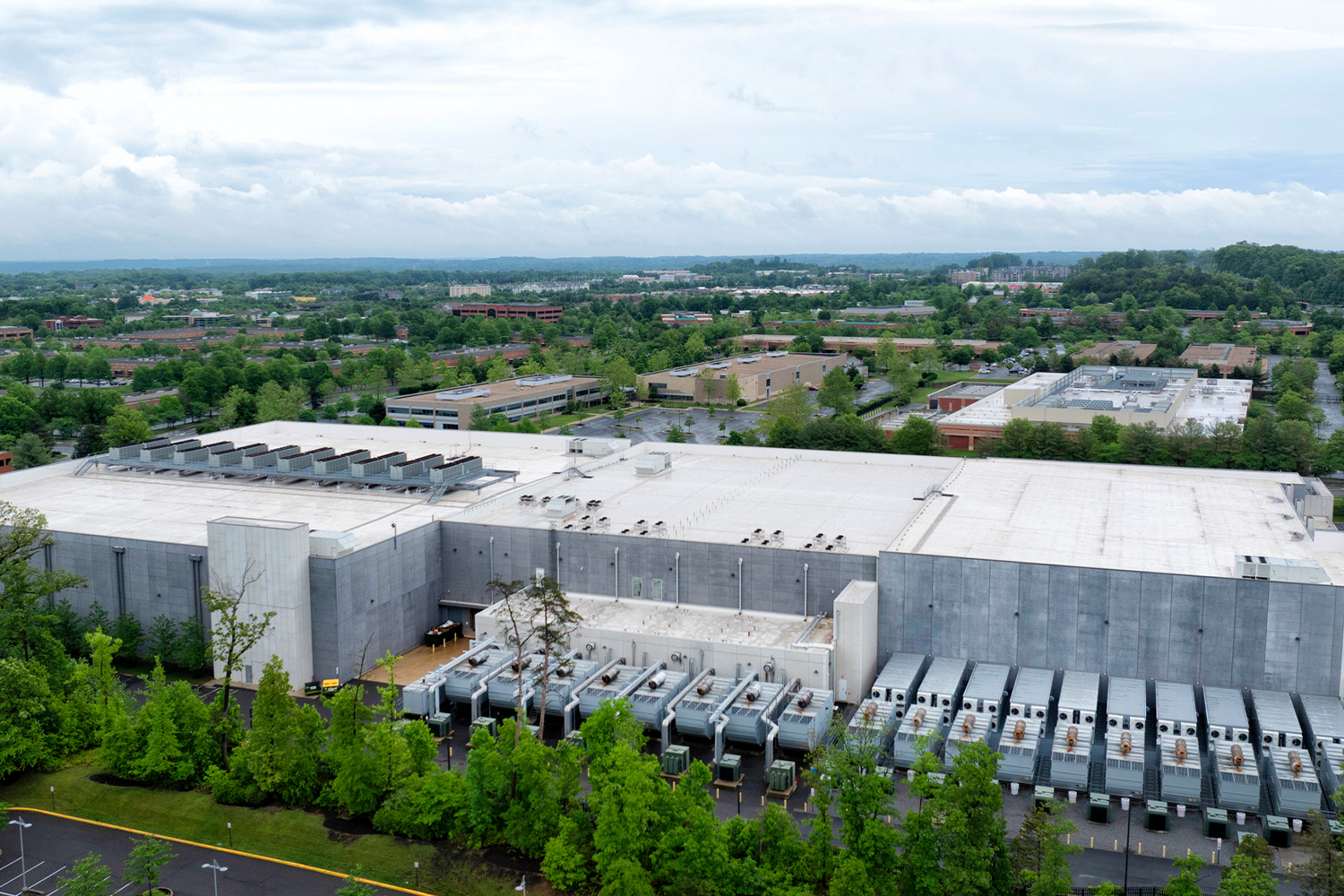
West Palm Beach's data center infrastructure is powered by some of Florida's most consequential corporate and institutional computing operations. NextEra Energy, the parent company of Florida Power and Light and one of the world's largest producers of wind and solar energy, maintains its headquarters computing infrastructure in the West Palm Beach area — systems that manage generation, transmission, and distribution across a service territory covering millions of Florida customers. Palm Beach County government IT supports one of Florida's most populous and economically significant counties, managing property records, court systems, emergency services dispatch, and a range of public safety computing platforms that cannot be interrupted by weather events — the exact conditions under which they are most needed.
Florida Atlantic University maintains research computing and administrative IT infrastructure in Boca Raton, adjacent to the West Palm Beach market, supporting a growing research enterprise and a student population that has expanded substantially as South Florida's knowledge economy has developed. The combined corporate, government, and institutional computing demand in the Palm Beach corridor creates a data center market that, while smaller in absolute terms than Miami-Dade or Orlando, operates at a level of sophistication that reflects the economic weight of the organizations it serves.
South Florida's climate is among the most demanding for commercial roofing systems in the continental United States. West Palm Beach averages over 60 inches of rainfall annually, with a pronounced wet season from June through October that coincides precisely with hurricane season. The city's subtropical latitude produces year-round solar radiation intensity that drives roof surface temperatures well above ambient during daylight hours, creating thermal cycling stress that is present in every season rather than concentrated in summer months as it is in continental climates. The combination of intense UV exposure, high humidity, and periodic hurricane wind loads creates a roofing environment that demands systems engineered specifically for South Florida's conditions.
Hurricane preparedness is the dominant roofing design criterion for West Palm Beach data centers. The city sits in a geographic zone that has been struck by or closely affected by multiple significant Atlantic hurricanes in the past two decades, and the insurance and regulatory environment for commercial buildings in Palm Beach County reflects this history. Florida Building Code's high-velocity hurricane zone requirements apply to portions of Palm Beach County, and even in areas governed by the standard Florida Building Code, wind uplift resistance requirements are substantially more stringent than in inland or northern markets.
NextEra Energy's headquarters computing environment represents a category of data center where roofing failure has consequences that extend beyond the physical campus. A compromised building envelope at a utility operations center during a major storm event — precisely when the computing infrastructure it houses is under maximum demand — can produce cascading effects on grid management that regulators would examine closely. Energy utility data centers are subject to NERC CIP (North American Electric Reliability Corporation Critical Infrastructure Protection) standards that include physical security and environmental control requirements extending to the building envelope.
Vapor management in West Palm Beach data centers is dominated by the summer vapor drive from the hot, humid exterior toward the air-conditioned interior. The region's sustained high dew points — regularly exceeding 72 degrees Fahrenheit during the wet season — create vapor pressure differentials that challenge even well-designed roofing assemblies. Continuous vapor retarder performance is critical, and any penetration — a conduit for communications cabling, a cooling equipment curb, a drain body — that compromises vapor retarder continuity creates a potential condensation pathway into the insulation layer that can degrade thermal performance and eventually produce visible moisture intrusion.
Roof drainage performance during South Florida's wet season events is a life-safety concern as well as a property protection issue. The rainfall intensities associated with tropical weather systems can overwhelm undersized drainage systems rapidly, creating ponding loads that have caused structural failures on older commercial buildings in South Florida. Primary drain sizing and secondary overflow drain capacity must be calculated based on South Florida's published design storm intensities rather than national averages, and drain cleaning must be performed before each wet season to ensure full design capacity is available when extreme events occur.
FPL's regional operations infrastructure adds a utility-specific dimension to West Palm Beach data center roofing. Facilities that serve as distribution substations, operations centers, or network operations points for the electric utility have additional resilience requirements driven by regulatory standards and the utility's own internal continuity standards. These buildings typically have older roofing systems that predate current Florida Building Code wind requirements, making re-roofing projects both a compliance and a risk management priority that utility facility managers are increasingly addressing before storms force the issue.
The South Florida property insurance market has created financial incentives for data center owners to invest in roofing upgrades that qualify for premium reductions. Roofing systems with Miami-Dade or Florida Product Approval listings, installed by certified contractors with documented installation compliance, command better insurance terms from carriers who have paid substantial claims in South Florida over the past decade. The premium reduction available from a qualifying roof upgrade can offset a meaningful portion of the incremental specification cost within the first policy renewal cycle.
What wind speed ratings are required for West Palm Beach data center roofs?
Palm Beach County's building code wind speed requirements vary by location within the county, with coastal areas subject to higher design wind speeds than inland zones. Data centers are typically classified as Risk Category III structures, which require higher design wind speeds than standard occupancy buildings. A licensed Florida engineer should perform the site-specific wind uplift calculation before the roofing system is specified.
How does NERC CIP affect roofing requirements for utility data centers?
NERC CIP standards for electric utility critical infrastructure include physical security requirements that can affect how roofing access is controlled and documented. Facility managers at utility-owned or utility-leased computing facilities should confirm that their roofing maintenance program is consistent with the physical security plan filed with their NERC CIP compliance program, including access control documentation for all rooftop maintenance activities.
What drainage design standard applies to West Palm Beach commercial roofs?
South Florida's design storm rainfall intensities, published in the Florida Building Code's plumbing provisions, must be used for drain sizing calculations. National-average rainfall intensity tables significantly underestimate South Florida's design storm conditions and should not be used for drain sizing in this market. Secondary overflow drains are required by code and must be confirmed clear and functional before each wet season.
How often should West Palm Beach data center roofs be inspected?
At minimum, pre-hurricane season inspection in May and post-storm inspection after any named storm affecting the area. Annual thermal infrared scanning to detect moisture infiltration in the insulation assembly is standard practice for data centers in South Florida given the difficulty of detecting moisture accumulation under intact-appearing membrane surfaces in the humid subtropical climate.
Can cool roof systems reduce cooling costs meaningfully in West Palm Beach?
Yes. The year-round solar radiation intensity in South Florida makes cool roof membranes more cost-effective than in nearly any other continental U.S. market. White TPO or PVC membranes with ENERGY STAR certification can reduce peak cooling loads by 15 to 25 percent compared to dark membrane systems, with the savings concentrated in the long South Florida warm season. For 24-hour data center operations, these savings accumulate throughout the year and produce compelling ROI.
Property Management Firms roof planning centers on operating risk, approval timing, and the evidence needed to approve the next roof step.
View scope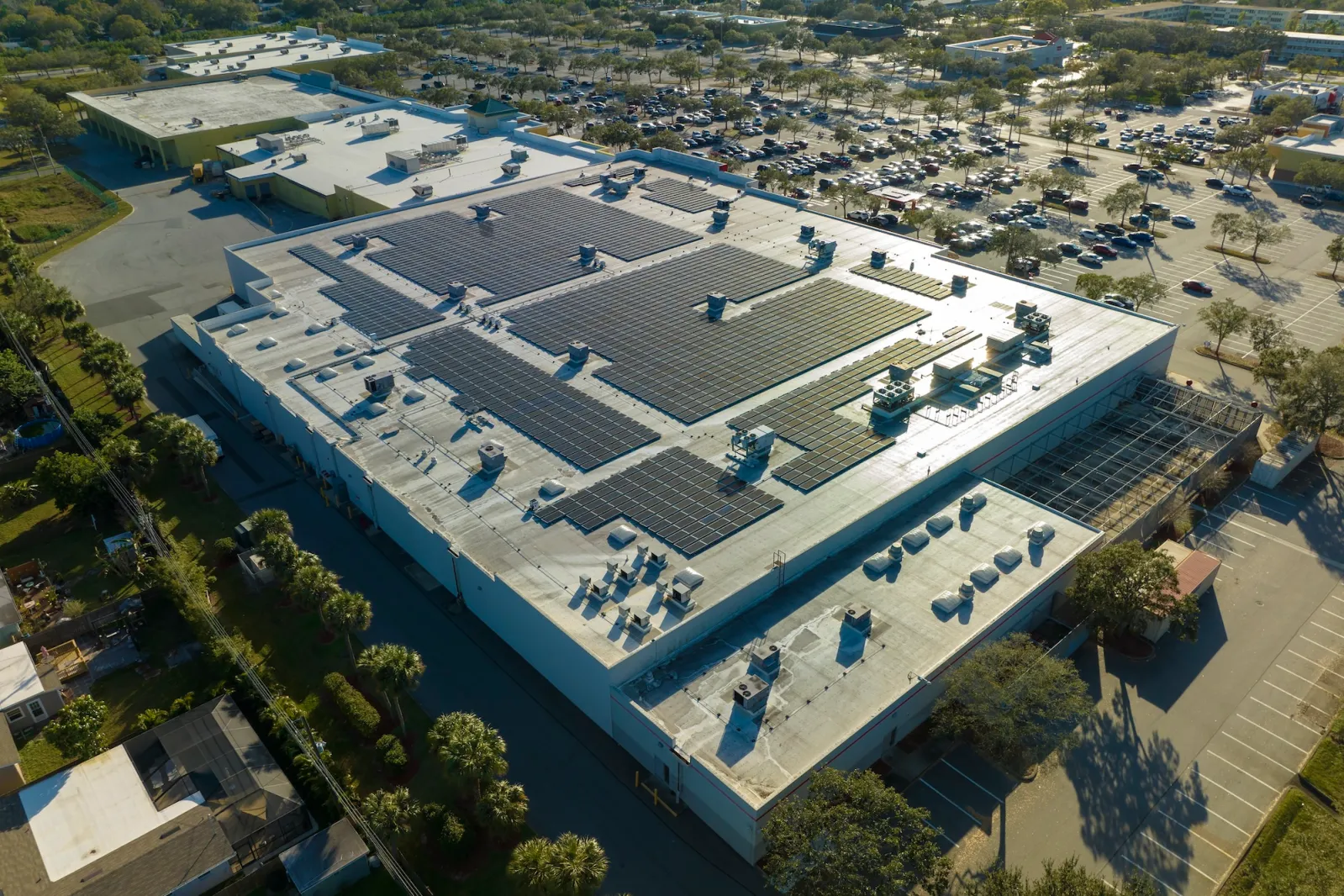
Commercial Real Estate and REITs roof planning centers on approval timing, tenant sensitivity, and the evidence needed to approve the next roof step.
View scope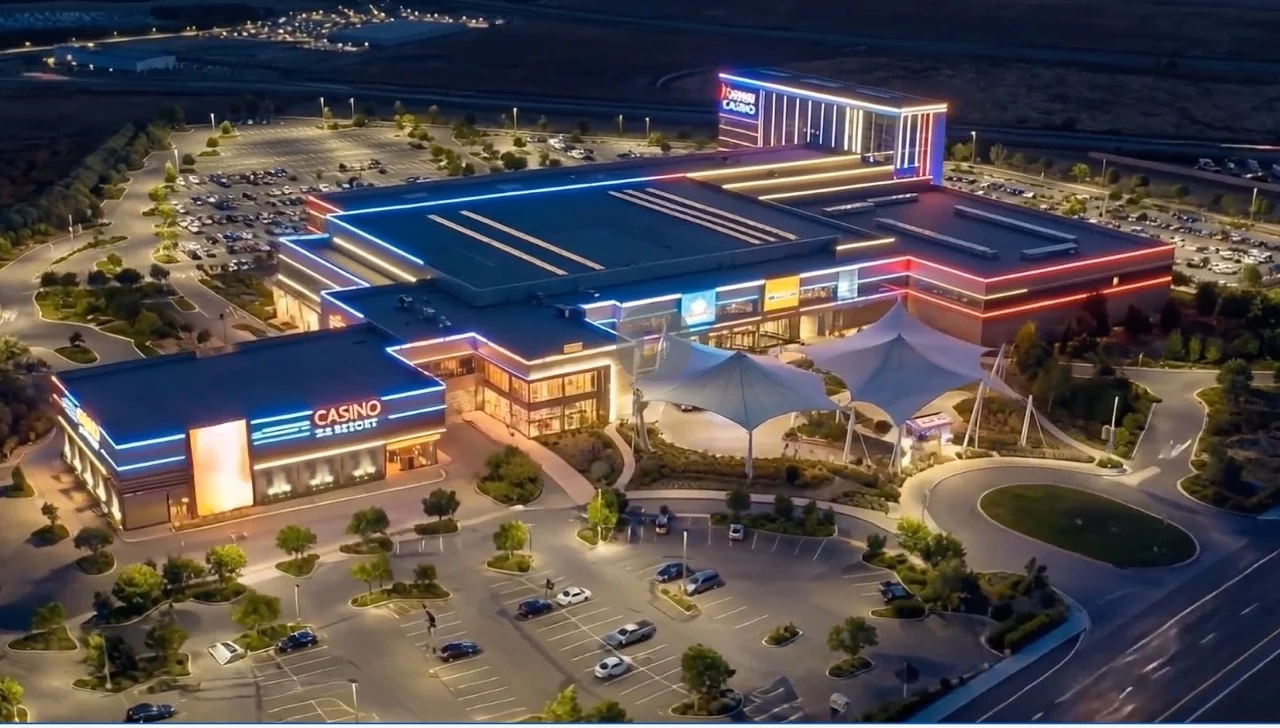
Hospitality Groups roof planning centers on tenant sensitivity, facility access, and the evidence needed to approve the next roof step.
View scopeShare the building address, the roof concern, and any timing pressure. We will help frame the next roof scope.
Contact Commercial Roofers of West Palm Beach